+8618234403483
 yanzhang19990421@gmail.com



Small Scale Gold Leaching Plant: Complete Setup Guide
 Laura
Laura
 Apr 17, 2026
 717
717
If you want to know more details about equipment, solutions, etc, please click the button below for free consultation, or leave your requirements!
 Message
 Chat Now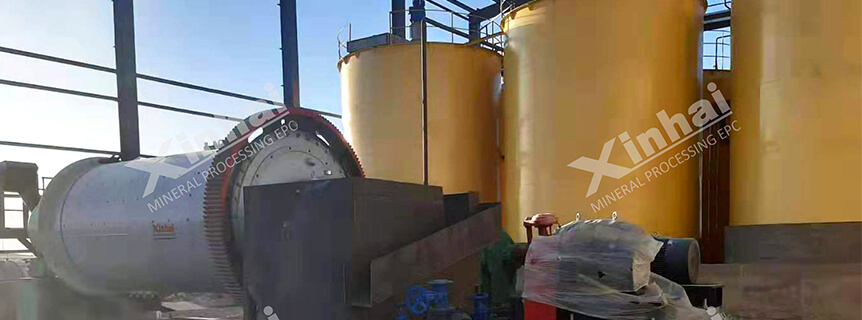
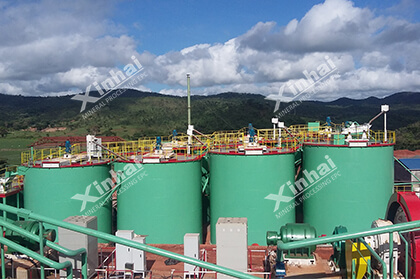
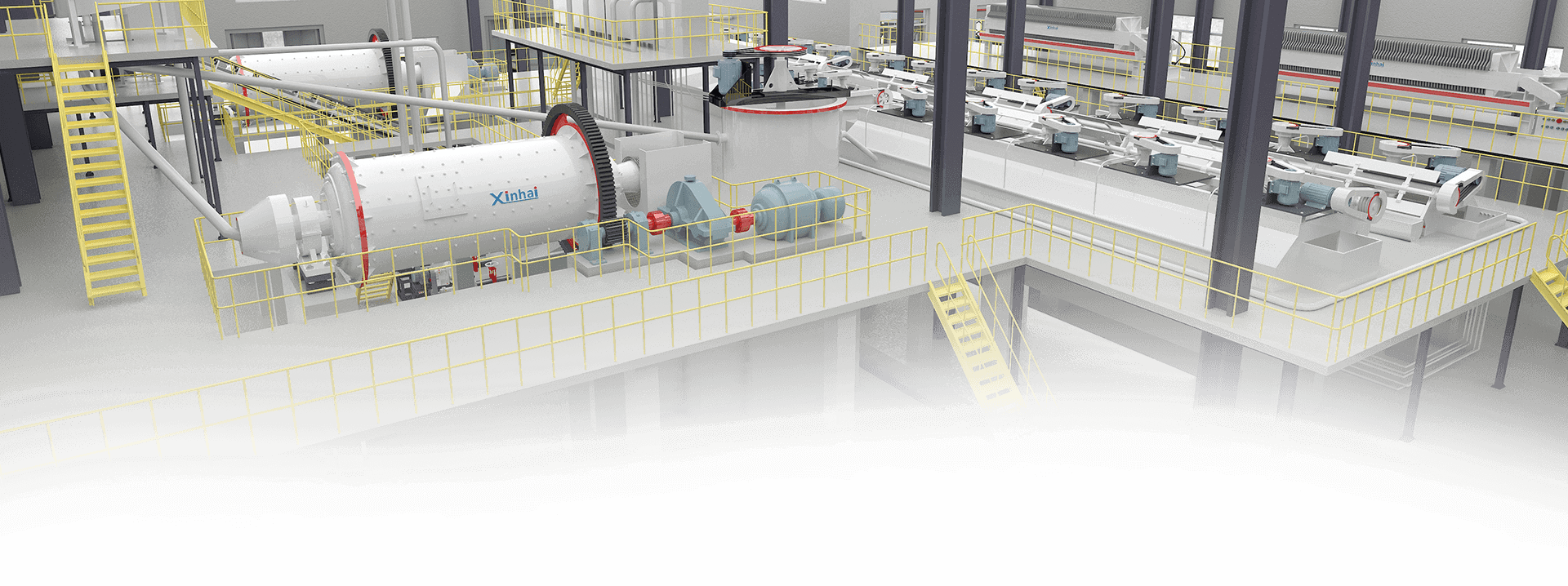
ball mill and leaching tanks in the gold processing plant
A small scale gold leaching plant is a practical solution for extracting gold from ore with limited investment. It is widely used by small mining operations seeking efficiency and flexibility. With proper planning and operation, it can deliver stable recovery and strong economic returns.
01 Gold Leaching Process Explained
BackGold leaching is a chemical process that dissolves gold into a solution, typically using cyanide. This method is highly effective for both high-grade and low-grade ores. It allows operators to recover gold that would otherwise be difficult to extract.
1. Ore Preparation and Size Reduction
The process begins by crushing large rocks into smaller pieces. Grinding then reduces the material into a fine slurry, exposing gold particles. Proper size reduction improves the contact between gold and the leaching solution.
If the particles are too coarse, gold remains trapped and unrecoverable. If too fine, it increases costs and processing difficulty. Achieving the right balance is essential for efficiency.
2. Cyanide Leaching Process
The prepared slurry is mixed with a cyanide solution in leaching tanks. Oxygen is introduced to enhance the chemical reaction that dissolves gold. Continuous agitation ensures even mixing and consistent results.
Maintaining the correct pH level is critical for safety and efficiency. Poor control can lead to chemical loss and lower recovery. Stable conditions help maximize gold extraction.
3. Gold Recovery and Refining
Once dissolved, gold is recovered using activated carbon. The carbon captures gold from the solution, separating it from waste material. This step is widely used for its simplicity and reliability.
The gold is then stripped from the carbon and recovered through electrowinning. Finally, it is smelted into doré bars. These bars can be further refined into pure gold.
02 Essential Equipment for Small Scale Plants
BackEquipment selection directly affects plant performance and durability. Each component must work together to ensure smooth operation. Reliable machinery reduces downtime and improves productivity.
1. Crushing and Grinding Systems
Crushers break down raw ore into manageable sizes. Ball mills then grind the material into fine slurry for processing. Consistent particle size is important for effective leaching.
High-quality equipment ensures stable output and reduces maintenance needs. Poor performance at this stage affects the entire process. Proper selection improves long-term efficiency.
2. Leaching Tanks and Mixing Units
Leaching tanks provide the environment for chemical reactions to occur. Agitators keep the slurry in motion, ensuring uniform distribution of chemicals. This improves gold dissolution.
Insufficient mixing can lead to uneven processing and lower recovery. Proper tank design enhances efficiency. Controlled agitation ensures consistent results.
3. Carbon Adsorption and Recovery Systems
Activated carbon is used to capture dissolved gold from the solution. Systems like CIL combine leaching and adsorption in one stage. This simplifies the process and saves space.
Efficient adsorption improves recovery rates significantly. Proper handling of carbon ensures consistent performance. This stage is critical for maximizing output.
4. Desorption and Smelting Equipment
Desorption systems remove gold from loaded carbon using heat and chemicals. The recovered solution is processed to collect gold onto metal plates. This ensures minimal loss during recovery.
Smelting then converts the collected material into solid gold bars. High temperatures remove impurities and improve quality. Proper control results in better final products.
03 Step-by-Step Plant Setup
BackSetting up a small scale gold leaching plant requires careful planning. Each step must be executed properly to avoid inefficiencies. A structured approach ensures smooth operation.
1. Site Selection and Preparation
The site should have access to water, electricity, and transportation. Adequate space is needed for equipment and waste management. A good location reduces operational challenges.
Environmental factors must also be considered. Proper drainage and tailings storage are essential. Planning ahead prevents future issues.
2. Process Design and Testing
Ore testing determines the best processing method. It helps define chemical usage and operating conditions. Without testing, recovery rates may be unpredictable.
Accurate design improves efficiency and reduces costs. Tailored solutions perform better than generic setups. This step is crucial for long-term success.
3. Equipment Installation and Layout
Equipment should be arranged according to the processing flow. A logical layout minimizes material handling and energy use. This improves overall efficiency.
Proper installation ensures stability and safety. Poor alignment can cause frequent breakdowns. A well-installed plant runs more reliably.
4. Commissioning and Operation
Before full production, the system must be tested. Initial runs help identify issues and allow adjustments. This ensures all components function correctly.
Gradual startup improves process control. Operators can fine-tune parameters for optimal performance. This stage prepares the plant for steady operation.
04 Cost and Investment Considerations
BackUnderstanding costs is essential for building a profitable plant. Both initial and ongoing expenses must be carefully managed. Proper budgeting ensures sustainability.
1. Initial Capital Investment
Startup costs include equipment, construction, and installation. Investing in quality machinery reduces future repair expenses. Lower upfront costs may lead to higher long-term risks.
A balanced investment approach improves reliability. Durable equipment ensures consistent production. This supports long-term profitability.
2. Operating and Maintenance Costs
Daily expenses include chemicals, power, labor, and repairs. Efficient use of resources helps control costs. Regular maintenance prevents unexpected failures.
Reducing waste improves overall efficiency. Monitoring expenses ensures financial stability. Cost control is key to success.
3. Environmental Compliance Costs
Meeting environmental standards may require additional systems. Waste treatment and monitoring are essential for legal operation. These measures protect the surrounding environment.
Failure to comply can result in fines or shutdowns. Responsible practices reduce risks. Compliance supports sustainable mining.
4. Return on Investment
Profitability depends on recovery rate and operating efficiency. Higher recovery leads to better financial returns. Even small improvements can increase revenue.
A well-managed plant can process lower-grade ore profitably. Consistent performance ensures steady income. Strong ROI comes from efficiency and control.
05 Best Practices for Efficient Operation
BackEfficient operation requires continuous monitoring and improvement. Small adjustments can significantly impact results. Consistency is essential for long-term success.
1. Process Optimization
Regular analysis helps identify areas for improvement. Adjusting parameters improves gold recovery. Continuous optimization enhances performance.
Data-driven decisions lead to better outcomes. Monitoring ensures stability. Optimization should be ongoing.
2. Equipment Maintenance
Routine inspections prevent major breakdowns. Replacing worn parts early reduces downtime. Preventive maintenance improves reliability.
Well-maintained machines operate more efficiently. This extends their lifespan. Consistent care lowers costs.
3. Chemical and Safety Management
Proper chemical handling ensures both safety and efficiency. Maintaining correct levels improves leaching performance. Overuse increases costs and risks.
Safety procedures must always be followed. Proper training reduces accidents. A safe workplace supports stable operations.
06 Conclusion
BackA small scale gold leaching plant is an effective solution for efficient gold extraction. With proper design, equipment, and operation, it can achieve high recovery rates. Careful planning ensures smooth performance.
Long-term success depends on optimization, maintenance, and compliance. A well-managed plant delivers consistent results and strong returns. With the right approach, small-scale operations can thrive in the gold industry.


RELATED PRODUCTS
-
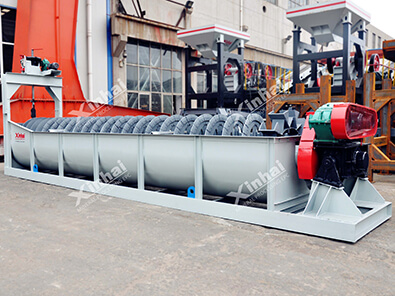
High Dam Spiral Classifier
-
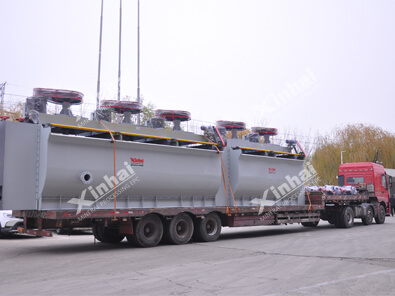
KYF Air Inflation Flotation Cell
-
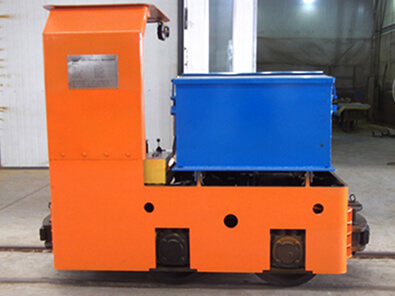
Transportation Equipment