+8618335758886
 laura@xinhaimining.com



Gold Leaching for Low-Grade Ores: Complete Beginner’s Guide
 Laura
Laura
 Nov 25, 2025
 1814
1814
If you want to know more details about equipment, solutions, etc, please click the button below for free consultation, or leave your requirements!
 Message
 Chat Now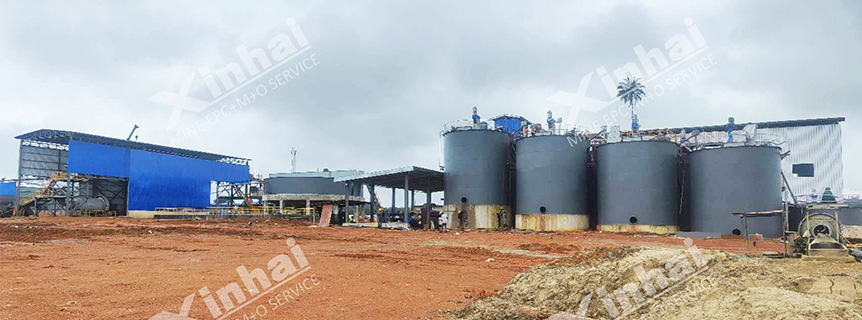
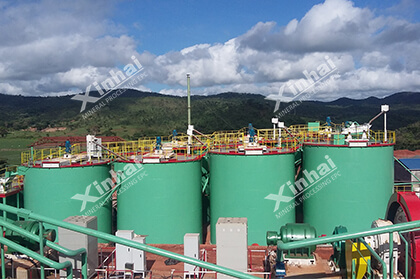
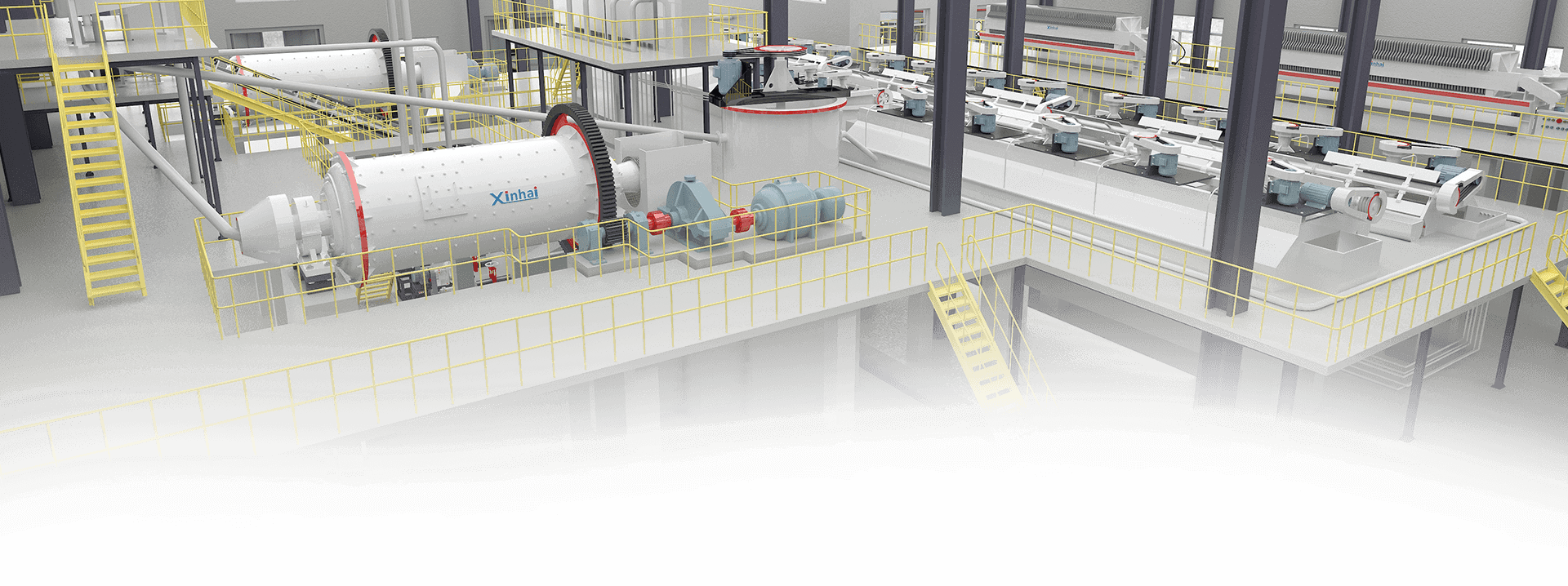
gold extraction plant with 500tpd
Extracting gold from low-grade ores can be a daunting task for beginners. Low-grade ores contain very small amounts of gold, making it essential to use efficient methods to maximize recovery. Gold leaching is one of the most effective ways to recover gold from these ores, even for small-scale operations.
This beginner’s guide will explain what gold leaching is, the best methods for low-grade ores, step-by-step processes, and tips to help beginners get started safely and efficiently.
01 What Are Low-Grade Gold Ores?
BackLow-grade gold ores typically contain less than 1–2 grams of gold per ton of ore. These ores cannot be efficiently processed using simple gravity methods because most of the gold particles are too fine or locked within minerals. Leaching allows you to dissolve gold into a solution for easier extraction, making it ideal for low-grade ores.
02 How Gold Leaching Works
BackGold leaching involves using a chemical solution to dissolve gold from crushed and ground ore. The dissolved gold can then be recovered from the solution using adsorption, precipitation, or electrochemical methods.
Key factors for effective leaching include:
Ore particle size
Type and concentration of leaching chemical
pH and temperature of the solution
Contact time between ore and solution
03 Best Gold Leaching Methods for Low-Grade Ores
Back1. Cyanide Leaching
Cyanidation is the most commonly used method in gold leaching. Cyanide reacts with gold to form a soluble complex that can later be recovered.
Pros:
High recovery rate (up to 95%)
Well-established method with plenty of guidance for beginners
Cons:
Highly toxic and requires careful handling
Needs proper disposal to prevent environmental damage
Tip: Small-scale setups can use low-concentration cyanide with strict safety measures.
2. Thiosulfate Leaching
Thiosulfate is a non-toxic alternative to cyanide, suitable for ores with copper or sulfides that are difficult to process.
Pros:
Safe for operators and the environment
Works on ores resistant to cyanide
Cons:
Slightly lower recovery than cyanide if not optimized
Requires additional reagents like copper salts and ammonia
Tip: Experiment with small batches to determine the right reagent ratios.
3. Gravity-Assisted Leaching
Before chemical leaching, gravity separation can remove coarse gold and reduce the volume of ore needing chemicals. Methods include sluice boxes, shaking tables, and jigs.
Pros:
Reduces chemical consumption and costs
Environmentally friendly and safe for beginners
Cons:
Not effective for very fine gold without subsequent chemical leaching
04 Step-by-Step Beginner's Guide to Gold Leaching
BackOre Preparation: Crush and grind the ore until gold particles are exposed.
Pre-Concentration: Use gravity methods to remove heavy gold particles if possible.
Leaching: Mix the ore with the chemical solution and agitate for the recommended time.
Gold Recovery: Use zinc precipitation, activated carbon adsorption, or electro-winning to recover gold from the solution.
Solution Recycling: Reuse the leaching solution to reduce costs and minimize waste.
05 Safety Tips for Beginners
BackGold leaching involves chemicals that can be hazardous if mishandled. Beginners should always:
Wear personal protective equipment (gloves, goggles, masks)
Work in a well-ventilated area
Follow proper storage and disposal protocols for chemicals
Avoid direct contact with solutions and skin
06 Common Challenges and Solutions
Back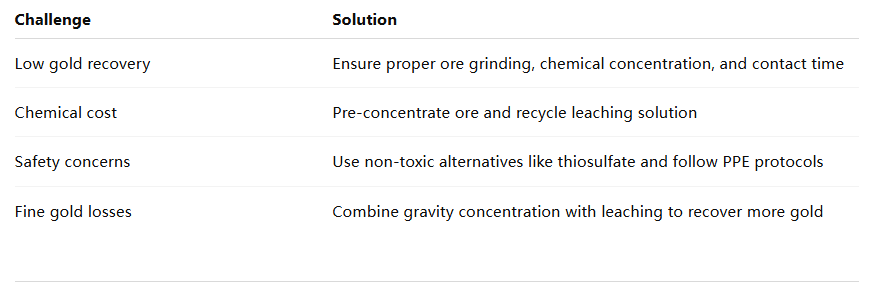
07Conclusion
BackGold leaching is a practical and effective method for recovering gold from low-grade ores, even for beginners. By understanding the basics, choosing the right leaching method, and following safe practices, small-scale miners and hobbyists can efficiently extract gold without excessive costs or environmental damage.
Whether you choose cyanide for maximum recovery, thiosulfate for safety, or gravity-assisted methods to reduce chemical use, this guide provides the foundational knowledge to start leaching low-grade ores successfully.


RELATED PRODUCTS
-
KYF Air Inflation Flotation Cell
-
Underground Loading Equipment
-
Desorption Electrolysis System