+8618335758886
 laura@xinhaimining.com



How to Improve Gold Leaching Recovery?
 Sheena
 Oct 22, 2026
 22
If you want to know more details about equipment, solutions, etc, please click the button below for free consultation, or leave your requirements!
 Message
 Chat Now
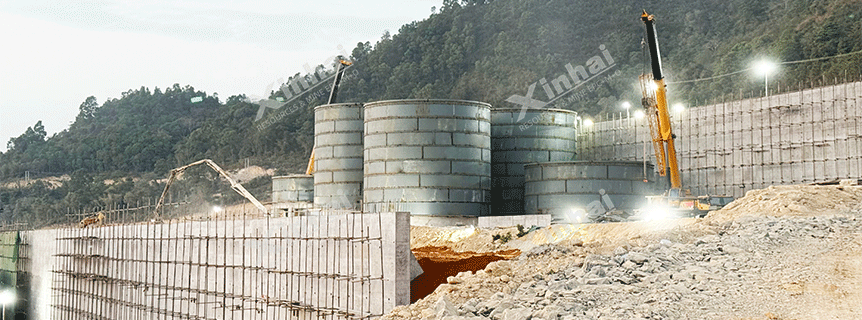
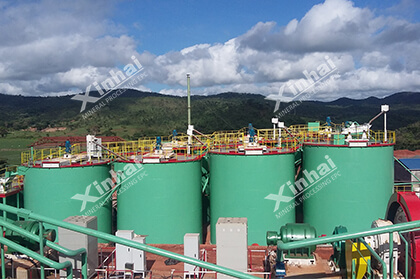
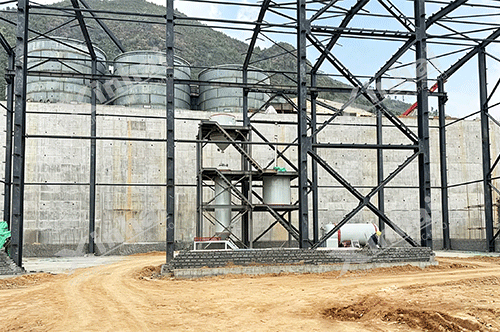
1500tpd-gold-leaching-recovery-plant
Gold leaching recovery is one of the most important indicators of gold processing plant performance. When recovery falls below expectations, the problem may not simply be insufficient leaching time or an unsuitable reagent dosage. Gold may remain locked within minerals, chemical reactions may consume leaching reagents, or dissolved gold may be lost during downstream recovery.
Improving gold leaching recovery therefore requires more than adjusting individual operating parameters. Mineralogical analysis, process monitoring, metallurgical testing, and equipment performance must be evaluated together to identify the actual source of gold losses.
This guide explains the key factors affecting gold leaching recovery, how to diagnose common recovery problems, and which process optimization measures can improve metallurgical performance while controlling operating costs.
01What Determines Gold Leaching Recovery?
BackGold leaching recovery depends on whether gold is accessible to the leaching solution, whether the required chemical reactions can proceed effectively, and whether dissolved gold can be recovered from the process stream.
Before changing operating conditions, it is important to distinguish between gold extraction during leaching and overall gold recovery through the processing plant. Extraction describes the proportion of gold transferred into the leach solution, while overall recovery also accounts for losses during adsorption, solution treatment, and other downstream stages.
02How Does Gold Mineralogy Affect Leaching Recovery?
BackGold mineralogy is often the first factor to investigate when conventional leaching produces unexpectedly low extraction. The physical and mineralogical occurrence of gold determines whether the leaching solution can reach the gold surface and whether additional treatment is required.
2.1 Gold Liberation and Particle Size
Gold particles enclosed within quartz or other minerals may not be fully exposed during leaching. If grinding does not adequately liberate the gold, the leaching solution cannot effectively contact the enclosed particles.
In such cases, evaluating the relationship between particle size, mineral liberation, and gold extraction can help determine whether additional grinding is justified. However, finer grinding does not always produce a proportional increase in recovery, particularly when gold is extremely fine or chemically associated with refractory minerals.
The objective is to identify a practical grind size that provides sufficient gold accessibility without creating unnecessary energy and operating costs.
2.2 Sulfide-Associated and Refractory Gold
Some gold ores contain pyrite, arsenopyrite, or other sulfide minerals that host finely disseminated gold. In these ores, gold may remain inaccessible even after conventional grinding, resulting in low extraction under standard cyanidation conditions.
Mineralogical analysis and diagnostic leaching can help establish whether the remaining gold is associated with sulfides or other difficult-to-process components. Depending on the findings, flotation concentration or an appropriate pretreatment process may need to be evaluated before cyanidation.
Such measures should not be applied automatically. Their technical and economic suitability depends on the ore characteristics, expected improvement in recovery, and additional processing costs.
2.3 Preg-Robbing Caused by Carbonaceous Material
Certain gold ores contain naturally occurring carbonaceous materials that can adsorb dissolved gold from the leach solution. This phenomenon is known as preg-robbing and can reduce the amount of gold available for subsequent recovery.
A key diagnostic question is whether gold is failing to dissolve or is dissolving and subsequently being adsorbed by the ore. These two problems require different corrective measures.
Where preg-robbing is confirmed, the processing team may evaluate suitable pretreatment methods or a flowsheet incorporating activated carbon under controlled process conditions. The appropriate solution depends on the type and activity of the carbonaceous material.
03How Do Leaching Conditions Affect Gold Extraction?
BackOnce mineralogical limitations have been evaluated, the next step is to examine the chemical and operating conditions of the leaching circuit. Even a suitable ore can produce poor results when the process environment does not support effective gold dissolution.
3.1 Reagent Availability and Consumption
In conventional cyanidation, cyanide participates in gold dissolution, while alkaline conditions help maintain a suitable operating environment. However, the amount of reagent added to the circuit is not necessarily the amount consumed by gold dissolution.
Other minerals may react with the reagents, reducing their availability for the intended process. Excessive reagent consumption can therefore indicate that the ore contains reactive components or that the operating conditions require further investigation.
Process optimization should evaluate reagent consumption alongside gold extraction. Increasing reagent addition without identifying the underlying cause may raise operating costs without producing a meaningful improvement in recovery.
3.2 Dissolved Oxygen and Mass Transfer
Oxygen plays an important role in conventional cyanide gold dissolution. Insufficient oxygen availability can restrict the reaction rate, even when other conditions appear suitable.
In agitated leaching tanks, oxygen transfer depends on factors such as slurry properties, mixing performance, and gas-liquid contact. High solids loading or inadequate agitation may create operating conditions that differ significantly from those assumed during laboratory testing.
Monitoring dissolved oxygen and evaluating mixing performance can help determine whether oxygen availability is contributing to poor extraction. Any adjustment should be based on measured process conditions and the characteristics of the specific ore.
3.3 Pulp Density and Slurry Conditions
Pulp density affects reagent demand, slurry handling, mixing, and the volumetric throughput of the leaching circuit. If the slurry becomes too dense for the available equipment, mixing and mass transfer may deteriorate.
Conversely, excessive dilution increases the volume of slurry that must be processed and may affect downstream pumping and recovery operations. The suitable operating range should be established through metallurgical testing and plant performance data rather than a universal target.
3.4 Leaching Time and Kinetics
Gold dissolution does not necessarily proceed at a constant rate throughout the leaching cycle. Extraction may increase rapidly during the initial stage and then slow as the remaining gold becomes more difficult to access or dissolve.
Extending residence time can improve extraction when the reaction is still progressing meaningfully. However, additional time may provide little benefit if recovery has already approached a plateau or if the principal limitation is mineralogical.
Leaching kinetics tests can help identify the point at which additional residence time produces diminishing returns. This information is valuable when evaluating tank capacity, throughput, and the economics of operating the leaching circuit.
04How to Diagnose Low Gold Leaching Recovery
BackLow gold recovery should be investigated systematically rather than addressed through repeated adjustments to operating parameters. A structured diagnosis helps distinguish between limitations in gold dissolution, downstream recovery losses, and problems with sampling or measurement. The following approach can guide an initial investigation.
Step 1: Verify the Gold Balance
Before changing the process, confirm that the reported recovery reflects reliable sampling and analytical results. Compare the gold content of the feed, leached solids, process solutions, and relevant downstream products where appropriate.
An incomplete or inconsistent gold balance may indicate sampling errors, analytical uncertainty, unaccounted solution losses, or an incorrect estimate of recovery. Process changes based on unreliable data may address the wrong problem.
Step 2: Identify Where Gold Is Being Lost
Determine whether gold remains undissolved in the leached solids or has dissolved but failed to reach the final recovered product.
If significant gold remains in the solids, mineralogy, liberation, leaching chemistry, and residence time require investigation. If leaching extraction is satisfactory but overall plant recovery is low, attention should shift to downstream operations such as carbon adsorption, solution handling, and solid-liquid separation.
This distinction prevents the processing team from attempting to solve an adsorption or separation problem by increasing the intensity of leaching.
Step 3: Review Operating Data and Ore Variability
Compare recovery performance with changes in ore type, head grade, grind size, reagent consumption, dissolved oxygen, pulp density, and residence time. A decline that coincides with a change in ore characteristics may indicate a mineralogical or feed-related problem rather than an equipment failure.
Historical operating data can also reveal whether the problem is persistent or associated with particular operating periods. Where several variables have changed simultaneously, controlled testing is preferable to assuming a single cause.
Step 4: Confirm the Cause Through Testing
Once the likely causes have been identified, targeted laboratory tests can evaluate the potential benefit of corrective measures. Depending on the problem, these may include grind-size comparisons, leaching kinetics tests, reagent-consumption studies, diagnostic leaching, or tests of downstream gold recovery.
The results should be compared using consistent feed samples and clearly defined performance indicators. This allows the team to assess whether a proposed adjustment improves recovery sufficiently to justify its additional cost.
05Gold Leaching Recovery Optimization Methods
BackAfter identifying the principal cause of gold losses, the processing team can select an appropriate optimization strategy. The most effective solution depends on the ore characteristics and the stage of the process where the loss occurs.
5.1 Optimize Grinding and Classification
When insufficient liberation limits gold extraction, adjusting the grinding and classification circuit may improve leaching performance. The objective is to produce a suitable particle size distribution while avoiding unnecessary overgrinding.
A comparison of extraction, energy consumption, and downstream slurry behavior can help determine whether a finer grind is economically justified. If gold remains locked within refractory minerals even after additional grinding, a different processing approach may be more appropriate.
5.2 Improve Leaching Circuit Performance
If the ore is sufficiently liberated but extraction remains low, the operating performance of the leaching circuit should be evaluated. Relevant considerations include mixing effectiveness, oxygen transfer, slurry density, reagent availability, and residence time.
The corrective measure should match the identified limitation. For example, additional residence time is unlikely to resolve a problem caused primarily by preg-robbing, while increasing reagent addition may not solve inadequate oxygen transfer.
5.3 Address Preg-Robbing and Refractory Characteristics
Where mineralogical and metallurgical testing confirms that carbonaceous material or refractory sulfides limit recovery, the processing team may need to evaluate a different flowsheet.
Possible approaches include suitable pretreatment, concentration of gold-bearing sulfides, or other processes selected for the ore's characteristics. These alternatives may improve extraction, but they can also increase capital investment, energy demand, reagent consumption, and process complexity.
The preferred option should be supported by comparative test work and an economic assessment rather than by recovery improvement alone.
5.4 Improve Downstream Gold Recovery
When gold dissolves successfully but is not efficiently recovered, optimization should focus on the downstream circuit. In CIL and CIP plants, this may involve evaluating activated-carbon performance, adsorption conditions, carbon handling, screening, and potential losses of gold-bearing carbon or solution.
Other recovery configurations have different operating requirements. The investigation should therefore follow the actual plant flowsheet and determine where dissolved gold is leaving the intended recovery circuit.
5.5 Establish Consistent Process Monitoring
Recovery optimization should continue after an initial improvement has been achieved. Routine monitoring of feed characteristics, gold extraction, reagent consumption, solution conditions, and downstream recovery can help identify performance deterioration before it becomes a major production issue.
Comparing results across different ore types is particularly important for deposits with variable mineralogy. A process that performs well on one ore domain may require different operating conditions or additional treatment when the feed changes.
06How to Balance Gold Recovery and Operating Costs
BackHigher gold recovery is valuable only when the additional recovered gold justifies the cost and operational consequences of achieving it. The objective is to maximize economic performance, not necessarily to achieve the highest laboratory extraction under every possible condition.
6.1 Evaluate the Incremental Cost of Recovery
Suppose an operating change improves gold extraction but also increases grinding energy, reagent consumption, or equipment requirements. The economic assessment should compare the additional gold recovered with the additional cost incurred.
The relevant comparison is the incremental value of recovered gold against incremental operating and capital costs, using consistent assumptions for feed grade, throughput, gold price, and downstream recovery.
This approach helps determine whether an optimization measure should be adopted, tested further, or rejected.
6.2 Consider Throughput and Residence Time
Increasing leaching residence time may improve extraction, but it can also require additional tank capacity or constrain plant throughput. In some cases, a small improvement in extraction may not compensate for the reduction in tonnes processed.
The evaluation should therefore consider gold production per unit of time, not only the percentage of gold extracted from each tonne of ore.
6.3 Include Reagent, Energy, Water, and Tailings Costs
A complete comparison should include the costs associated with grinding, leaching reagents, water supply, pumping, downstream recovery, and tailings management. Changes to one part of the circuit may also affect other stages.
For example, finer grinding may improve liberation while increasing energy demand and changing solid-liquid separation behavior. A process modification should be evaluated against its overall effect on plant performance and operating cost.
6.4 Validate Improvements Before Full-Scale Implementation
Promising laboratory results should be confirmed against actual plant conditions. Depending on the scale and complexity of the proposed change, validation may involve additional laboratory testing, pilot-scale work, or a controlled plant trial.
The final decision should consider the repeatability of the results, ore variability, implementation risks, and the expected economic benefit.
07Conclusion
BackImproving gold leaching recovery requires identifying the actual source of gold losses, matching corrective measures to the ore's mineralogy and process conditions, and evaluating every proposed improvement against its effect on overall plant recovery, throughput, and operating costs.


RELATED PRODUCTS
-
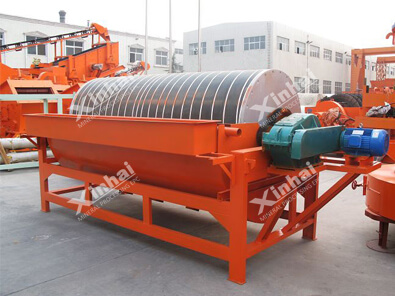
Magnetic Separator
-
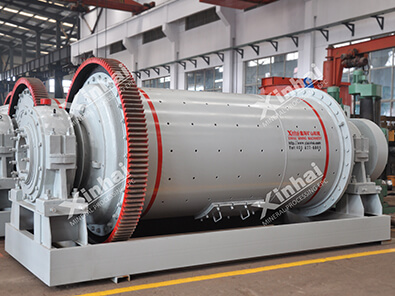
Energy Saving Ball Mill
-
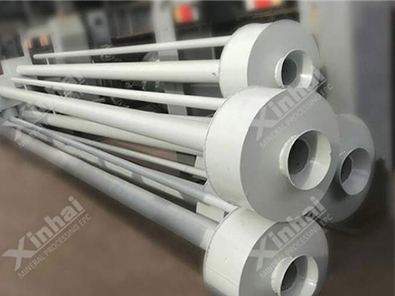
Air Lifter