+8618234403483
 yanzhang19990421@gmail.com



Small Scale Gold Leaching Plant Maintenance Tips
 Laura
Laura
 Apr 20, 2026
 547
547
If you want to know more details about equipment, solutions, etc, please click the button below for free consultation, or leave your requirements!
 Message
 Chat Now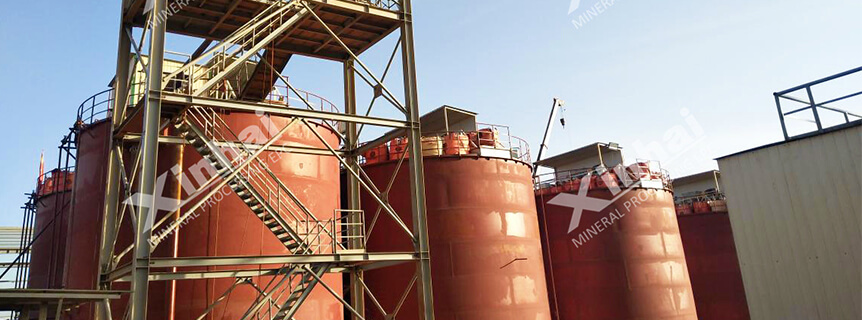
desorption electrolysis system for gold
Maintaining a small scale gold leaching plant is essential for ensuring consistent performance and long-term profitability. Without proper maintenance, even well-designed systems can suffer from reduced efficiency and unexpected breakdowns. A structured approach helps extend equipment life and maintain high gold recovery rates.
01 Routine Equipment Maintenance
BackRegular maintenance keeps the plant running smoothly and prevents costly downtime. Each piece of equipment must be inspected and serviced according to its operating conditions. Consistent care ensures stable performance and reduces the risk of sudden failures.
1. Crushing and Grinding Equipment Care
Crushers and ball mills experience constant wear due to abrasive ore. Liners, jaws, and grinding media should be checked frequently for damage. Timely replacement prevents efficiency loss and protects internal components.
Lubrication is also critical for smooth operation. Bearings and moving parts must be properly maintained to avoid overheating. Neglecting lubrication can lead to severe mechanical failure.
2. Pumps and Piping System Inspection
Pumps are responsible for moving slurry between different stages. Blockages, leaks, or worn impellers can disrupt the entire process. Regular inspection ensures steady flow and prevents interruptions.
Pipelines should be checked for corrosion and buildup. Accumulated material can restrict flow and reduce efficiency. Cleaning and maintenance keep the system operating at full capacity.
3. Agitators and Tank Maintenance
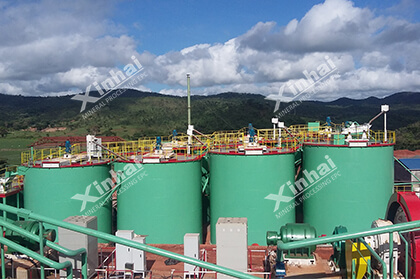
Agitators ensure proper mixing in leaching tanks. Worn blades or faulty motors can reduce mixing efficiency. Regular checks help maintain consistent gold dissolution.
Tank surfaces should also be inspected for corrosion or scaling. Structural issues can lead to leaks or contamination. Proper maintenance extends the lifespan of the tanks.
02 Process and Chemical Management
BackEfficient process control is just as important as mechanical maintenance. Proper handling of chemicals and monitoring of process conditions ensures optimal gold recovery. Small adjustments can significantly impact overall performance.
1. Monitoring Cyanide Levels and pH
Cyanide concentration must be maintained within an optimal range. Too little reduces gold dissolution, while too much increases costs and safety risks. Regular testing helps maintain balance.
pH levels should be controlled to prevent cyanide loss. Stable conditions improve efficiency and reduce chemical waste. Proper monitoring ensures consistent results.
2. Activated Carbon Management
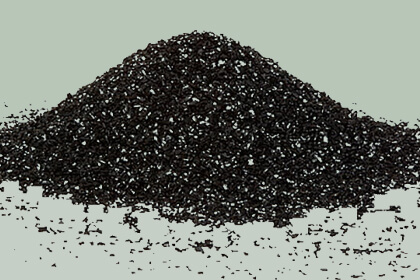
Activated carbon plays a key role in gold recovery. Over time, its adsorption capacity decreases due to fouling. Regular screening and replacement maintain efficiency.
Proper handling prevents carbon loss during operation. Fine particles should be recovered and reused when possible. Good management improves overall recovery rates.
3. Process Monitoring and Optimization
Operators should regularly analyze process data to identify inefficiencies. Parameters such as flow rate, retention time, and oxygen levels must be adjusted as needed. Continuous monitoring improves plant performance.
Small changes can lead to significant improvements in recovery. Data-driven decisions help optimize operations. Consistency is key to achieving stable output.
03 Preventive Maintenance and Safety Practices
BackPreventive maintenance focuses on avoiding problems before they occur. A proactive approach reduces downtime and ensures safe operation. Safety and maintenance should always go hand in hand.
1. Scheduled Maintenance Planning
A maintenance schedule ensures all equipment is serviced on time. Routine inspections help detect early signs of wear or damage. This prevents minor issues from becoming major problems.
Proper documentation helps track equipment condition over time. Maintenance records support better decision-making. Planning improves overall efficiency.
2. Spare Parts and Downtime Management
Keeping essential spare parts on hand reduces repair time. Critical components should be readily available for quick replacement. This minimizes production losses during breakdowns.
Planning for downtime ensures repairs are completed efficiently. Coordinated efforts reduce operational disruptions. Preparedness improves reliability.
3. Worker Safety and Environmental Protection
Handling chemicals like cyanide requires strict safety measures. Workers must use protective equipment and follow proper procedures. Training reduces the risk of accidents.
Environmental protection is equally important. Waste and tailings must be managed responsibly. Safe practices ensure compliance and sustainable operation.
04 Conclusion
BackProper maintenance is vital for the success of a small scale gold leaching plant. Regular equipment care, effective process control, and strong safety practices all contribute to stable performance. A well-maintained plant operates more efficiently and with fewer interruptions.
By adopting preventive maintenance strategies and continuous monitoring, operators can extend equipment life and improve gold recovery. Consistent attention to detail ensures long-term productivity and profitability.


RELATED PRODUCTS
-
BF Flotation Cell
-
Zinc Powder Displacement Device
-
Leaching Agitation Tank