+8618234403483
 yanzhang19990421@gmail.com



What Chemicals Are Used in Gold Leaching Processes?
 Laura
Laura
 Apr 22, 2026
 1779
1779
If you want to know more details about equipment, solutions, etc, please click the button below for free consultation, or leave your requirements!
 Message
 Chat Now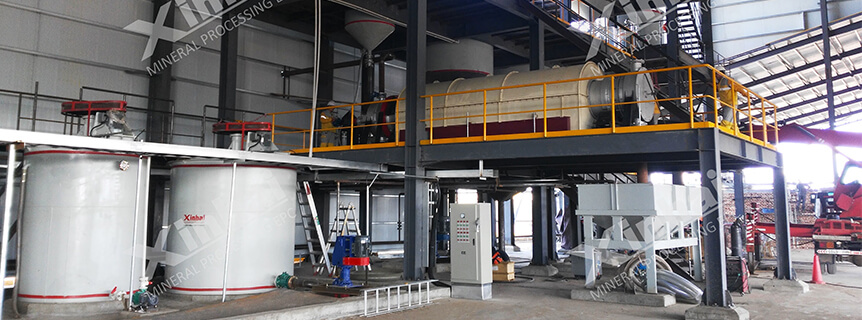
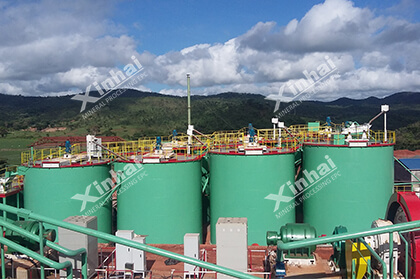
machines for gold leaching
Gold leaching relies on chemical reactions to dissolve and recover gold from ore. The choice of chemicals directly affects efficiency, cost, and environmental impact. Understanding these chemicals helps operators optimize recovery and maintain safe operations.
01 Primary Chemicals Used in Gold Leaching
BackGold leaching depends on specific chemicals that enable the dissolution of gold into a solution. These reagents are carefully selected to maximize recovery while maintaining process stability. Each plays a distinct role in the extraction process.
1. Cyanide as the Main Leaching Agent
Cyanide is the most widely used chemical in gold leaching. It reacts with gold in the presence of oxygen to form a soluble complex. This allows gold to be separated from the surrounding ore.
Its effectiveness makes it suitable for both high-grade and low-grade ores. However, strict handling procedures are required due to its toxicity. Proper control ensures both efficiency and safety.
(CNLITE eco-friendly gold leaching reagent can 100% take place of sodium cyanide for gold processing and refining, including gold CIP, CIL, heap leaching, pool leaching and other cyanide process. Different with cyanide, it is low-toxicity, environmental-friendly and without changing the original cyanide equipment and process.)
2. Oxygen and Its Role in Dissolution
Oxygen is essential for the cyanide leaching reaction to occur. It supports the chemical process that dissolves gold into the solution. Without sufficient oxygen, recovery rates can drop significantly.
Air or pure oxygen is often introduced into leaching tanks. Adequate aeration improves reaction speed and efficiency. Maintaining proper oxygen levels is critical for consistent performance.
3. Lime for pH Control
Lime is added to maintain an alkaline environment during leaching. A stable pH prevents the breakdown of cyanide and reduces the formation of harmful gases. This improves both safety and efficiency.
Proper pH control also enhances gold dissolution. Too low a pH can lead to chemical losses and reduced recovery. Lime helps stabilize the process throughout operation.
02 Chemicals Used in Gold Recovery and Adsorption
BackAfter gold is dissolved, additional chemicals are used to recover it from the solution. These substances help capture and concentrate gold for final processing. Efficient recovery depends on proper chemical management.
1. Activated Carbon for Adsorption
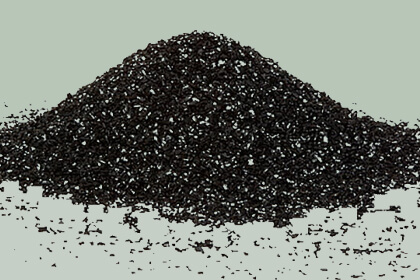
Activated carbon is used to capture dissolved gold from the leaching solution. Its porous structure allows it to absorb gold particles effectively. This method is widely used in modern gold processing.
Over time, carbon becomes saturated and must be regenerated or replaced. Proper handling prevents loss and maintains efficiency. Good carbon management improves recovery rates.
2. Desorption Chemicals
Chemicals such as sodium hydroxide and cyanide are used in the desorption process. They help strip gold from loaded carbon under high temperature conditions. This allows gold to be recovered for further processing.
Controlled conditions are necessary to ensure effective stripping. Poor management can result in incomplete recovery. Proper use of these chemicals ensures maximum output.
3. Electrowinning Reagents
During electrowinning, certain chemicals improve conductivity and efficiency. These reagents support the deposition of gold onto cathodes. This step converts dissolved gold into a solid form.
Maintaining the correct chemical balance is important. It ensures smooth operation and high recovery. Consistency in this stage improves overall plant performance.
03 Alternative and Eco-Friendly Leaching Chemicals
BackDue to environmental concerns, alternative chemicals are being explored for gold leaching. These options aim to reduce toxicity while maintaining efficiency. Some methods are already used in specific applications.
1. Thiosulfate Leaching
Thiosulfate is an alternative to cyanide for certain types of ore. It is less toxic and suitable for ores that are difficult to process with cyanide. This makes it an attractive option in regulated environments.
However, the process is more complex and requires careful control. Chemical consumption can also be higher. Despite this, it offers a safer alternative in some cases.
2. Chlorine and Halide Systems
Chlorine-based leaching uses halide solutions to dissolve gold. These systems can be effective under controlled conditions. They are sometimes used in specialized processing plants.
Handling chlorine requires strict safety measures. The process can also be more expensive than cyanide leaching. Its use depends on specific operational needs.
3. Emerging Green Reagents
New eco-friendly reagents are being developed to replace traditional chemicals. These include biodegradable and less toxic compounds. They aim to reduce environmental impact while maintaining efficiency.
Many of these technologies are still in development. Some are already being tested in pilot projects. Future advancements may make gold leaching safer and more sustainable.
(CNLITE eco-friendly gold leaching reagent can 100% take place of sodium cyanide for gold processing and refining, including gold CIP, CIL, heap leaching, pool leaching and other cyanide process. Different with cyanide, it is low-toxicity, environmental-friendly and without changing the original cyanide equipment and process.)
04 Conclusion
BackChemicals play a vital role in gold leaching processes, from dissolution to final recovery. Each reagent must be carefully managed to ensure efficiency and safety. Proper understanding of these chemicals improves overall performance.
As the industry evolves, alternative and environmentally friendly options are gaining attention. Balancing efficiency with sustainability is becoming increasingly important. With the right approach, gold leaching can remain both effective and responsible.


RELATED PRODUCTS
-
Auto Centering Vibrating Screen
-
Jaw Crusher
-
Transportation Equipment