+8618335758886
 laura@xinhaimining.com



Key Techniques and Methods for Enhancing Lead Zinc Flotation Efficiency
 zeki
 Oct 31, 2026
 6
If you want to know more details about equipment, solutions, etc, please click the button below for free consultation, or leave your requirements!
 Message
 Chat Now
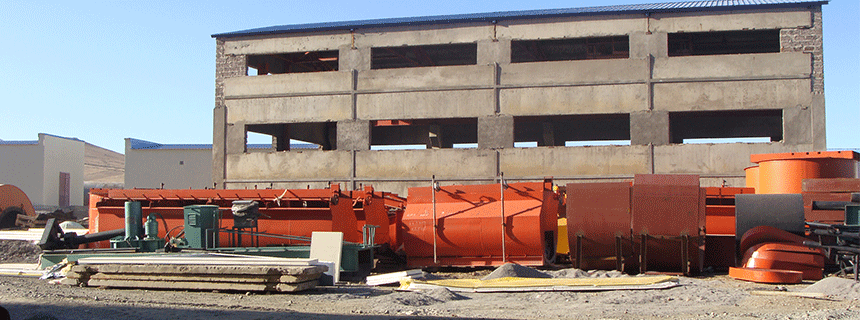
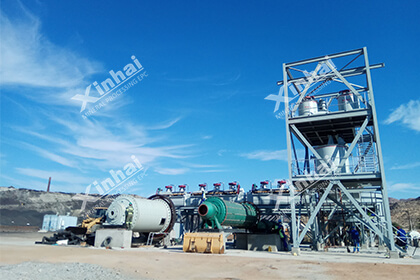
1500-tpd-copper-lead-zinc-project-in-Armenia
Lead‑zinc flotation occupies a core position in lead‑zinc ore beneficiation. Its separation performance directly determines concentrate grade and metal recovery, and further shapes the economic returns of mineral processing plants. This article systematically sorts out key technologies and practical methods to improve lead‑zinc flotation efficiency, providing references for on‑site debugging and process upgrading of mining enterprises
01Overview of Lead‑Zinc Flotation Process
BackLead‑zinc flotation realizes separation of valuable minerals and gangue by utilizing differences in surface physicochemical properties of target minerals. The main valuable minerals are galena and sphalerite, commonly associated with pyrite, quartz, calcite and other gangue components. According to ore texture, oxidation degree and symbiotic relationship, mineral processing plants adopt single or combined flotation routes to separate lead‑zinc minerals from gangue, and realize mutual separation between galena, sphalerite and accompanying sulfide impurities, so as to obtain qualified lead concentrate and zinc concentrate for smelting production。
02Simple Sulfide Lead‑Zinc Flotation Process
BackSimple sulfide lead‑zinc ore has relatively uncomplicated mineral composition. Galena and sphalerite are the dominant useful minerals, with low oxidation ratio and few interfering associated elements. The floatability gap between target minerals and gangue is obvious. Two typical flow‑sheets are widely applied in industrial practice.
1.Single‑stage Grinding‑Differential Flotation Flow‑sheet
This process is suitable for ores where galena and sphalerite are coarse‑grained and evenly disseminated, with loose intergrowth between metal minerals and gangue. Ore is ground to −200 mesh accounting for 60%‑72%, so that most lead‑zinc particles achieve monomer liberation. The operation follows “float lead first then float zinc”: after lead roughing‑scavenging and 2‑3 stages of cleaning, lead concentrate is produced; lead flotation tailings are added with activator to activate sphalerite, then go through roughing, scavenging and cleaning to obtain zinc concentrate. This process has short flow, easy operation and low production cost, and fits medium‑small scale concentrators processing easy‑to‑separate lead‑zinc ore。
2.Single‑stage Grinding‑Flotation‑Rougher Concentrate Regrinding Flow‑sheet
It is mainly applied to porphyry‑type simple sulfide lead‑zinc ore with fine intergrowth and low raw ore grade. After one‑stage grinding to −200 mesh 65%‑75%, roughing and scavenging remove large quantity of final tailings. Lead‑zinc rough concentrates containing intergrowth particles enter regrinding circuit to further dissociate locked grains. After regrinding, 2‑3 times cleaning is carried out to acquire high‑quality lead and zinc concentrates. For mines with large daily throughput and low‑grade feed ore, this flow‑sheet can effectively cut tailing‑discharging volume of re‑grinding section and bring stable economic benefits。
03Polymetallic Sulfide Lead‑Zinc Flotation Process
BackPolymetallic sulfide lead‑zinc ore contains galena, sphalerite, and is symbiotically associated with pyrite, chalcopyrite, arsenopyrite and other sulfide minerals. Complex intergrowth and frequent mutual activation among minerals bring great difficulty to separation. Two mainstream process routes are adopted in field production。
1.Sequential Preferential Flotation Flow‑sheet
Sequential preferential flotation suits complex high‑sulfur polymetallic lead‑zinc ore with varied floatability of target minerals. Relying on difference in natural floatability, galena with better floatability is recovered by lead roughing firstly. Then inhibitors are added to suppress floating‑prone impurity minerals. The tailings are further activated for zinc flotation. Difficult‑to‑float middlings are sent to re‑grinding and re‑selection circuit. Combined recovery of lead‑zinc concentrates balances concentrate grade and metal recovery rate. This process has clear product partition and is convenient for production adjustment, which is the most widely‑used route for complex lead‑zinc resources。
2.Iso‑floatability Flotation Flow‑sheet
According to flotation rate difference of each mineral, minerals with fast‑floating property and slow‑floating property are separately collected in different flotation circuits. It weakens adverse influence of residual flotation reagents on subsequent separation and reduces total reagent consumption. However, the whole technological flow becomes longer, more grinding and flotation equipment are required, and the technical threshold for site operation is relatively high. It is mostly used for large‑scale concentrators dealing with finely intergrown multi‑metal lead‑zinc ore
04Oxidized‑Sulfide Mixed Lead‑Zinc Flotation Process
BackOxidized‑sulfide mixed lead‑zinc ore contains both sulfide minerals (galena, sphalerite) and oxidized minerals such as cerussite and smithsonite. Sulfidization flotation is the primary technical solution, divided into conventional sulfidization flotation and enhanced sulfidization flotation.
Conventional sulfidization flotation adds sodium sulfide as sulfidizing agent, which forms artificial sulfide film on the surface of lead‑zinc oxidized minerals, and then uses collectors to realize flotation recovery. For ores with high oxidation ratio and serious argillization, hydrothermal enhanced sulfidization technology can be selected. Under controlled temperature and pulp environment, sulfidizing reaction efficiency is improved, the problem of unstable sulfidizing effect caused by slime interference is relieved, so as to raise overall flotation efficiency of oxidized‑sulfide mixed ore。
05Auxiliary Measures for Improving Flotation Performance
Back1.Reasonable Control of Grinding Fineness
Grinding fineness is the prerequisite guarantee for good flotation indexes. Proper grinding degree can realize sufficient monomer dissociation of lead‑zinc minerals from gangue. Under‑grinding leaves lots of intergrowth particles, resulting in metal loss into tailings; over‑grinding triggers mineral sliming, fine slime coats mineral surface and disturbs selective flotation. For simple sulfide lead‑zinc ore, general grinding target is −200 mesh accounting for 60%‑75%; for finely disseminated ore, re‑grinding of rough concentrate or middling is necessary to reach ideal dissociation status。
2.Optimization of Reagent Selection and Dosage System
The selection, adding‑point and dosage of flotation reagents exert decisive influence on separation effect. In lead flotation stage, selective collectors together with zinc‑sulfur inhibitors are used to restrain sphalerite and pyrite from floating. In zinc flotation stage, activator is supplemented to restore floatability of depressed sphalerite, matched with corresponding frother and collector. Besides dosage control, adding sequence and pulp pH value should be strictly managed. Improper reagent addition will cause mutual interference between agents, reduce separation selectivity and increase mutual impurity content in lead‑zinc concentrates。
3.Upgrading and Maintenance of Flotation Equipment
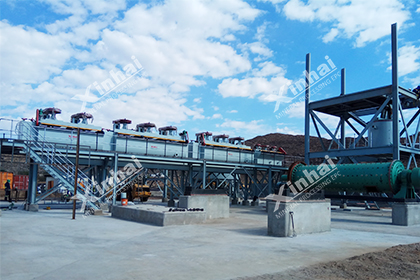
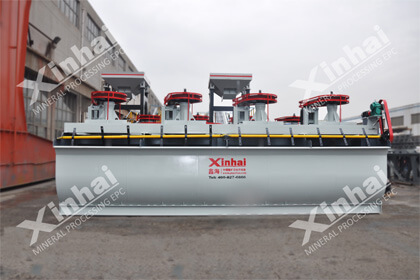
Equipment performance directly affects flotation efficiency. Selecting high‑efficiency, energy‑saving flotation machines, matching reasonable aeration volume and pulp level control, and carrying out routine inspection and maintenance can stabilize flotation working condition. Timely replacement of worn impeller‑stator components avoids insufficient mineralization caused by poor air dispersion, reduces ore‑dressing power consumption, and keeps long‑term stable running of the whole flotation circuit
06Conclusion
BackImproving lead‑zinc flotation efficiency is the core challenge of lead‑zinc ore beneficiation. Based on detailed ore property research, reasonably selecting flotation technological flow, accurately controlling grinding fineness, optimizing reagent system, and maintaining flotation equipment performance can comprehensively lift lead‑zinc concentrate grade and metal recovery, and create tangible economic benefits for mineral processing enterprises.


RELATED PRODUCTS
-
Round Vibrating Screen
-
Centrifugal Separator
-
Jig