+8618234403483
 yanzhang19990421@gmail.com



Small Scale Gold Leaching Plant Process Steps
 Laura
Laura
 May 30, 2026
 256
256
If you want to know more details about equipment, solutions, etc, please click the button below for free consultation, or leave your requirements!
 Message
 Chat Now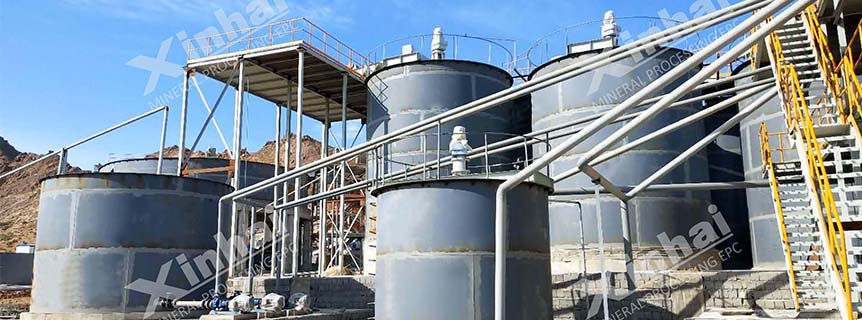
Gold leaching plant
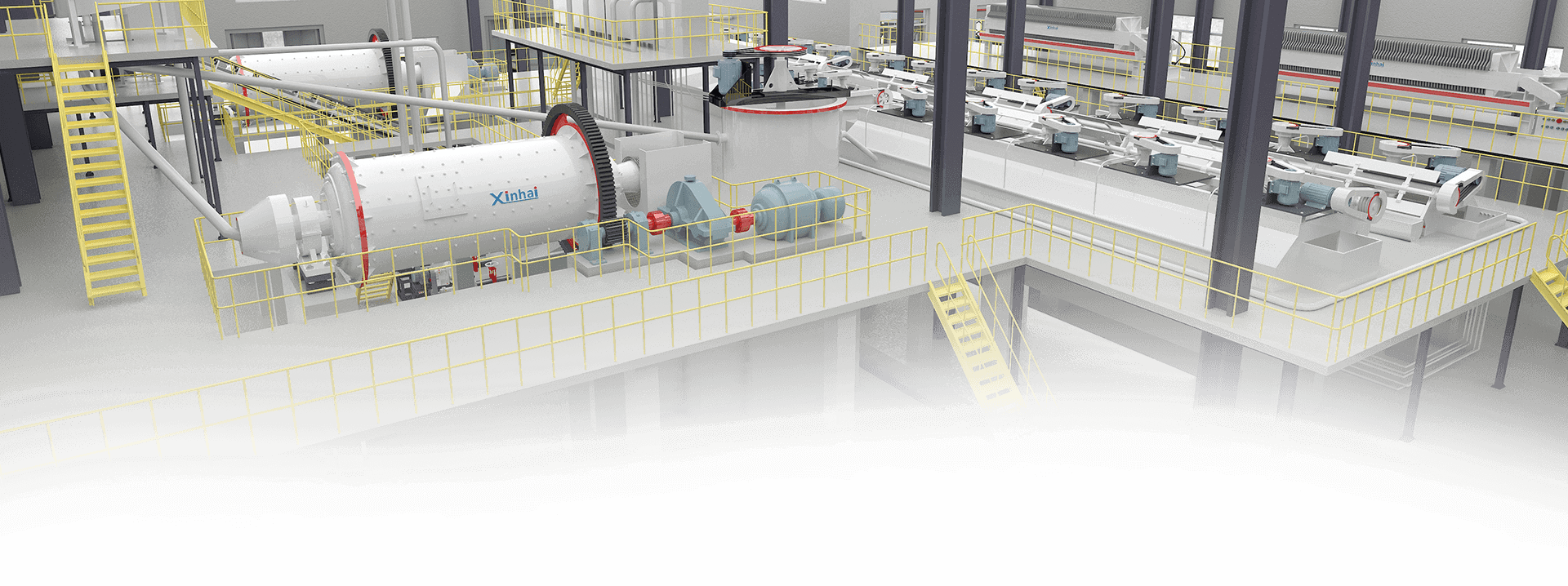
Small scale gold leaching plants are widely used in the mining industry for extracting gold from low-grade and medium-grade ores. These plants combine crushing, grinding, cyanide leaching, carbon adsorption, and gold recovery technologies to achieve efficient gold extraction. A well-designed process flow can improve recovery rates, reduce operating costs, and increase overall plant productivity.
01 Ore Preparation Process in Small Scale Gold Leaching Plants
Back1. Crushing and Screening Process
The first process step in a small scale gold leaching plant is ore crushing and screening. Large gold ore rocks are reduced in size using jaw crushers or hammer crushers to prepare the material for grinding operations.
Screening equipment separates qualified particles from oversized materials that require further crushing. Proper crushing and screening improve downstream processing efficiency and help increase gold liberation during grinding.
2. Grinding and Classification Stage
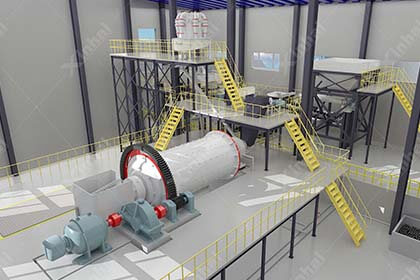
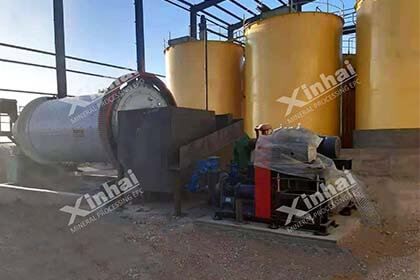
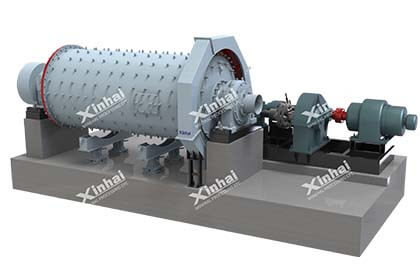
After crushing, the ore enters the grinding circuit where ball mills reduce the material into fine particles. Fine grinding is essential because it exposes gold particles locked within the ore body.
Hydrocyclones or spiral classifiers are commonly used to control particle size distribution. Proper classification prevents overgrinding and improves the efficiency of the cyanide leaching process.
02 Gold Leaching and Recovery Process Steps
Back1. Cyanide Leaching Process
The finely ground ore slurry is transferred into leaching tanks where cyanide solution dissolves the gold. Air blowers and agitators improve oxygen supply and slurry mixing to enhance chemical reactions.
The leaching process requires careful control of cyanide dosage, pH value, and retention time. Proper operational control helps maximize gold dissolution and improve recovery efficiency.
2. Carbon Adsorption and Gold Extraction
After leaching, the gold-bearing solution flows into activated carbon adsorption systems. Carbon-in-pulp and carbon-in-leach methods are widely used in small scale gold processing plants.
Activated carbon captures dissolved gold from the slurry, allowing the precious metal to be separated efficiently. Loaded carbon is then processed through desorption and electro-winning systems to recover gold.
3. Smelting and Final Gold Production
The recovered gold sludge from the electro-winning stage is dried and smelted into gold bars or dore bars. Smelting removes impurities and produces higher-purity gold products for commercial sale.
Proper smelting operations improve product quality and reduce metal losses during the final recovery stage. This process marks the completion of the gold extraction cycle.
03 Tailings Management and Plant Optimization
Back1. Tailings Treatment and Water Recycling
After gold recovery, the remaining slurry is discharged into tailings treatment systems. Thickeners separate solids from water, allowing process water to be recycled back into the plant.
Efficient water recycling reduces fresh water consumption and lowers environmental impact. Proper tailings management is essential for maintaining safe and sustainable mining operations.
2. Reagent Control and Automation Systems
Chemical reagent systems play an important role in gold leaching performance. Cyanide dosing units, lime systems, and pH control equipment help maintain stable operating conditions.
Modern automation systems improve process accuracy and reduce reagent waste. Automated control also helps stabilize production and lower operating costs in small gold processing plants.
3. Energy Efficiency and Equipment Maintenance
Energy consumption is a major operating cost in gold leaching plants. Efficient equipment selection and optimized grinding circuits can help reduce power usage and improve profitability.
Regular maintenance of crushers, mills, pumps, and leaching tanks is also important for stable plant performance. Preventive maintenance reduces downtime and extends equipment service life.
04 Summary
BackSmall scale gold leaching plant process steps typically include crushing, grinding, cyanide leaching, carbon adsorption, gold recovery, and tailings treatment. Each stage plays an important role in improving gold extraction efficiency and plant productivity.
Modern small scale gold processing plants focus on optimized equipment selection, automation, environmental protection, and efficient process control. With proper plant design and operational management, mining companies can achieve stable gold production and maximize long-term profitability.