+8618335758886
 laura@xinhaimining.com



The Ultimate Guide to Feldspar Processing
 Laura
 Oct 30, 2026
 8
If you want to know more details about equipment, solutions, etc, please click the button below for free consultation, or leave your requirements!
 Message
 Chat Now
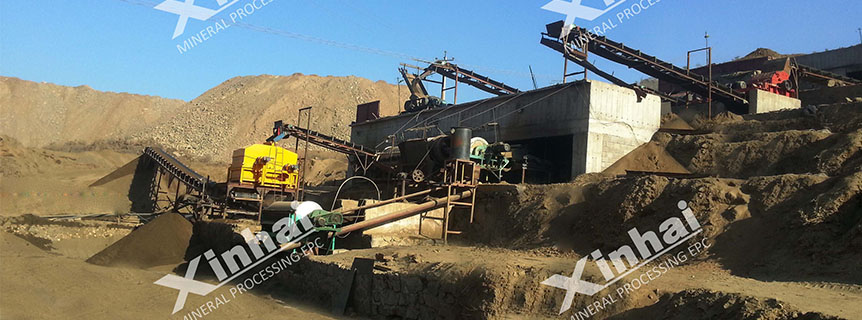
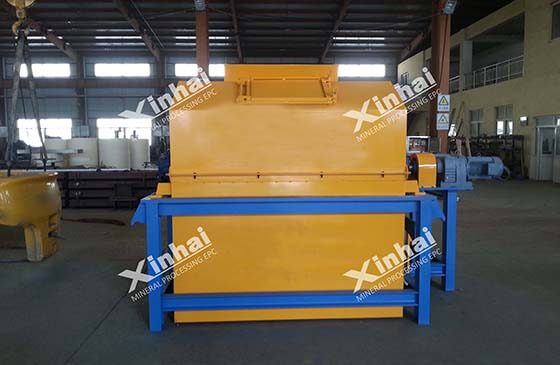
Guide to Feldspar Processing - magnetic separator
Feldspar is one of the most abundant rock-forming minerals and an essential industrial raw material used in glass manufacturing, ceramics, tiles, sanitary ware, and other applications. Its commercial value depends on its chemical composition, mineral purity, particle size, and the content of impurities such as iron-bearing minerals. Feldspar processing transforms raw ore into a refined product that meets the requirements of different industries. Understanding the processing techniques, equipment selection, and beneficiation principles helps mining operators improve product quality and production efficiency.
This guide explains the complete feldspar processing workflow, including ore preparation, crushing and grinding, beneficiation methods, and essential processing equipment. It also explores how to optimize recovery, improve product quality, and select a suitable processing flowsheet.
01 Understanding Feldspar Processing and Its Importance
BackFeldspar processing is a mineral beneficiation process designed to separate valuable feldspar minerals from unwanted materials and produce products with suitable chemical and physical properties. The specific processing route depends on the ore type, mineral composition, impurity levels, and final product requirements. Some deposits require only crushing and screening, while others need grinding, magnetic separation, flotation, or several combined methods to achieve the desired quality.
1. What Is Feldspar?
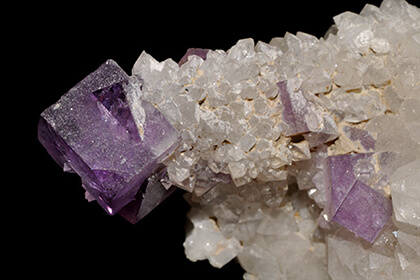
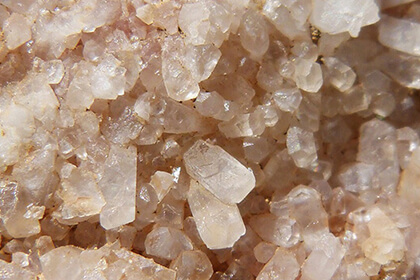
Feldspar is a group of aluminosilicate minerals containing varying proportions of potassium, sodium, and calcium. The most commercially important varieties include potassium feldspar and sodium feldspar, which are widely used in glass and ceramic production. Their fluxing properties help reduce melting temperatures and improve the manufacturing performance of finished products.
2. Why Is Feldspar Beneficiation Necessary?
Natural feldspar ore may contain quartz, mica, iron oxides, and other associated minerals that reduce product quality. Excessive iron content, for example, can affect the color and transparency of glass and ceramic products. Beneficiation removes these unwanted components, improves feldspar concentration, and helps manufacturers meet specific chemical specifications.
3. Factors Affecting the Processing Method
The selection of a feldspar processing method depends on several factors, including ore hardness, particle size, liberation characteristics, and the type of impurities present. Mineralogical analysis and laboratory beneficiation tests are important before equipment selection. These evaluations help determine whether physical separation, flotation, or a combined process is required for efficient and economical production.
02 Main Stages of the Feldspar Processing Process
BackA typical feldspar processing plant includes several interconnected stages, from raw ore preparation to final product handling. Each stage contributes to mineral liberation, impurity removal, or particle-size control. The exact flowsheet varies according to deposit characteristics and product specifications, so processing parameters should be established through testing rather than applying one standard configuration to every ore body.
1. Ore Crushing and Screening
Crushing reduces large feldspar-bearing rocks into smaller particles suitable for subsequent processing. Jaw crushers are commonly used for primary crushing, while cone crushers or other suitable secondary crushers may provide further size reduction. Screening separates particles according to size and helps control the feed entering downstream equipment. Appropriate crushing settings and screening efficiency can reduce unnecessary overgrinding and improve the overall stability of the processing plant.
2. Grinding and Mineral Liberation
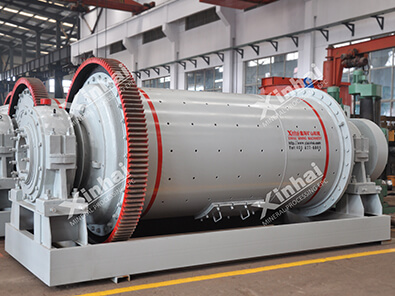
Grinding reduces crushed ore to a finer particle size, allowing feldspar minerals to become liberated from quartz, mica, and other associated materials. Ball mills and other grinding equipment may be selected according to ore properties and production requirements. The objective is to achieve sufficient liberation without generating excessive fine particles, which can complicate classification and separation. Grinding tests help establish the appropriate particle-size distribution for the subsequent beneficiation stages.
3. Classification and Desliming
After grinding, classification separates particles according to size using equipment such as hydrocyclones or vibrating screens, depending on the process design. Desliming removes excessive fine particles that may interfere with magnetic separation or flotation. Controlling the particle-size distribution improves separation performance and helps stabilize reagent consumption during flotation. Water management and effective slurry handling are also important for maintaining consistent operating conditions throughout the processing circuit.
03 Key Feldspar Beneficiation Methods and Equipment
BackFeldspar beneficiation aims to improve mineral purity by removing unwanted components while retaining as much valuable feldspar as possible. Different separation technologies target different impurity characteristics, so the most effective process often combines several methods. Equipment selection should consider ore mineralogy, throughput, water availability, energy consumption, and the required product specifications.
1. Magnetic Separation for Iron Removal
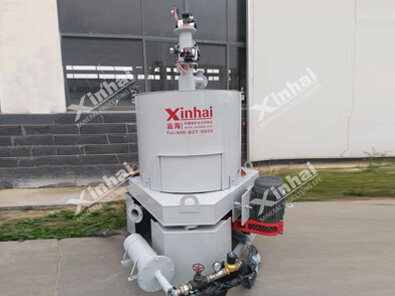
Magnetic separation is widely used to remove iron-bearing minerals and other magnetic impurities from feldspar ore. Depending on the magnetic properties of the unwanted minerals, a plant may use low-intensity or high-intensity magnetic separators. Wet high-intensity magnetic separation is particularly useful for certain weakly magnetic impurities. Proper feed preparation, slurry concentration, and magnetic field settings are essential for achieving effective impurity removal without excessive feldspar losses.
2. Flotation for Quartz and Mica Separation
Flotation separates minerals according to differences in their surface properties. In feldspar processing, flotation may be used to separate quartz, mica, and other associated minerals when physical separation alone cannot achieve the required purity. The process may involve conditioning, reagent addition, aeration, and controlled froth removal. Reagent selection and operating conditions must be determined through laboratory testing because ore composition and water chemistry can significantly influence flotation performance.
3. Washing and Gravity Separation
Washing removes clay, surface contamination, and certain fine impurities from suitable feldspar ores. Scrubbers and washing screens may be used when the raw material contains adhering clay or weathered materials. Gravity separation can also help remove associated minerals with sufficiently different densities, although its effectiveness depends on mineral characteristics and particle size. These methods are generally selected according to the deposit's specific impurity profile and are often integrated with other beneficiation techniques.
4. Choosing the Right Processing Equipment
A feldspar processing line may include crushers, vibrating screens, grinding mills, classifiers, magnetic separators, flotation cells, pumps, and dewatering equipment. Not every plant requires all these machines. A suitable equipment configuration should be based on test results, target capacity, required product quality, and operating costs. Coordinating equipment capacities and minimizing bottlenecks are essential for achieving stable production and reducing unnecessary energy consumption.
04 Optimizing Feldspar Processing Plant Performance
BackAn efficient feldspar processing plant must balance product purity, mineral recovery, production capacity, and operating expenses. Even well-designed equipment can perform poorly when feed conditions fluctuate or operating parameters are not properly controlled. Regular monitoring, maintenance, and process evaluation help operators identify inefficiencies, improve separation results, and maintain consistent product quality over the long term.
1. Improving Recovery and Product Quality
Operators should monitor feed grade, particle-size distribution, separation efficiency, and final product specifications throughout production. Adjusting grinding conditions, magnetic separator settings, and flotation parameters can improve impurity removal and reduce valuable mineral losses. Sampling and laboratory analysis provide reliable feedback for process adjustments. Where ore characteristics vary significantly, separate operating strategies may be needed to maintain stable product quality across different production periods.
2. Reducing Energy and Operating Costs
Energy consumption can be reduced by optimizing crushing and grinding stages, avoiding unnecessary fine grinding, and matching equipment capacity to actual production requirements. Efficient water recycling and appropriate reagent management can also lower operating costs. Preventive maintenance helps reduce unplanned downtime and protects critical equipment from excessive wear. A comprehensive cost evaluation should consider energy, labor, consumables, water, maintenance, and product yield rather than focusing on equipment purchase prices alone.
3. Environmental Management and Process Safety
Feldspar processing plants should manage wastewater, fine tailings, dust, and equipment noise in accordance with applicable environmental requirements. Water recycling can reduce freshwater demand, while suitable dust collection systems help control airborne particles during crushing and material handling. Tailings and process residues require appropriate storage and management. Safe operating procedures, equipment guarding, electrical protection, and personnel training are also essential for maintaining a reliable and responsible processing operation.
05 Summary of Feldspar Processing
BackFeldspar processing converts raw ore into valuable industrial materials through ore preparation, crushing, grinding, classification, and suitable beneficiation techniques. Magnetic separation, flotation, washing, and gravity separation may be combined according to mineral composition and impurity characteristics. By selecting appropriate equipment, optimizing operating parameters, and implementing effective maintenance and environmental controls, operators can improve product purity, recovery, and plant efficiency. A customized processing flowsheet based on mineralogical analysis and beneficiation testing provides the foundation for reliable, cost-effective feldspar production.
Contact our mineral processing team today to obtain a customized feldspar processing plant solution and equipment quotation for your project.


RELATED PRODUCTS
-
Energy Saving Ball Mill
-
Centrifugal Separator
-
Bulldozer Equipment