+8618335758886
 laura@xinhaimining.com



Ultimate Guide to Gold Beneficiation Plant Maintenance and Equipment Care
 Laura
Laura
 Jun 30, 2026
 377
377
If you want to know more details about equipment, solutions, etc, please click the button below for free consultation, or leave your requirements!
 Message
 Chat Now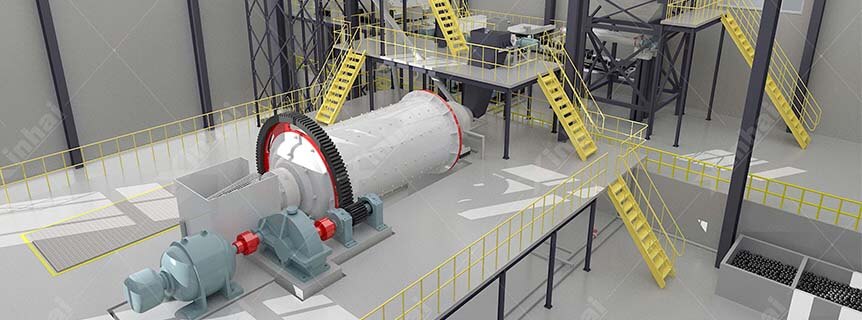
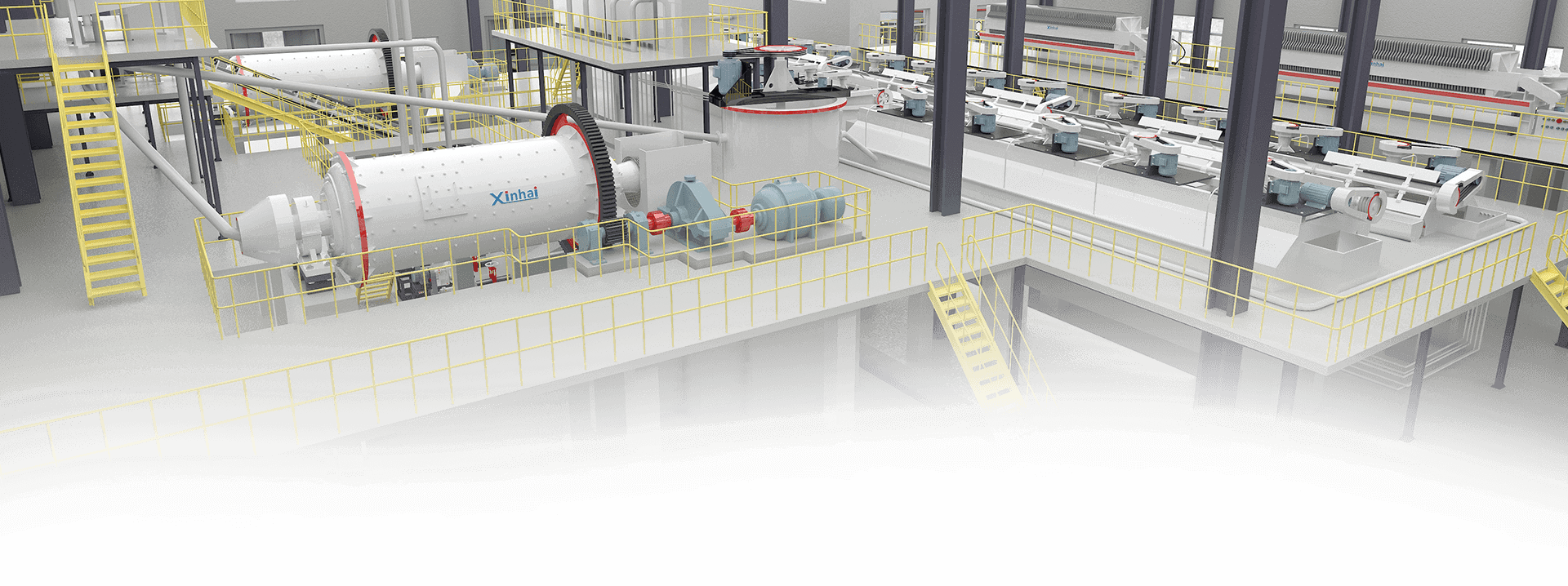
3D beneficiation plant renderings of the 1200tpd gold mine project
Gold beneficiation plants operate in demanding environments where continuous production, abrasive materials, and heavy-duty machinery place significant stress on equipment. Proper maintenance and equipment care are essential for maximizing plant efficiency, reducing downtime, extending equipment lifespan, and improving overall profitability. Whether operating a small-scale gold processing plant or a large industrial facility, implementing a structured maintenance program helps prevent unexpected failures and ensures stable production.
This guide explains the key aspects of maintaining gold beneficiation equipment and developing an effective maintenance strategy.
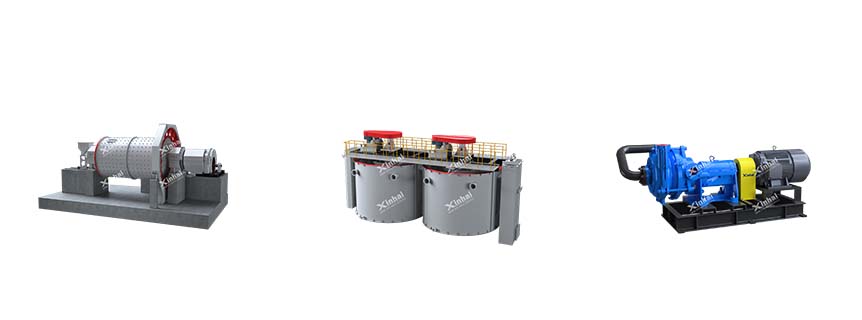
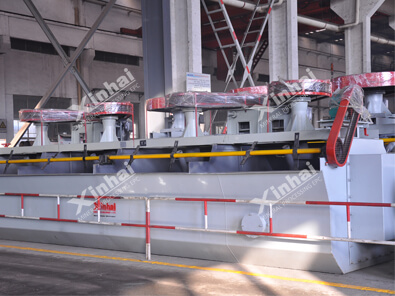
ball mill, flotation cells and slurry pump
01 Develop a Preventive Maintenance Program
Back1. Schedule Regular Equipment Inspections
Inspection checklists should cover bearings, lubrication systems, seals, belts, electrical components, motors, gearboxes, and structural supports. Recording inspection results helps identify recurring issues and supports better maintenance planning over time.
2. Implement Planned Maintenance Intervals
Rather than waiting for equipment to fail, scheduled maintenance ensures components are replaced before reaching the end of their service life. Maintenance intervals should be based on operating hours, equipment manufacturer recommendations, and actual working conditions.
Planned shutdowns minimize production disruption while allowing technicians to inspect internal wear components, replace damaged parts, adjust alignments, and recalibrate instruments. This proactive approach significantly reduces emergency repairs and unexpected production losses.
3. Maintain Detailed Equipment Records
Accurate maintenance records provide valuable insights into equipment performance and reliability. Every inspection, repair, lubrication activity, spare part replacement, and equipment failure should be documented.
Historical maintenance data allows plant managers to predict wear patterns, optimize maintenance schedules, estimate spare parts consumption, and improve long-term asset management. Digital maintenance management systems can further streamline record keeping and scheduling.
02 Optimize Lubrication and Wear Part Management
Back1. Ensure Proper Lubrication Practices
Lubrication is one of the most important factors affecting equipment lifespan. Crushers, grinding mills, pumps, conveyors, and rotating machinery all rely on proper lubrication to reduce friction and heat generation.
Operators should use manufacturer-recommended lubricants and strictly follow lubrication schedules. Over-lubrication and insufficient lubrication can both cause premature bearing failure. Regular oil analysis can also detect contamination, moisture, and metal particles before mechanical damage becomes severe.
2. Monitor High-Wear Components
Gold beneficiation equipment processes highly abrasive ores that accelerate component wear. Liners, grinding media, crusher jaws, screen panels, impellers, pump casings, and cyclone liners require continuous monitoring.
Replacing wear parts before complete failure prevents secondary equipment damage and maintains consistent processing performance. Plants should establish wear measurement standards and schedule replacements based on actual operating conditions rather than fixed assumptions.
3. Maintain an Adequate Spare Parts Inventory
Unexpected equipment failures become far more costly when replacement parts are unavailable. Maintaining inventory for critical spare parts minimizes repair delays and production interruptions.
Priority should be given to components with long procurement times or high replacement frequency. Inventory management systems help balance stock availability while reducing unnecessary storage costs.
03 Improve Equipment Performance Through Daily Operation
Back1. Train Operators on Proper Equipment Use
Even well-maintained equipment can experience premature failure if operated incorrectly. Operators should receive comprehensive training on startup procedures, shutdown sequences, load control, emergency response, and routine inspections.
Proper operating practices reduce unnecessary stress on machinery while improving processing efficiency. Continuous operator education also encourages early reporting of abnormal equipment behavior before major failures occur.
2. Monitor Operating Parameters Continuously
Modern gold beneficiation plants increasingly rely on automation and process monitoring systems. Parameters such as motor current, vibration, bearing temperature, pressure, slurry density, flow rate, and power consumption provide valuable information about equipment health.
Continuous monitoring enables maintenance personnel to identify developing issues before production is affected. Predictive maintenance technologies further improve equipment reliability by analyzing operational trends and forecasting failures.
3. Keep Equipment and Plant Areas Clean
Dust, slurry buildup, oil leakage, and accumulated debris negatively impact equipment performance and workplace safety. Regular housekeeping prevents contamination of moving components and improves accessibility during inspections and repairs.
A clean plant environment also allows operators to identify leaks, cracks, loose fasteners, or damaged components more quickly, reducing maintenance response times and improving operational safety.
04 Build a Long-Term Maintenance Strategy
Back1. Adopt Predictive Maintenance Technologies
Many modern gold processing plants are shifting from reactive maintenance to predictive maintenance. Technologies such as vibration analysis, infrared thermography, ultrasonic testing, and oil condition monitoring help identify hidden equipment problems before failures occur.
Predictive maintenance reduces maintenance costs by allowing repairs to be scheduled only when necessary while avoiding unnecessary component replacement. This strategy also increases equipment availability and production efficiency.
2. Improve Maintenance Team Coordination
Successful maintenance requires close cooperation between production operators, maintenance technicians, engineers, and management. Clear communication ensures that equipment issues are reported promptly and maintenance activities are completed efficiently.
Regular maintenance meetings help prioritize repairs, review equipment performance, analyze failure causes, and optimize maintenance schedules. A collaborative maintenance culture contributes to safer operations and more reliable production.
3. Continuously Evaluate Maintenance Performance
Maintenance programs should evolve based on operational experience and performance data. Key performance indicators such as equipment availability, mean time between failures, maintenance costs, spare parts consumption, and production downtime provide measurable benchmarks for improvement.
Regular performance evaluations enable plant managers to identify weaknesses, implement corrective actions, and maximize return on equipment investment throughout the plant's operating life.
05 Summary
BackEffective maintenance and equipment care are fundamental to the long-term success of any gold beneficiation plant. By implementing preventive maintenance programs, optimizing lubrication and wear part management, improving daily operational practices, and adopting predictive maintenance strategies, mining companies can reduce downtime, lower operating costs, extend equipment lifespan, and achieve higher processing efficiency. A well-maintained beneficiation plant not only delivers stable gold recovery but also supports safer operations and sustainable long-term profitability.
**Contact our engineering team today to obtain a customized quotation for reliable gold beneficiation equipment and complete plant maintenance solutions.**


RELATED PRODUCTS
-
JJF Flotation Cell
-
Linear Vibrating Screen
-
Leaching Agitation Tank