+8618335758886
 laura@xinhaimining.com



Wet vs. Dry Kaolin Processing: Key Differences Explained
 Laura
 Nov 27, 2026
 16
If you want to know more details about equipment, solutions, etc, please click the button below for free consultation, or leave your requirements!
 Message
 Chat Now
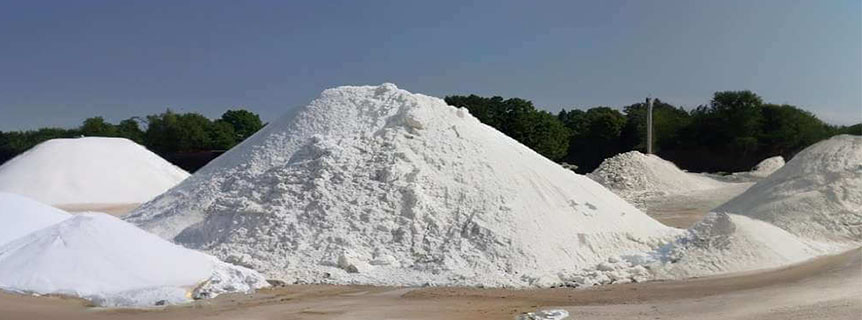
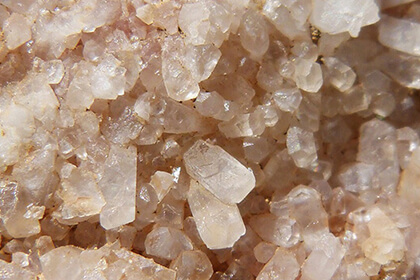
kaolin mine - Wet vs. Dry Kaolin Processing
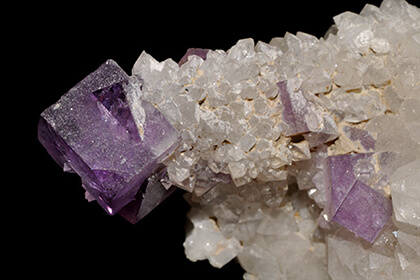
Kaolin, commonly known as china clay, is an important industrial mineral used in ceramics, paper, paints, coatings, rubber, plastics, and many other applications. To meet different industrial requirements, kaolin ore must undergo appropriate processing to remove impurities, control particle size, and improve product quality. Wet and dry kaolin processing are two major beneficiation methods. Although both aim to produce high-quality kaolin products, they differ significantly in processing techniques, equipment requirements, operating costs, and final product characteristics.
This article compares wet and dry kaolin processing, explaining their working principles, equipment, advantages, limitations, and applications to help mining operators select the most suitable processing method.
01 What Is Wet Kaolin Processing?
Back1. Working Principle of Wet Processing
Wet kaolin processing is a beneficiation method that uses water to disperse, classify, and purify kaolin particles. Raw kaolin ore is mixed with water to form a slurry, allowing clay particles to separate from coarse minerals and other impurities. The slurry then passes through different separation stages to improve kaolin purity, particle size distribution, and brightness.
Typical wet processing operations include washing, dispersion, screening, hydrocyclone classification, magnetic separation, flotation, and chemical bleaching. Depending on the mineral composition of the raw ore, some stages may be omitted or repeated to achieve the required product specifications.
2. Main Equipment Used in Wet Kaolin Processing
Wet kaolin processing requires several types of equipment to handle slurry preparation and mineral separation. Mixing tanks and attrition scrubbers are commonly used to disperse clay aggregates and release impurities. Vibrating screens remove coarse particles, while hydrocyclones classify fine kaolin according to particle size and settling behavior.
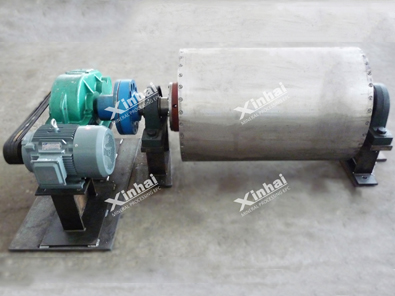
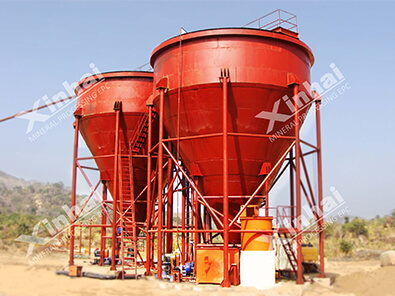
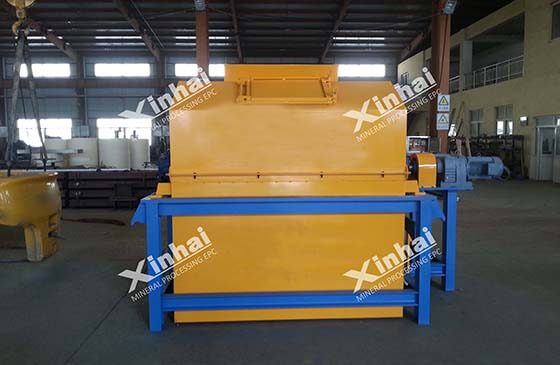
For further purification, high-intensity magnetic separators and flotation machines can remove iron-bearing minerals and other unwanted components. Thickener tanks, filter presses, and vacuum filters are subsequently used for dewatering. The combination of these machines creates a flexible processing system suitable for producing high-quality refined kaolin.
3. Advantages and Limitations of Wet Processing
One major advantage of wet kaolin processing is its ability to produce fine, high-purity kaolin with improved brightness and controlled particle size. It is particularly suitable for deposits containing fine impurities that are difficult to remove through dry processing. Multiple separation techniques can also be combined to meet demanding industrial quality requirements.
However, wet processing requires substantial water consumption and additional equipment for slurry transportation and wastewater treatment. Dewatering and drying also increase energy requirements and operating costs. Therefore, water availability, environmental regulations, and production targets should be considered when designing a wet kaolin processing plant.
02 What Is Dry Kaolin Processing?
Back1. Working Principle of Dry Processing
Dry kaolin processing is a beneficiation method that treats kaolin ore without using water during the main separation stages. The raw material is first crushed, dried when necessary, and ground into smaller particles. Air classification and screening are then applied to separate particles according to their size and aerodynamic characteristics.
This method mainly focuses on removing coarse impurities, controlling particle-size distribution, and improving the physical properties of kaolin. Compared with wet processing, dry processing has a simpler production flow and generally requires fewer water-related facilities, making it suitable for certain deposits with relatively high natural purity.
2. Main Equipment Used in Dry Kaolin Processing
The equipment used in dry kaolin processing mainly includes crushers, dryers, grinding mills, vibrating screens, and air classifiers. Jaw crushers or hammer crushers can reduce the size of raw ore, while rotary dryers remove excessive moisture when the feed material is too wet for efficient grinding.
Grinding mills, such as Raymond mills and other suitable pulverizing equipment, reduce kaolin to the required fineness. Air classifiers separate fine particles from coarse materials, allowing oversized particles to return to the grinding system for further treatment. Dust collectors are also important for controlling airborne particles and maintaining a clean production environment.
3. Advantages and Limitations of Dry Processing
Dry kaolin processing offers several advantages, including relatively simple equipment configuration, lower water consumption, and reduced wastewater treatment requirements. Its production flow is generally easier to manage, and it can be economically attractive for deposits that already have favorable mineral composition and low impurity content.
Nevertheless, dry processing has limitations when dealing with complex ores containing finely disseminated iron-bearing minerals or other impurities. It may not achieve the same purification performance as a properly designed wet processing system. In addition, drying and grinding can consume considerable energy, particularly when processing high-moisture raw materials or producing extremely fine kaolin powders.
03 Wet vs. Dry Kaolin Processing: Key Differences Explained
Back1. Differences in Processing Flow and Equipment
The most noticeable difference between wet and dry kaolin processing is the use of water. Wet processing relies on slurry preparation, hydraulic classification, and water-based separation technologies. Its equipment configuration generally includes mixing tanks, hydrocyclones, magnetic separators, flotation machines, thickeners, and filtration systems.
Dry processing mainly uses mechanical crushing, grinding, screening, and air classification. Its equipment configuration is relatively straightforward and does not require extensive slurry transportation or wastewater treatment facilities. The choice between these two flows depends on the raw ore properties and the quality requirements of the finished product.
2. Differences in Product Quality and Purification Efficiency
Wet processing generally provides better performance in removing fine impurities and producing high-brightness kaolin products. Through magnetic separation, flotation, and chemical treatment, it can reduce the content of unwanted minerals and improve product whiteness. This makes wet processing suitable for applications requiring strict quality control.
Dry processing primarily improves particle-size distribution and removes certain coarse impurities through mechanical separation. Although it can produce kaolin products suitable for many industrial applications, its ability to remove finely distributed impurities is relatively limited. Therefore, the final product quality largely depends on the natural purity of the original kaolin deposit.
3. Differences in Water Consumption, Energy, and Operating Costs
Water consumption is an important consideration when comparing the two methods. Wet processing requires a continuous water supply for washing, dispersion, and classification. It also needs water recycling systems and wastewater treatment facilities to meet environmental standards. Additional energy is required for pumping, dewatering, and drying the processed kaolin.
Dry processing consumes little or no process water, reducing water supply and wastewater treatment expenses. However, crushing, grinding, and drying may require substantial electricity or fuel. The actual operating cost depends on ore moisture, processing capacity, equipment efficiency, energy prices, and maintenance requirements.
04 How to Choose the Right Kaolin Processing Method
Back1. Consider Raw Ore Characteristics
The mineral composition and physical properties of raw kaolin ore are the most important factors when selecting a processing method. If the deposit contains relatively pure kaolin with low iron content and limited associated impurities, dry processing may provide an economical solution. Crushing, grinding, and air classification can be sufficient to produce products that meet certain industrial requirements.
For deposits containing considerable impurities, coarse minerals, or finely distributed iron-bearing components, wet processing is often more appropriate. Laboratory mineralogical analysis and beneficiation tests should be conducted before selecting the final processing flow to determine the most effective separation methods.
2. Consider Final Product Requirements
Different industries have different requirements for kaolin quality. Ceramic manufacturers may focus on whiteness, plasticity, particle size, and chemical composition. Paper coatings and high-grade paint applications often require fine particle sizes, high brightness, and low impurity content.
When these strict specifications must be achieved, wet processing offers greater flexibility because it combines several purification technologies. Dry processing may be sufficient for applications with less demanding purity requirements. Understanding the target market and product specifications helps mining companies avoid unnecessary equipment investment and select a more suitable production process.
3. Consider Investment and Environmental Requirements
Investment budget, production capacity, water availability, and environmental regulations should also influence the selection. Dry processing generally involves fewer water-related facilities and may require a lower initial investment for relatively simple operations. It is particularly attractive in areas where water resources are limited.
Wet processing may require higher initial investment because of its additional separation, dewatering, and wastewater treatment equipment. However, it can produce higher-value refined kaolin products when the ore characteristics justify the investment. A comprehensive feasibility study should evaluate equipment costs, energy consumption, water recycling, operating expenses, and expected product revenue.
05 Summary: Wet vs. Dry Kaolin Processing
BackWet and dry kaolin processing both play important roles in modern kaolin beneficiation, but they serve different processing requirements. Wet processing uses water-based separation technologies to improve purity, brightness, and particle-size distribution, making it suitable for complex ores and high-quality products. Dry processing relies on crushing, grinding, screening, and air classification, offering a simpler production flow and lower water consumption.
The best processing method depends on ore characteristics, final product specifications, investment budget, and environmental conditions. In some cases, combining selected wet and dry processing stages can provide an effective solution for improving product quality and overall plant efficiency.
**Contact our mineral processing experts today to obtain a customized wet or dry kaolin processing solution and equipment quotation.**


RELATED PRODUCTS
-
Magenetic Drum
-
Spiral Chute
-
Efficient Deep Cone Thickener