+8618335758886
 laura@xinhaimining.com



Best Gravity Separation Equipment for Mineral Processing Plants
 Laura
Laura
 Jul 15, 2026
 600
600
If you want to know more details about equipment, solutions, etc, please click the button below for free consultation, or leave your requirements!
 Message
 Chat Now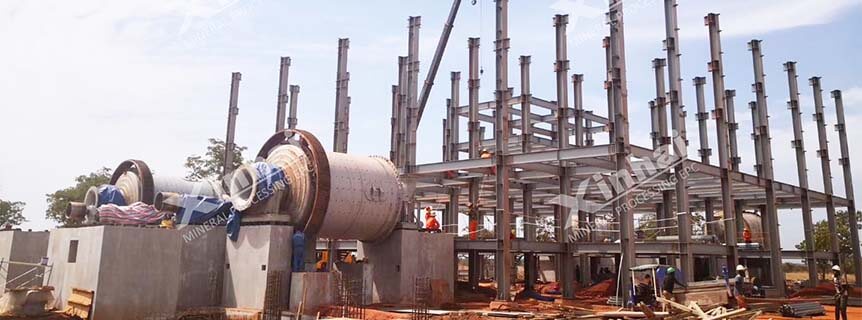
A gold ore gravity separation plant under construction
Gravity separation equipment is a fundamental part of mineral processing plants, providing an efficient method for recovering valuable minerals according to differences in density. These machines use physical forces such as gravity, water flow, and centrifugal force to separate heavy minerals from lighter waste materials. With advantages including low energy consumption, simple operation, and minimal chemical requirements, gravity separation equipment is widely used in gold, iron ore, tin, tungsten, chromite, and mineral sands processing operations.
This article introduces the main types of gravity separation equipment, explaining their structures, working principles, advantages, and suitable applications in mineral processing plants.
01 Jig Separation Equipment
Back1. Working Principle of Jigs
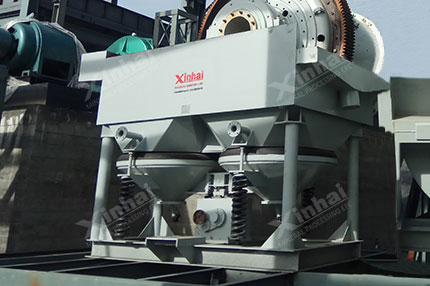
Jig separators are one of the oldest and most commonly used gravity separation machines in the mining industry. They separate minerals through repeated pulsating water movements that create layers according to particle density. During operation, heavier mineral particles move downward and accumulate as concentrate, while lighter materials remain above and are discharged as waste. The simple separation mechanism allows jigs to process large quantities of ore while maintaining stable recovery performance in various mineral processing applications.
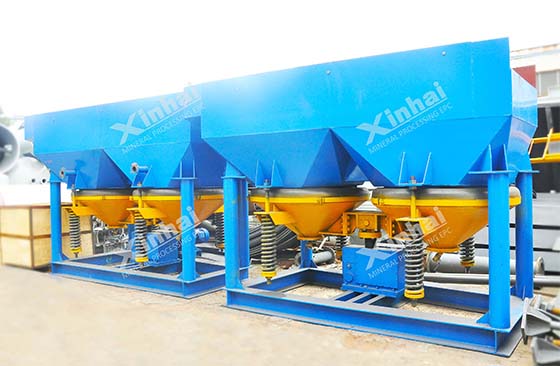
Jig Separation Equipment
2. Structural Features of Jigs
A typical jig separator consists of a screen chamber, water pulsation system, concentrate discharge mechanism, and drive unit. The design allows continuous movement of water through the mineral bed, creating effective particle stratification. Modern jig machines often include adjustable operating parameters to control water flow, pulsation frequency, and feed conditions. These improvements provide better adaptability when processing different ore types and allow operators to optimize separation performance according to specific production requirements.
3. Mining Applications of Jigs
Jig separators are widely applied in the recovery of coarse valuable minerals. They are commonly used for gold, tin, tungsten, manganese, and iron ore processing because these minerals usually have significant density differences compared with surrounding materials. Jigs are especially effective for handling larger particles that may not be suitable for other gravity equipment. Their high processing capacity, reliable operation, and low maintenance requirements make them an important choice for many commercial mineral processing plants.
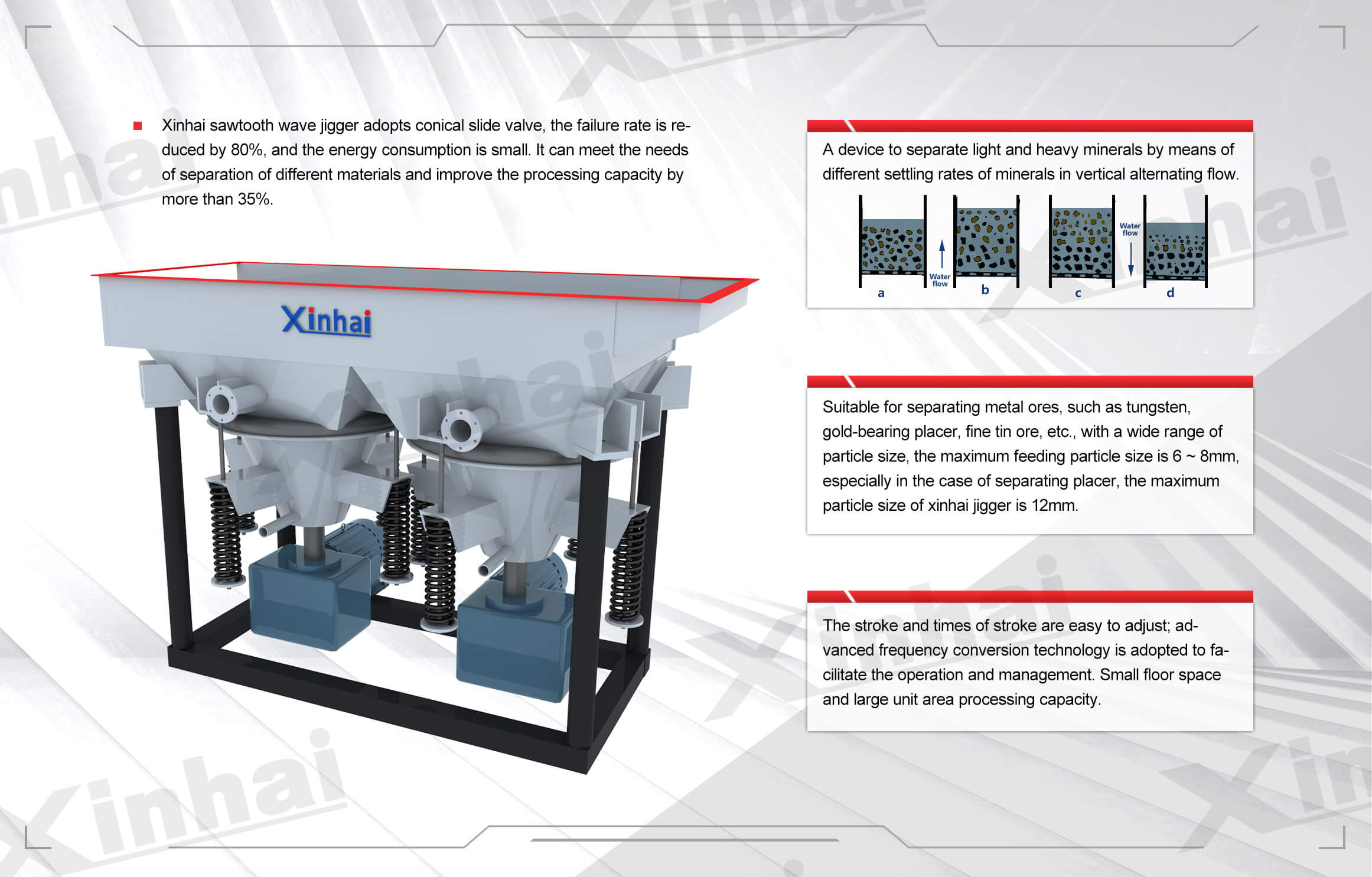
Introduction to jigs
02 Shaking Table Equipment
Back1. Operating Method of Shaking Tables
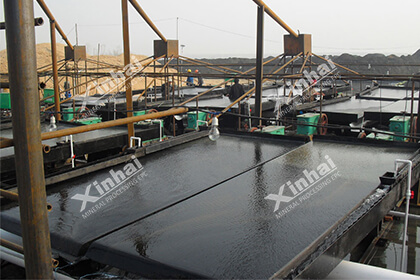
Shaking tables are precision gravity separation machines designed for recovering fine mineral particles. The equipment combines a slightly inclined deck, controlled water flow, and continuous table movement to separate minerals according to density and particle size. As slurry moves across the table surface, heavier minerals remain closer to the concentrate area, while lighter materials are carried away by water. This precise separation process makes shaking tables valuable for producing high-quality mineral concentrates.
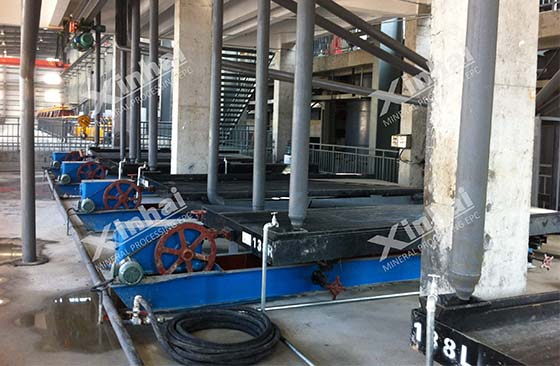
Shaking Table Equipment
2. Design Characteristics of Tables
A shaking table typically includes a vibrating deck, adjustable support system, water distribution device, and concentrate collection zones. The deck surface may contain different patterns designed to improve mineral movement and separation efficiency. Operators can adjust table angle, vibration speed, and water flow to match different ore conditions. These flexible settings allow shaking tables to achieve excellent separation accuracy, especially when processing fine valuable minerals that require careful concentration control.
3. Common Applications of Tables
Shaking tables are frequently used in gold, tungsten, tin, and rare mineral processing operations. They are particularly effective during the final concentration stage, where producing a high-grade concentrate is more important than processing extremely large volumes. Small and medium-sized processing plants often use shaking tables because they provide reliable results with relatively simple operation. They are also widely used in mineral testing laboratories to evaluate ore separation performance before large-scale production.
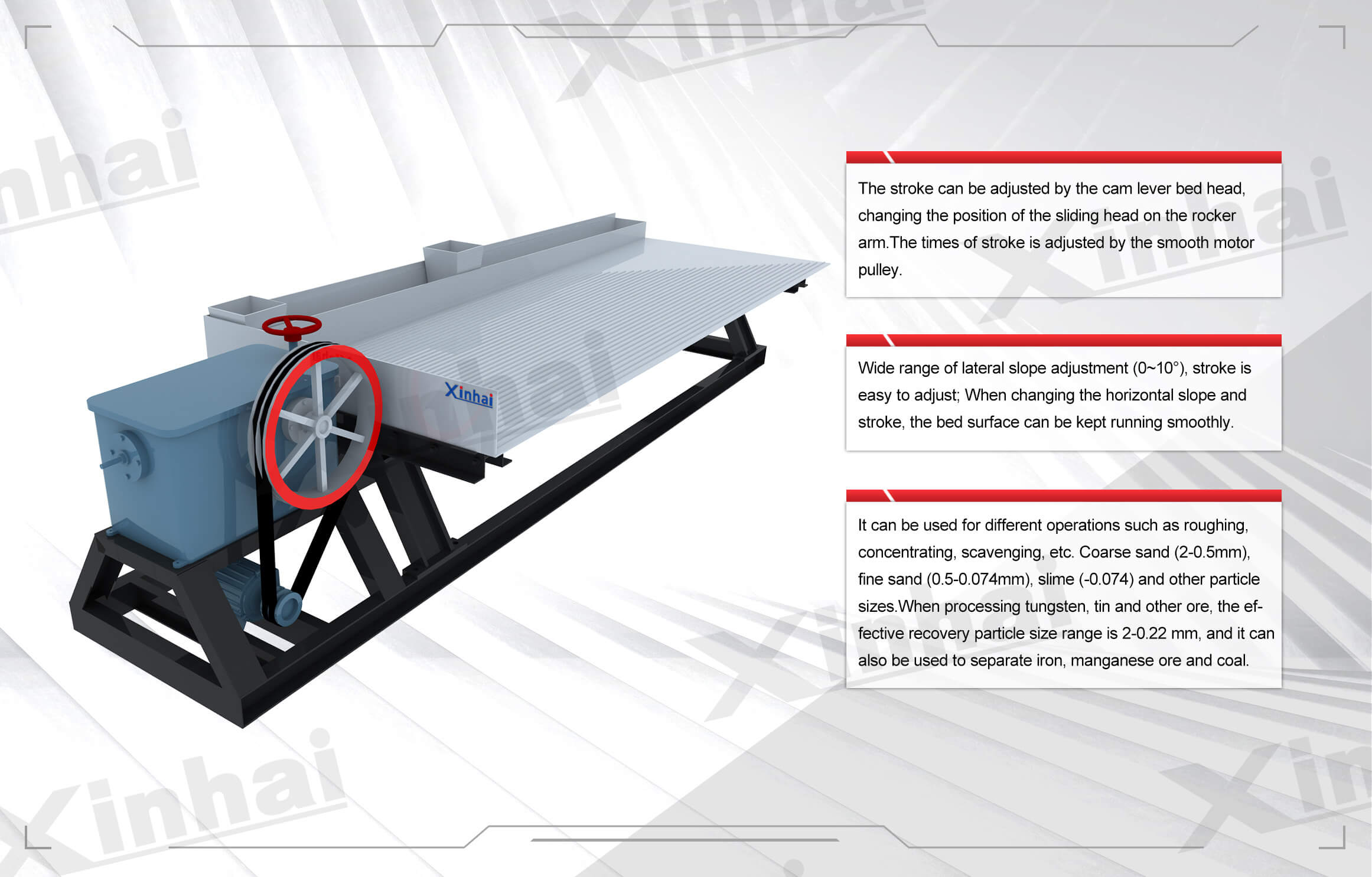 Introduction to shaking tables
03 Spiral Concentrator Equipment
Back1. Separation Process of Spirals
Spiral concentrators are gravity separation machines that use a spiral-shaped channel to separate minerals continuously. When mineral slurry flows downward along the spiral surface, gravity and centrifugal forces cause heavier particles to move toward the inner section while lighter materials travel toward the outside edge. The separated materials are collected through different discharge points. This simple but effective process allows spiral concentrators to handle large volumes of material with low energy requirements and stable performance.
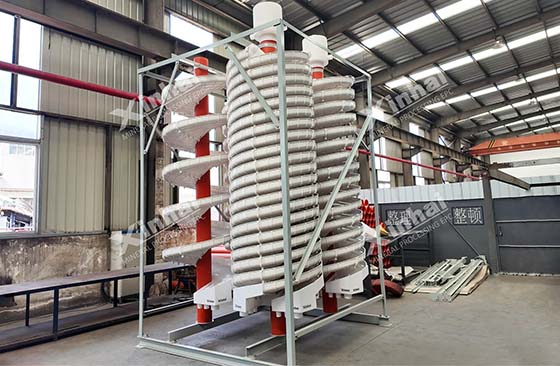
Spiral Concentrator Equipment
2. Advantages of Spiral Systems
One of the main advantages of spiral concentrators is their simple mechanical structure. Unlike many processing machines, they do not require motors, complex moving components, or high energy consumption during operation. This results in lower maintenance costs and improved equipment reliability. Their compact design also allows multiple units to be installed together in large processing plants. These characteristics make spiral concentrators a preferred choice for continuous mineral processing operations requiring efficient and economical separation.
3. Industrial Uses of Spirals
Spiral concentrators are widely used for processing iron ore, chromite, coal, mineral sands, and other heavy minerals. They are particularly suitable for separating minerals with moderate differences in density and are often installed in large-scale beneficiation plants. In mineral sands processing, spirals are commonly used to recover valuable heavy minerals before further separation stages. Their high capacity, low operating cost, and consistent performance make them one of the most important gravity separation technologies in modern mining.
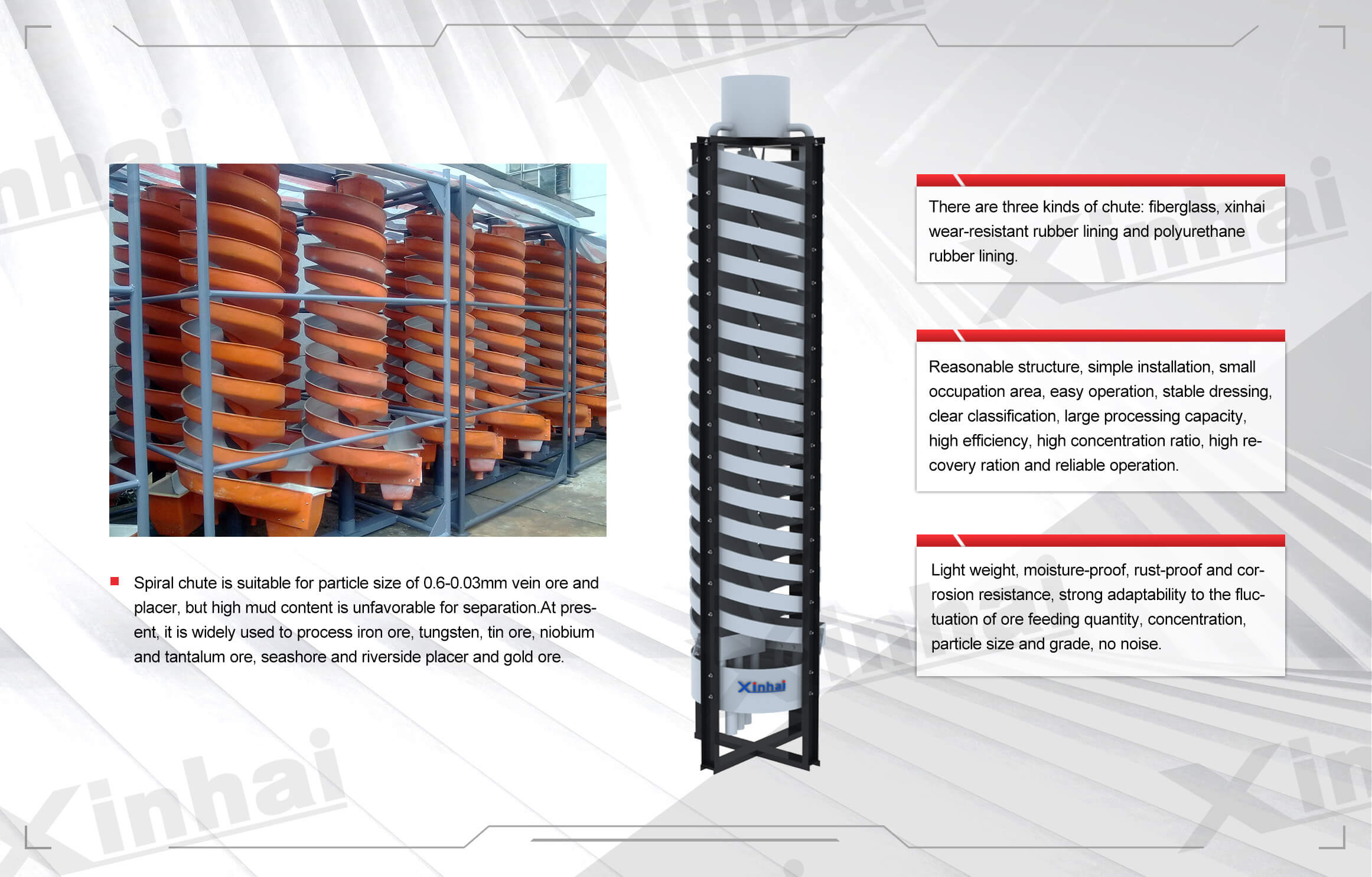 Introduction to spiral chutes
04 Centrifugal Concentrator Equipment
Back1. Working Principle of Centrifugal Units
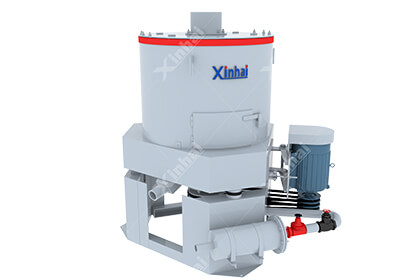
Centrifugal concentrators are advanced gravity separation machines that use enhanced gravitational forces to recover fine heavy minerals. During operation, a rotating bowl creates strong centrifugal acceleration, allowing dense particles to move into collection zones while lighter materials are removed. This technology improves the recovery of fine particles that may be difficult to capture with conventional gravity equipment. As a result, centrifugal concentrators have become increasingly important in modern mineral processing plants.
2. Equipment Features and Benefits
Modern centrifugal concentrators feature compact structures, automated operation systems, and adjustable recovery settings. These machines can process fine mineral particles efficiently while maintaining high recovery rates. Their ability to recover valuable minerals from low-grade materials makes them especially useful in applications where maximizing resource utilization is important. Although the initial investment may be higher than simpler gravity equipment, improved recovery performance can provide significant economic benefits over the long term.
3. Applications in Mineral Plants
Centrifugal concentrators are widely used in gold processing plants because of their excellent ability to recover fine free gold. They are often installed before flotation or chemical extraction stages to capture valuable particles early in the process. In addition to gold, centrifugal technology can also support the recovery of other heavy minerals where fine particle concentration is required. Their advanced performance continues to expand their role in modern mineral beneficiation systems.
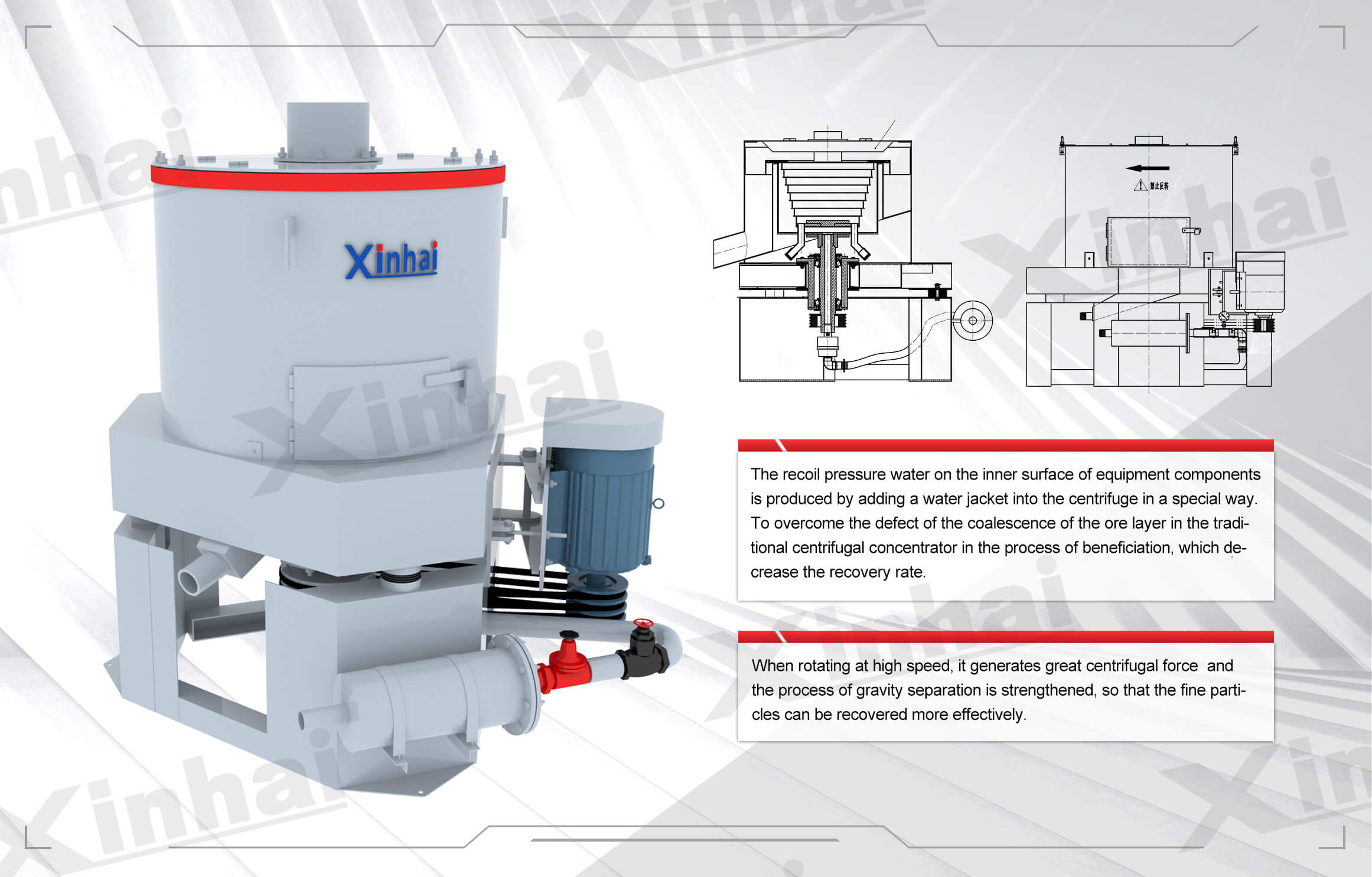
Introduction to centrifugal concentrator
05 Summary
BackGravity separation equipment is essential for efficient mineral recovery in modern processing plants. Jig separators provide high-capacity separation for coarse minerals, shaking tables offer precise concentration of fine particles, spiral concentrators deliver economical large-scale processing, and centrifugal concentrators improve fine mineral recovery. Selecting the appropriate equipment depends on mineral characteristics, production capacity, and processing objectives. By using suitable gravity separation machines, mining operations can improve recovery efficiency, reduce costs, and achieve more sustainable mineral processing.
Contact our experts today to get a customized gravity separation equipment recommendation and a competitive quotation.


RELATED PRODUCTS
-
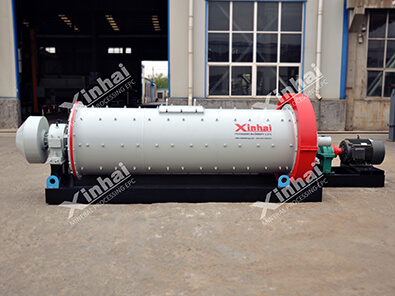
Grid Type Ball Mill
-
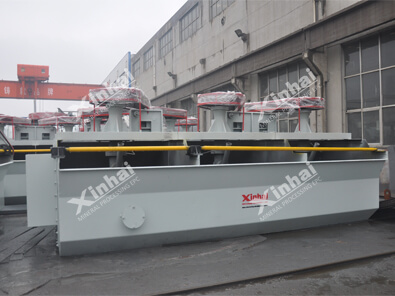
SF Flotation Cell
-
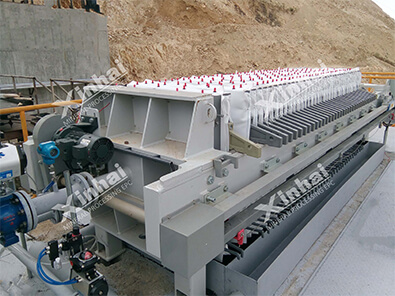
Press Filter