+8618234403483
 yanzhang19990421@gmail.com



Chrome Ore Gravity Separation Process Explained
 Laura
Laura
 Sep 29, 2026
 9
9
If you want to know more details about equipment, solutions, etc, please click the button below for free consultation, or leave your requirements!
 Message
 Chat Now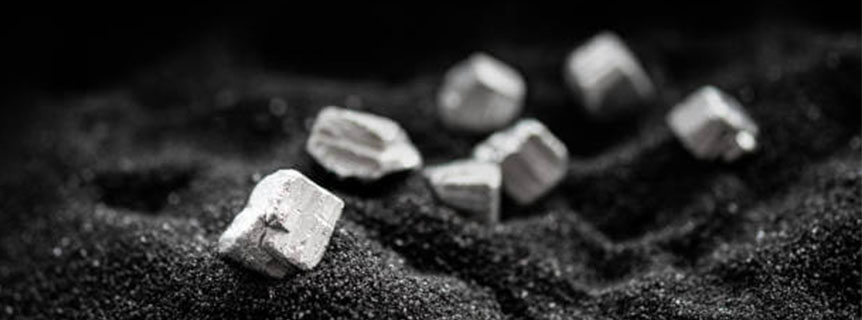
chrome ore mining
Chrome ore gravity separation is a widely used mineral processing method for upgrading chromite ore by exploiting differences in density between chromite and gangue minerals. The process can be adapted to different ore characteristics and is commonly applied after crushing and grinding to produce a higher-grade concentrate. Understanding the complete chrome ore gravity separation process helps operators select suitable equipment, optimize recovery, and improve overall beneficiation efficiency.
This article explains the main stages of chrome ore gravity separation, including crushing, grinding, classification, gravity concentration, and concentrate cleaning. It also introduces commonly used equipment and the key factors that influence separation performance.
01 Chrome Ore Preparation Before Gravity Separation
Back1. Crushing and Grinding
The first stage of chrome ore beneficiation is ore preparation. Run-of-mine ore is usually crushed into smaller particles to liberate chromite from surrounding gangue minerals. Jaw crushers and cone crushers may be used according to the ore size and plant capacity. After crushing, the material can be ground when finer liberation is required. The grinding stage should avoid excessive production of slimes because very fine particles can reduce the efficiency of subsequent gravity separation.
2. Screening and Classification
After crushing and grinding, screening and classification help control particle size before gravity concentration. Vibrating screens can remove oversized particles, while hydrocyclones or other classifiers separate fine and coarse fractions according to settling behavior. Proper classification ensures that the feed entering gravity equipment has a suitable size distribution. Since gravity separators perform differently across various particle sizes, controlling the feed size is essential for achieving stable separation and reducing unnecessary losses of chromite.
02 Main Chrome Ore Gravity Separation Process
Back1. Gravity Concentration
The core of the chrome ore gravity separation process is the concentration of chromite according to its higher specific gravity compared with many associated gangue minerals. When the prepared ore enters a gravity separator, differences in density, particle size, and settling behavior allow chromite-rich particles to concentrate separately from lighter minerals. The separation method selected depends on the ore characteristics, liberation size, feed capacity, and desired concentrate grade.
2. Spiral Concentrators
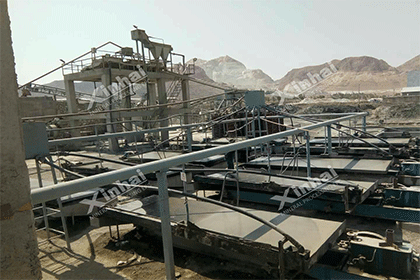
Spiral concentrators are frequently used for chrome ore gravity separation, particularly when processing relatively fine material. The slurry flows downward along the spiral surface, while centrifugal force, gravity, and fluid movement cause particles to stratify according to density. Heavier chromite particles tend to migrate toward the inner part of the spiral, while lighter gangue moves toward the outer region. Adjustable splitter positions can then divide the material into concentrate, middlings, and tailings streams.
3. Shaking Tables
Shaking tables can be used for cleaning or upgrading chromite concentrates. They use a slightly inclined deck combined with reciprocating motion and controlled water flow to separate particles according to density. Dense chromite particles generally concentrate in specific areas of the table, while lighter gangue is carried toward the tailings side. Shaking tables are particularly useful when a higher-grade final concentrate is required and when the feed contains sufficiently liberated particles.
03 Chrome Ore Gravity Separation Equipment
Back1. Jig Separators
Jigs are suitable for separating relatively coarse chromite particles and can be incorporated into gravity circuits where coarse liberation is available. Pulsating water creates repeated upward and downward movement through a bed of particles. Dense chromite particles move downward more readily than lighter gangue, forming a concentrated layer. Jigs can offer high processing capacity and are often considered when the ore contains a significant proportion of coarse, liberated chromite.
2. Spiral and Table Combination
A combination of gravity equipment can improve overall separation efficiency. Spirals may be used for primary concentration because they can handle large volumes of slurry, while shaking tables can provide additional cleaning of selected streams. In some plants, multiple gravity stages are arranged to recover chromite from rougher concentrates, middlings, and scavenger products. The exact circuit should be determined through mineralogical testing and beneficiation trials rather than applying one equipment configuration to every deposit.
3. Hydrocyclones and Auxiliary Equipment
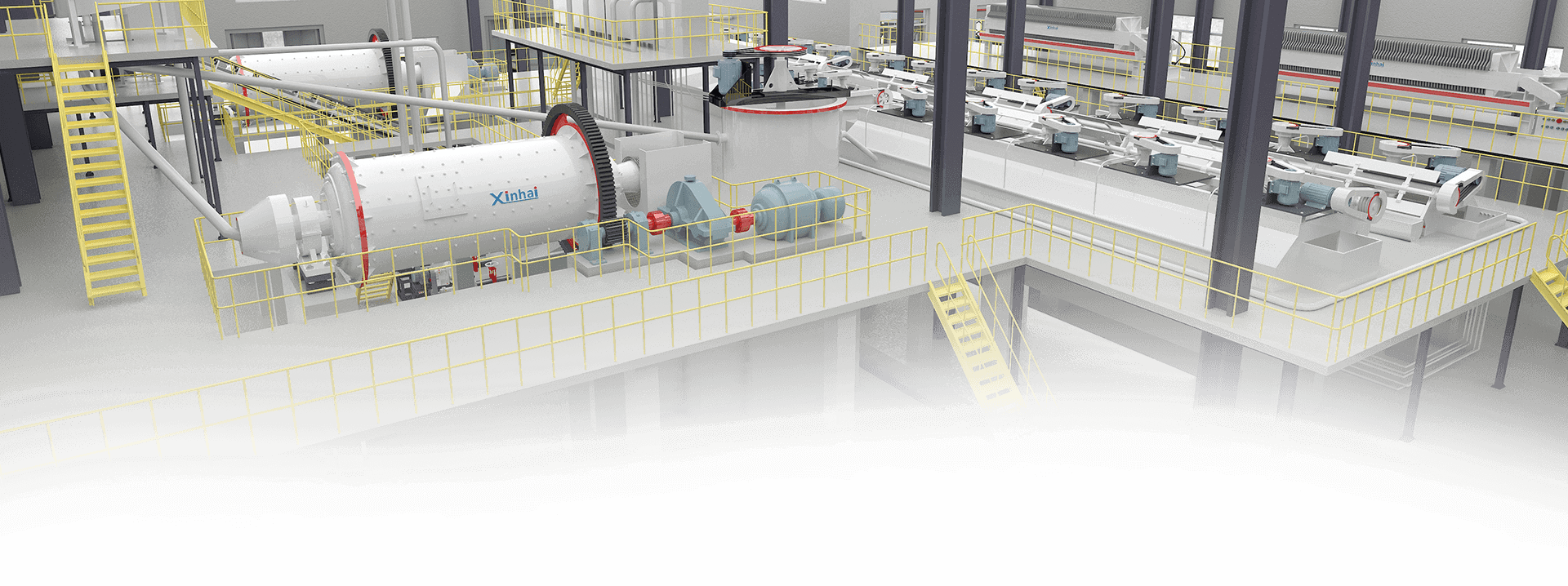
Hydrocyclones are commonly used for classification and desliming rather than direct gravity concentration. Removing excessive slimes can improve the performance of downstream gravity separators by reducing interference between fine gangue and valuable chromite particles. Pumps, slurry tanks, feeders, screens, and water systems are also important parts of a complete gravity separation plant. Stable feed density, flow rate, and particle size contribute significantly to consistent operation and concentrate quality.
04 Factors Affecting Chrome Ore Gravity Separation Efficiency
Back1. Particle Size and Liberation
Particle size is one of the most important factors affecting gravity separation results. If chromite remains locked with gangue, density-based separation becomes less effective because the particles behave as composite grains. Excessive grinding, however, can generate slimes that are difficult to recover. The optimum grinding size should therefore be determined through mineralogical analysis and laboratory testing. Proper liberation allows gravity equipment to separate valuable chromite more effectively while limiting unnecessary energy consumption.
2. Feed Density and Water Flow
The density of the feed slurry and the amount of water supplied to the separator can significantly influence separation performance. Excessively dense slurry may reduce particle movement and hinder stratification, while excessive water can carry valuable fine chromite into the tailings. Operators should maintain stable feed conditions and adjust water flow according to the equipment type and material characteristics. Regular monitoring can help maintain a consistent balance between chromite recovery and concentrate grade.
3. Recovery and Concentrate Grade
The performance of a chrome ore gravity separation circuit is commonly evaluated using indicators such as chromite recovery, concentrate grade, and tailings losses. Increasing recovery does not always produce the highest concentrate grade, so the operating objective should be clearly defined. Rougher, cleaner, and scavenger stages can be combined when necessary to improve overall results. Pilot testing and laboratory beneficiation tests are useful for determining the most suitable circuit configuration before commercial-scale installation.
05 Summary of Chrome Ore Gravity Separation
BackThe chrome ore gravity separation process generally involves ore preparation, crushing, grinding, classification, gravity concentration, and concentrate cleaning. Equipment such as jigs, spiral concentrators, and shaking tables can be selected or combined according to particle size, chromite liberation, feed characteristics, and production requirements. Careful control of feed conditions and circuit design is essential for achieving reliable recovery and concentrate quality while reducing chromite losses to tailings.
For a suitable chrome ore gravity separation plant and equipment quotation, contact a professional mineral processing equipment supplier for a customized solution!


RELATED PRODUCTS
-
Dry Magnetic Separator
-
Transportation Equipment
-
Centrifugal Separator