+8618335758886
 laura@xinhaimining.com



Gravity Separation for Gold Mining
 Laura
Laura
 Aug 27, 2026
 363
363
If you want to know more details about equipment, solutions, etc, please click the button below for free consultation, or leave your requirements!
 Message
 Chat Now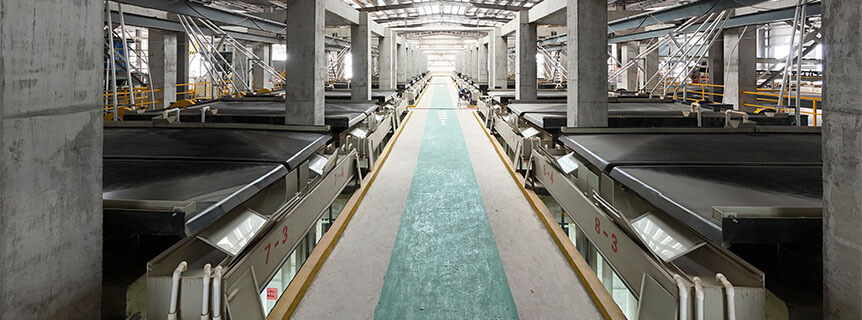
gravity separation - shaking tables
Gravity separation is one of the most effective and widely used methods for recovering gold from ore materials. Since gold has a much higher density than most common minerals, it can often be separated through physical processes that rely on differences in weight and movement behavior. Gold gravity separation provides an economical and environmentally friendly recovery solution because it requires fewer chemicals and lower energy consumption compared with some other extraction methods. This technique is applied in placer gold operations, hard rock mining, and modern mineral processing plants.
This article introduces gold gravity separation, including its working principles, equipment types, influencing factors, applications, and benefits in gold mining operations.
01 Principles of Gold Gravity Separation
Back1. Gold Density Advantage
The effectiveness of gold gravity separation comes from the naturally high density of gold compared with surrounding minerals. When crushed ore or alluvial materials are processed, gold particles behave differently from lighter gangue materials under gravity forces. Heavy gold particles tend to settle faster and remain concentrated, while lighter materials are carried away by water flow or other separation forces. This density difference allows mining operations to recover gold without relying entirely on chemical extraction processes.
2. Gold Particle Behavior
The size, shape, and liberation condition of gold particles directly influence gravity separation performance. Coarse free gold particles are generally easier to recover because they respond strongly to gravity forces. Fine gold particles can be more challenging because their movement is affected by water flow and other factors. Understanding gold particle characteristics helps engineers select suitable equipment and optimize processing conditions to improve recovery rates and minimize gold losses during operation.
3. Separation Process Stages
The gold gravity separation process usually involves several stages, including ore preparation, concentration, and concentrate recovery. Raw ore is first crushed and screened to achieve suitable particle sizes and improve gold liberation. The prepared material then enters gravity equipment where heavy gold particles are separated from lighter waste materials. Additional cleaning stages may be used to increase concentrate quality. Proper process design ensures efficient recovery while maintaining stable production performance.
02 Gold Gravity Separation Equipment
Back1. Jig Separator For Gold
Jig separators are widely used in gold mining because they can efficiently recover coarse gold particles from large volumes of material. The equipment creates repeated water pulsations that separate minerals according to density. Heavy gold particles move downward through the material layer and collect as concentrate, while lighter materials are removed. Jigs are particularly suitable for placer gold and coarse-grained gold deposits due to their high capacity, simple operation, and reliable recovery performance.
2. Shaking Table For Gold
Shaking tables are precision gravity separation machines commonly used for recovering fine gold particles. The equipment combines table vibration, water flow, and gravity to separate minerals according to density and particle size. As slurry moves across the inclined table surface, gold particles concentrate in specific collection areas while lighter materials are washed away. Shaking tables are often used as a cleaning stage because they can produce high-grade gold concentrates with excellent separation accuracy.
3. Spiral Concentrator For Gold
Spiral concentrators separate gold and other heavy minerals through the combined effects of gravity and centrifugal forces. Mineral slurry flows downward through a spiral channel, causing heavier particles to move toward the inner section while lighter materials move outward. Although commonly used for heavy mineral processing, spiral concentrators can also support gold recovery applications where suitable particle sizes and mineral conditions exist. Their simple structure, low maintenance requirements, and continuous operation make them valuable in large processing plants.
4. Centrifugal Gold Concentrator
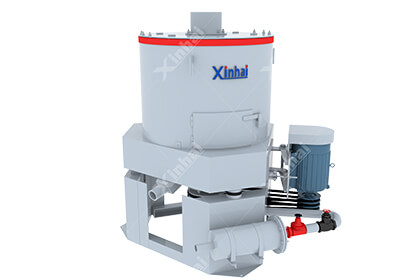
Centrifugal gold concentrators are advanced gravity equipment designed to recover fine gold particles that may escape traditional methods. By creating enhanced gravitational forces, these machines improve the separation of small gold particles from lighter materials. They are widely used in modern gold processing plants because of their high recovery efficiency and compact design. Centrifugal technology is especially useful for recovering fine free gold from ores where conventional gravity equipment cannot achieve sufficient performance.
03 Applications Of Gold Gravity Separation
Back1. Placer Gold Recovery
Gold gravity separation has a long history in placer gold mining, where gold particles are naturally concentrated in river sediments and alluvial deposits. Because placer gold is often already liberated from surrounding rocks, gravity methods can recover it efficiently with relatively simple equipment. Sluice systems, jigs, and other gravity machines are commonly used in these operations. This approach allows miners to recover gold using physical separation principles while maintaining low operating costs.
2. Hard Rock Gold Processing
Gravity separation is also applied in hard rock gold mining operations after crushing and grinding release gold particles from host rocks. In these applications, gravity equipment is often integrated with other processing methods to recover free gold before further treatment. Early gravity recovery reduces the amount of gold entering downstream processes and improves overall plant efficiency. Combining gravity concentration with flotation or other technologies can provide better recovery results for complex gold ores.
3. Gold Recovery Improvement
Modern gold processing plants often use gravity separation as part of a comprehensive recovery strategy. By capturing coarse and fine free gold at different stages, gravity equipment helps reduce losses in tailings and improve overall recovery rates. The method can also reduce dependence on chemical extraction, lowering operational costs and environmental concerns. Proper equipment selection, process optimization, and regular monitoring are essential for achieving consistent gold recovery performance.
04 Benefits And Future Development
Back1. Economic Advantages
Gold gravity separation provides significant economic benefits because it generally requires less energy and fewer consumable materials than many alternative recovery methods. Equipment operation is relatively simple, and maintenance requirements are often manageable. These advantages make gravity separation attractive for both small-scale mining operations and large commercial plants. By recovering gold earlier in the processing circuit, companies can reduce downstream costs and improve the overall profitability of gold mining projects.
2. Environmental Advantages
Environmental considerations are becoming increasingly important in the gold mining industry, and gravity separation offers several sustainability benefits. Since the process relies mainly on physical forces, it reduces the need for chemical reagents and lowers potential environmental risks. Reduced chemical usage also simplifies waste management and water treatment requirements. For mining companies seeking cleaner production methods, gold gravity separation provides an effective way to improve recovery while supporting responsible resource development.
3. Future Technology Trends
The future of gold gravity separation will continue to develop through improved equipment design, automation, and process control technologies. Advanced monitoring systems allow operators to optimize recovery conditions and improve operational stability. New equipment designs are also enhancing the recovery of fine gold particles that were previously difficult to capture. As gold resources become more complex and environmental requirements increase, gravity separation will remain an important technology for efficient and sustainable gold recovery.
05 Summary
BackGold gravity separation is an effective mineral recovery method that uses the natural density difference between gold and surrounding materials. Through equipment such as jig separators, shaking tables, spiral concentrators, and centrifugal concentrators, mining operations can recover gold efficiently while reducing costs and environmental impact. The success of the process depends on gold particle characteristics, equipment selection, and proper process optimization. With continuous technological improvements, gravity separation will remain a valuable solution for modern gold mining operations.
Contact our experts today to receive a customized gold gravity separation solution and obtain a competitive quotation.


RELATED PRODUCTS
-
Underground Auxiliary Equipment
-
Overflow Type Ball Mill
-
Underground Loading Equipment