+8618335758886
 laura@xinhaimining.com



Gravity Separation in Copper, Tin, and Tungsten Mining
 Laura
Laura
 Aug 28, 2026
 283
283
If you want to know more details about equipment, solutions, etc, please click the button below for free consultation, or leave your requirements!
 Message
 Chat Now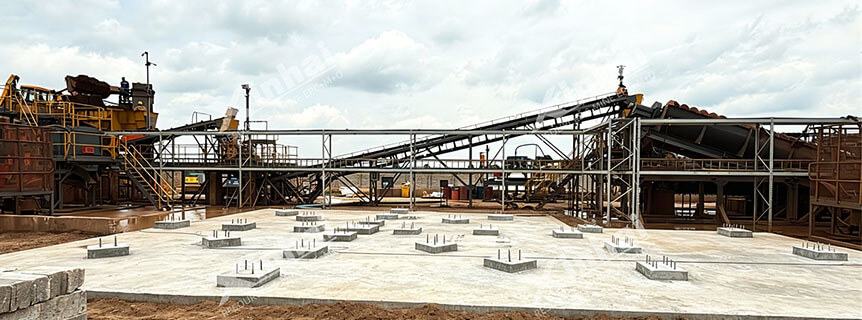
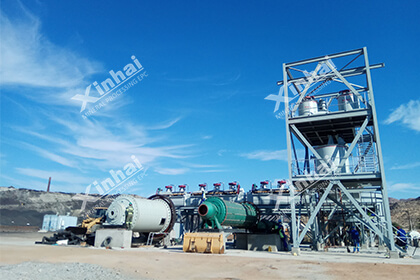
the construction of the beneficiation plant
Gravity separation is an important mineral processing method used for recovering valuable metals such as copper, tin, and tungsten. By utilizing differences in mineral density, this technology separates valuable particles from waste materials through physical forces rather than complex chemical reactions. Although copper, tin, and tungsten ores have different characteristics, gravity separation can provide effective concentration solutions when suitable mineral properties exist. Its advantages include simple operation, low energy consumption, and reduced environmental impact, making it widely applied in modern mining operations.
This article introduces gravity separation applications for copper, tin, and tungsten mining, covering processing principles, equipment types, benefits, and practical considerations.
01 Principles of Metal Gravity Separation
Back1. Density Difference Separation
The foundation of gravity separation in copper, tin, and tungsten mining is the difference in specific gravity between valuable minerals and surrounding gangue materials. Heavy minerals respond differently from lighter particles when exposed to gravity, water flow, or centrifugal forces. Tin and tungsten minerals are particularly suitable because they have high densities compared with common waste minerals. Copper ores may require additional considerations due to mineral composition, but gravity methods can still support the recovery of suitable copper-bearing minerals.
2. Mineral Liberation Importance
Mineral liberation plays a critical role in the success of gravity separation processes. Before separation, copper, tin, and tungsten ores usually require crushing and grinding to release valuable minerals from surrounding rocks. Proper liberation allows heavy mineral particles to move independently during processing, improving concentration efficiency. If valuable minerals remain attached to lighter materials, separation performance may decrease. Therefore, understanding ore characteristics and optimizing preparation stages are essential for achieving better recovery results.
3. Process Characteristics
Gravity separation offers a physical approach to mineral concentration that avoids extensive chemical treatment. During operation, valuable minerals are separated based on their natural movement behavior under controlled conditions. The process can be adjusted according to particle size, mineral density, and feed characteristics. For copper, tin, and tungsten mining, gravity methods are often integrated with other beneficiation technologies to improve overall recovery. This flexibility allows mining operations to design efficient processing systems for different ore types.
02 Gravity Separation For Copper Mining
Back1. Copper Ore Characteristics
Copper ores commonly contain valuable copper minerals mixed with various gangue materials. Unlike tin and tungsten, many copper minerals do not always have a large density difference from surrounding materials, which can limit the effectiveness of traditional gravity methods. However, gravity separation can still be useful for certain copper deposits, especially where coarse copper minerals are liberated and have suitable density differences. Careful mineral testing helps determine whether gravity concentration is an appropriate processing option.
2. Gravity Concentration Applications
In copper mining, gravity separation is often used as a pre-concentration method or combined with other beneficiation processes. Coarse copper minerals can sometimes be recovered before flotation, reducing the amount of material requiring further treatment. This approach helps improve processing efficiency and reduce operating costs. Gravity equipment such as jigs and shaking tables may be applied depending on ore conditions, particle size, and recovery objectives.
3. Benefits For Copper Processing
Using gravity separation in copper processing can provide several advantages when mineral conditions are suitable. Early recovery of coarse copper particles reduces losses and improves overall plant performance. The method requires relatively simple equipment and limited chemical input, supporting more economical operation. Although flotation remains widely used for many copper ores, gravity separation can provide additional recovery opportunities when integrated into a properly designed processing circuit.
03 Gravity Separation For Tin And Tungsten
Back1. Tin Ore Processing
Tin mining is one of the most common applications of gravity separation because cassiterite, the primary tin mineral, has a high density compared with most associated minerals. Gravity equipment can effectively concentrate cassiterite by separating it from lighter waste materials. Jigs, shaking tables, and spiral concentrators are widely used in tin processing plants. These methods help produce higher-grade concentrates while reducing the amount of material requiring further treatment.
2. Tungsten Mineral Recovery
Tungsten ores are also highly suitable for gravity separation because minerals such as scheelite and wolframite have significantly higher densities than typical gangue minerals. Gravity concentration is often used to upgrade tungsten ore after crushing and classification. Depending on particle size and mineral characteristics, different equipment combinations may be applied. The ability to recover tungsten through physical separation makes gravity methods an important part of many tungsten beneficiation plants.
3. Equipment Selection Factors
Selecting the right gravity separation equipment for tin and tungsten processing depends on several factors, including mineral size distribution, density difference, and production capacity. Coarse particles may be effectively treated with jigs, while fine minerals often require shaking tables or centrifugal concentrators. Spiral concentrators are commonly used for continuous processing applications. Proper equipment selection ensures better recovery efficiency, stable operation, and improved concentrate quality in tin and tungsten mining projects.
04 Equipment And Process Optimization
Back1. Jig Separators
Jig separators are widely used in copper, tin, and tungsten gravity separation circuits because they can handle large volumes of material. The equipment uses pulsating water movement to separate particles according to density. Heavy minerals move downward through the separation layer, while lighter materials are removed. Jigs are particularly effective for coarse mineral recovery and provide advantages such as simple operation, strong durability, and relatively low maintenance requirements.
2. Shaking Tables
Shaking tables are precision gravity separation machines commonly used for recovering fine tin and tungsten minerals. They combine table vibration, water flow, and gravity forces to achieve accurate separation. Heavy mineral particles move toward concentrate areas while lighter materials are washed away. Shaking tables are especially useful for producing high-quality concentrates during cleaning stages. Their ability to separate fine particles makes them valuable in mineral processing plants requiring high recovery accuracy.
3. Centrifugal Concentrators
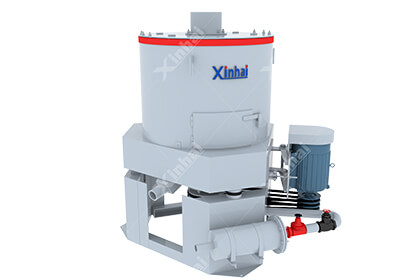
Centrifugal concentrators improve gravity separation performance by applying enhanced gravitational forces to mineral particles. These machines are useful for recovering fine heavy minerals that may not be effectively captured by traditional equipment. In tin and tungsten processing, centrifugal technology can improve recovery from fine particle fractions. The equipment is compact, efficient, and suitable for modern processing plants seeking higher recovery rates and improved resource utilization.
05 Summary
BackGravity separation plays an important role in copper, tin, and tungsten mining by using density differences to recover valuable minerals efficiently. Tin and tungsten ores are particularly suitable for gravity concentration due to their high mineral densities, while copper applications depend on specific ore characteristics. Equipment such as jigs, shaking tables, spiral concentrators, and centrifugal concentrators provides flexible solutions for different processing requirements. With proper ore preparation and equipment selection, gravity separation supports economical and sustainable mineral recovery.
Contact our specialists today to receive a customized gravity separation solution and obtain a competitive quotation for your mining project.


RELATED PRODUCTS
-
Hydraulic Cone Crusher
-
Magenetic Drum
-
Hydraulic Motor Driving Center Thickener