+8618335758886
 laura@xinhaimining.com



Gravity Separation vs Flotation: Which Mining Method Is Better?
 Laura
Laura
 Jul 20, 2026
 428
428
If you want to know more details about equipment, solutions, etc, please click the button below for free consultation, or leave your requirements!
 Message
 Chat Now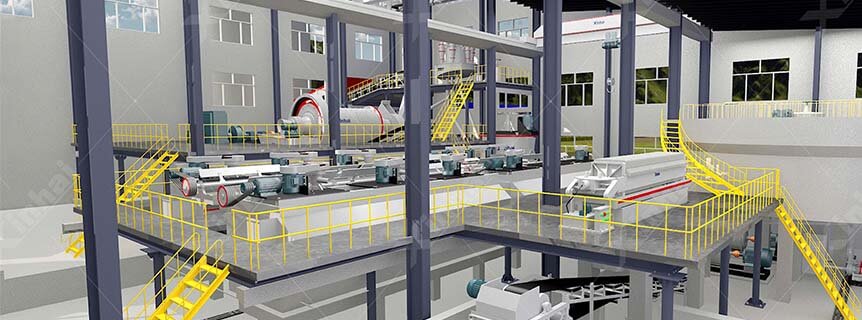
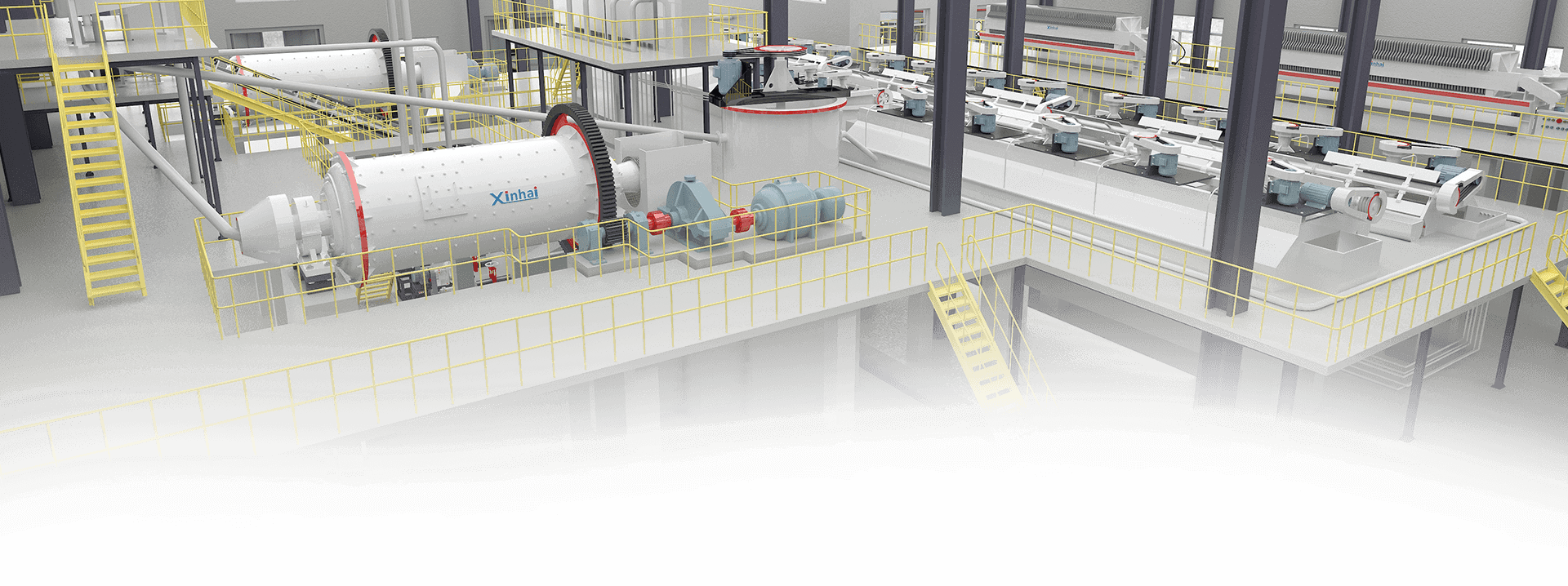
3D rendering of copper ore flotation plant
Gravity separation and flotation are two of the most important mineral processing methods used in the mining industry. Both technologies are designed to recover valuable minerals from ore, but they rely on completely different principles. Gravity separation uses differences in mineral density, while flotation depends on differences in mineral surface properties and chemical reactions. Choosing between these methods requires a detailed understanding of ore characteristics, recovery targets, operating costs, and environmental requirements.
This article compares gravity separation and flotation, explaining their principles, advantages, limitations, equipment requirements, and applications in modern mining operations.
01 Basic Principles of Two Methods
Back1. Gravity Separation Principle
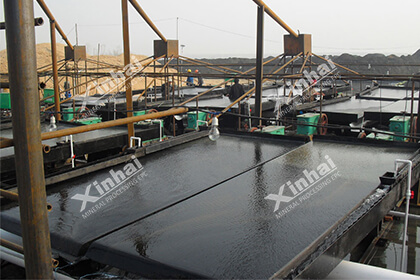
Gravity separation is a physical beneficiation method that separates minerals according to differences in specific gravity. During processing, heavier mineral particles respond differently from lighter materials when affected by gravity, water flow, or centrifugal forces. This allows valuable minerals to concentrate naturally without requiring chemical reagents. The method is especially effective for ores containing minerals with significant density differences, such as gold, tin, tungsten, chromite, and some iron ores.
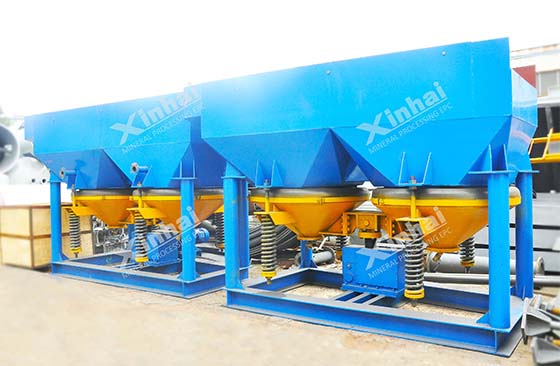
Gravity Separation - jigs
2. Flotation Separation Principle
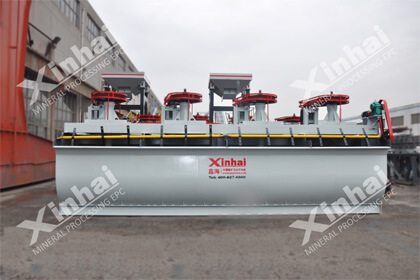
Flotation is a mineral processing method that separates materials based on differences in surface properties. During flotation, finely ground ore is mixed with water and chemical reagents that make certain mineral particles attach to air bubbles. These mineral-rich bubbles rise to the surface and form a concentrate layer, while unwanted materials remain in the slurry. Flotation is widely used for processing complex ores where valuable minerals have similar densities but different surface characteristics.
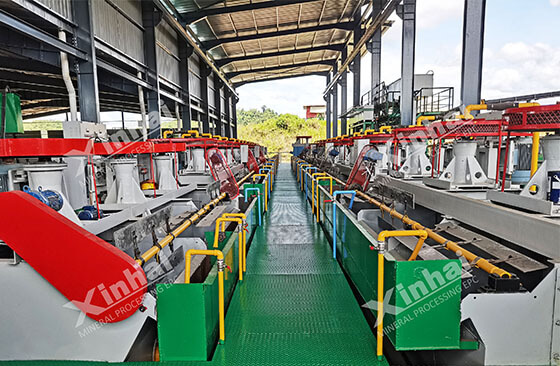
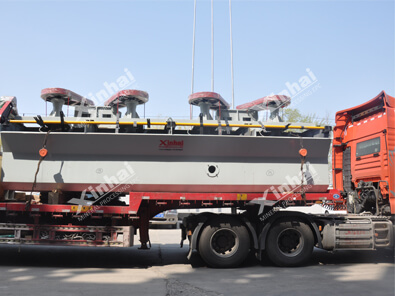
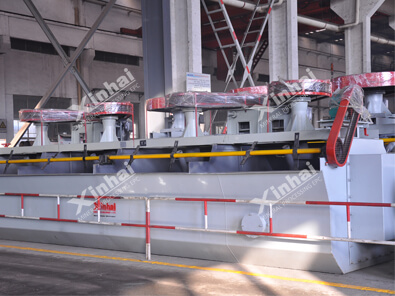
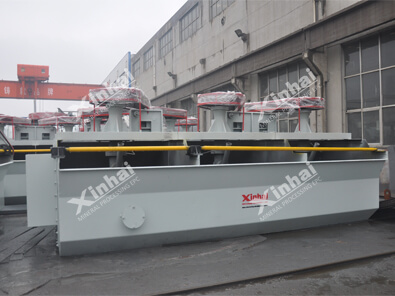
Flotation Separation - flotation cells
3. Main Process Differences
The biggest difference between gravity separation and flotation is the separation mechanism. Gravity separation relies mainly on physical forces, while flotation depends on chemical interactions between minerals, reagents, and air bubbles. Gravity methods usually require simpler equipment and fewer consumable materials, whereas flotation systems involve more complex chemical control. The choice between the two methods depends on mineral properties, processing goals, and economic considerations of each mining project.
02 Performance Comparison of Methods
Back1. Recovery Efficiency Comparison
Recovery efficiency is one of the most important factors when comparing gravity separation and flotation. Gravity separation performs exceptionally well when valuable minerals have a large density difference from waste materials. However, it may struggle with very fine particles or minerals with similar densities. Flotation can achieve high recovery rates for finely disseminated and complex ores because it selectively targets mineral surfaces. In many cases, mining plants combine both methods to maximize overall mineral recovery.
2. Equipment Requirements Comparison
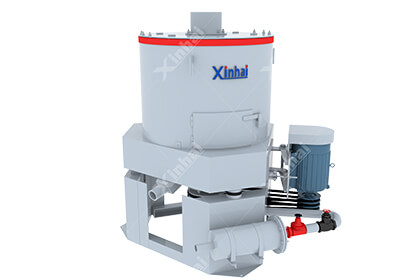
Gravity separation equipment generally has a simpler design compared with flotation systems. Machines such as jigs, shaking tables, spiral concentrators, and centrifugal concentrators mainly depend on mechanical movement and water flow. Flotation plants require additional equipment, including flotation cells, reagent systems, air supply units, and control systems. Because of this difference, gravity separation usually has lower installation and maintenance requirements, while flotation provides greater flexibility for treating complex mineral deposits.
3. Operating Cost Comparison
Operating costs vary significantly between gravity separation and flotation. Gravity separation typically consumes less energy and requires fewer additional materials because it does not depend heavily on chemical reagents. Flotation operations often involve higher costs due to reagent consumption, air systems, and water treatment requirements. However, flotation may provide better economic returns when processing difficult ores with valuable fine minerals. Cost evaluation should consider both recovery performance and long-term operating expenses.
03 Application Suitability Comparison
Back1. Suitable Ores for Gravity
Gravity separation is most suitable for ores where valuable minerals have noticeably higher density than surrounding materials. Gold, tin, tungsten, chromite, and certain iron ores are common examples. The method is particularly effective for coarse and free mineral particles that can separate easily under gravity forces. Gravity equipment is often used as an early recovery stage to remove valuable minerals before additional processing, helping reduce the workload of downstream treatment systems.
2. Suitable Ores for Flotation
Flotation is preferred for complex ores where valuable minerals are finely distributed or have similar densities to waste materials. It is commonly used for copper, lead, zinc, nickel, and sulfide mineral processing. By controlling chemical conditions, flotation can selectively recover specific minerals from mixed ore materials. This ability makes flotation one of the most versatile beneficiation methods for modern mining operations, especially when physical separation methods cannot achieve sufficient recovery.
3. Combined Processing Applications
Many modern mineral processing plants do not rely on only one separation method. Gravity separation and flotation are often combined to achieve better recovery results. Gravity equipment may first recover coarse valuable minerals, reducing losses before flotation treatment begins. Flotation can then process finer particles that gravity methods cannot efficiently separate. This combined approach improves overall recovery, reduces processing costs, and creates a more efficient beneficiation flowsheet for complex mineral resources.
04 Choosing the Better Method
Back1. Considering Mineral Characteristics
The most suitable processing method depends largely on the characteristics of the ore deposit. Engineers evaluate mineral density, particle size, liberation degree, mineral composition, and surface properties before selecting a separation technology. Gravity separation is ideal for density-based separation, while flotation is better suited for chemically responsive minerals. Detailed mineral testing and laboratory evaluation help determine whether one method or a combination of both technologies can provide the best processing results.
2. Evaluating Environmental Impact
Environmental performance is increasingly important in modern mining decisions. Gravity separation generally has environmental advantages because it uses fewer chemical reagents and produces less chemical waste. Flotation can still be managed responsibly through proper reagent selection, water recycling, and waste treatment systems. When comparing the two methods, mining companies must consider not only recovery performance but also sustainability requirements and environmental management responsibilities throughout the processing lifecycle.
3. Future Development Trends
Advancements in mineral processing technology continue to improve both gravity separation and flotation. Gravity equipment is becoming more efficient through automation, improved designs, and enhanced fine particle recovery capabilities. Flotation technology is advancing through better reagents, intelligent control systems, and improved process monitoring. Future mining operations will increasingly combine multiple technologies to process more complex ores while improving efficiency, reducing costs, and supporting more sustainable resource development.
05 Summary
BackGravity separation and flotation are both valuable mining methods, but they serve different processing requirements. Gravity separation offers simple operation, lower costs, and environmentally friendly mineral recovery based on density differences. Flotation provides higher selectivity for complex and fine-grained ores through chemical surface interactions. The better choice depends on ore properties, recovery objectives, and economic factors. In many modern mining plants, combining gravity separation and flotation provides the most effective solution for maximizing mineral recovery and improving processing efficiency.
Contact our specialists today to discuss your mineral processing requirements and obtain a customized quotation.


RELATED PRODUCTS
-
BF Flotation Cell
-
JJF Flotation Cell
-
SF Flotation Cell