+8618335758886
 laura@xinhaimining.com



Magnetic Separation in Feldspar Processing: A Complete Guide
 Laura
 Oct 31, 2026
 6
If you want to know more details about equipment, solutions, etc, please click the button below for free consultation, or leave your requirements!
 Message
 Chat Now
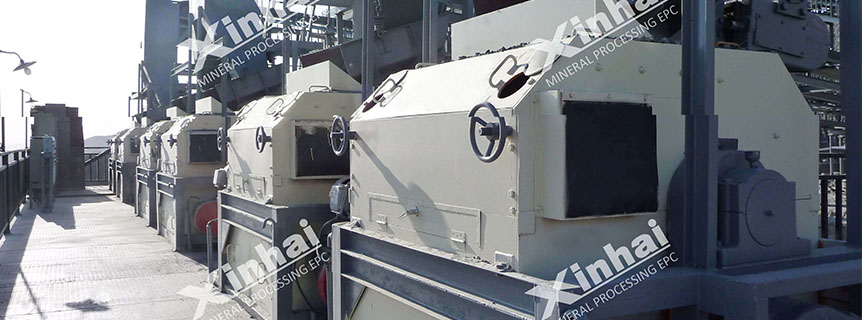
Magnetic Separation in Feldspar Processing - magnetic separator machine
Feldspar is an important industrial mineral widely used in glass manufacturing, ceramic production, tiles, and sanitary ware. However, natural feldspar ore often contains iron-bearing impurities such as hematite, magnetite, and other associated minerals that can reduce product quality. Excessive iron content may affect the color, transparency, and performance of finished glass and cer-sic products. Magnetic separation is therefore an important beneficiation technology for removing magnetic impurities and improving the commercial value of feldspar concentrate.
This guide explains the working principles of feldspar magnetic separation, common separation methods, essential equipment, and practical operating considerations. It also explores how to optimize magnetic separation efficiency and improve feldspar product purity.
01 Understanding Magnetic Separation in Feldspar Processing
BackMagnetic separation is a physical beneficiation technique that uses differences in magnetic susceptibility to separate valuable feldspar minerals from unwanted magnetic or weakly magnetic impurities. It is commonly applied after crushing, grinding, and classification to improve the quality of feldspar concentrate. The specific separation process depends on the magnetic properties of associated minerals, particle size, and impurity distribution. Selecting appropriate magnetic separation technology helps reduce iron contamination and improve the suitability of feldspar for industrial applications.
1. Why Is Magnetic Separation Important for Feldspar?
Iron-bearing minerals are common impurities in natural feldspar deposits. Even relatively small quantities of iron can negatively affect the color and quality of glass and ceramic products. Magnetic separation helps remove these contaminants without relying primarily on chemical reagents. By reducing iron content, processing plants can produce cleaner feldspar concentrate, improve product consistency, and meet the chemical specifications required by downstream manufacturers.
2. Common Magnetic Impurities in Feldspar Ore
Feldspar ore may contain several types of iron-bearing minerals, including magnetite, hematite, and certain iron-rich mica minerals. Magnetite is strongly magnetic and can generally be removed using low-intensity magnetic separators. Hematite and some other weakly magnetic minerals may require high-intensity magnetic separation. Understanding the magnetic characteristics and mineral associations of these impurities is essential for selecting suitable equipment and determining the appropriate separation conditions.
3. Factors Affecting Magnetic Separation Performance
Several factors influence feldspar magnetic separation efficiency, including magnetic field strength, particle size, feed concentration, material distribution, and separator design. Mineral liberation is particularly important because iron-bearing impurities locked inside feldspar particles may not be removed effectively. Appropriate grinding and classification can improve liberation before separation. Laboratory magnetic separation tests help identify suitable operating parameters and estimate the achievable impurity removal and feldspar recovery rates.
02 Main Magnetic Separation Methods Used in Feldspar Beneficiation
BackDifferent magnetic separation methods are used in feldspar processing according to the magnetic properties of unwanted minerals and the characteristics of the ore. Low-intensity magnetic separation is generally suitable for strongly magnetic impurities, while high-intensity separation targets certain weakly magnetic minerals. Magnetic separation can operate under wet or dry conditions, depending on particle size, moisture requirements, and processing plant design. Choosing the appropriate method is essential for achieving effective iron removal and maintaining stable production.
1. Low-Intensity Magnetic Separation
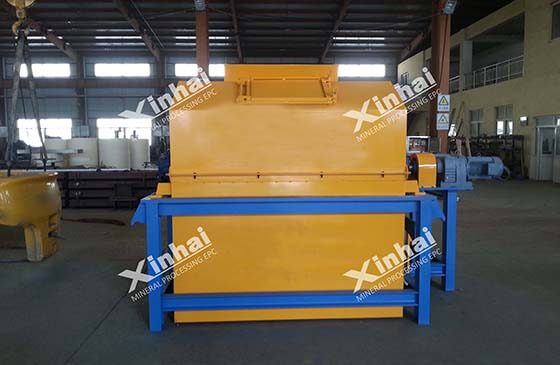
Low-intensity magnetic separation is commonly used to remove strongly magnetic minerals, particularly magnetite, from feldspar ore. The equipment generates a relatively low magnetic field that attracts strongly magnetic particles while allowing less magnetic materials to pass through. Magnetic drum separators are frequently used for this purpose. This method offers relatively simple operation and can reduce the concentration of strongly magnetic contaminants before the material enters more advanced beneficiation stages.
2. High-Intensity Magnetic Separation
High-intensity magnetic separation is designed to remove weakly magnetic impurities that cannot be effectively separated using conventional low-intensity equipment. Minerals such as certain iron-bearing silicates and hematite may respond to stronger magnetic fields. High-intensity magnetic separators are therefore widely considered in feldspar beneficiation circuits requiring higher product purity. The appropriate magnetic field strength and separator configuration should be determined through testing to balance impurity removal and valuable mineral recovery.
3. Wet Magnetic Separation
Wet magnetic separation processes feldspar slurry through a magnetic field to capture magnetic and weakly magnetic impurities. It is particularly useful when the ore has been finely ground and contains particles that are difficult to handle efficiently in dry systems. Wet high-intensity magnetic separators can improve the removal of certain fine iron-bearing minerals. However, slurry concentration, water flow, particle size, and feed stability must be controlled to maintain consistent separation performance.
4. Dry Magnetic Separation
Dry magnetic separation treats prepared feldspar particles without adding process water. It may be suitable for coarse or intermediate-sized materials and processing plants where water availability is limited. Dry magnetic separators can also be integrated into pre-concentration circuits to remove strongly magnetic contaminants before fine grinding. However, excessive moisture, dust, and inconsistent particle sizes may affect performance, so proper material preparation and equipment selection are important.
03 Feldspar Magnetic Separation Equipment and Processing Workflow
BackA successful magnetic separation circuit requires suitable equipment and effective coordination with upstream and downstream operations. The equipment configuration depends on ore characteristics, production capacity, target iron content, and whether wet or dry processing is preferred. A typical circuit includes crushing, grinding, classification, magnetic separation, and concentrate handling. Proper equipment selection and process integration help improve impurity removal, minimize feldspar losses, and maintain consistent product quality.
Essential Magnetic Separation Equipment
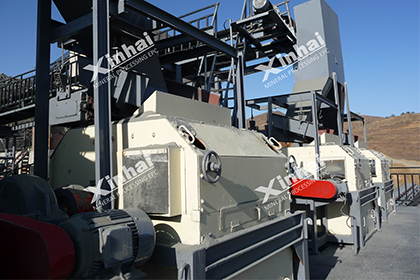
Common equipment used in feldspar magnetic separation includes magnetic drum separators, high-intensity magnetic separators, and wet high-intensity magnetic separation systems. Magnetic drums are suitable for strongly magnetic contaminants, while high-intensity systems can target weaker magnetic impurities. Supporting equipment may include vibrating screens, ball mills, hydrocyclones, slurry pumps, and material feeders. Each machine should be selected according to the required particle size, throughput, and separation performance.
Step 1: Crushing and Grinding
Raw feldspar ore first passes through crushing equipment to reduce large rocks into smaller particles. Jaw crushers are commonly used for primary crushing, while cone crushers may provide secondary size reduction. The crushed material then enters grinding equipment, such as ball mills, to achieve the required liberation size. Proper grinding is important because magnetic impurities must be sufficiently liberated from feldspar particles before effective separation can occur.
Step 2: Classification and Feed Preparation
After grinding, the material is classified according to particle size using vibrating screens or hydrocyclones. Excessive fine particles may be removed through desliming when they interfere with magnetic separation. For wet magnetic separation, the classified material is mixed with water to form a slurry with an appropriate concentration. Stable feeding and uniform material distribution help prevent uneven separation and improve the consistency of the magnetic separator's performance.
Step 3: Magnetic Separation and Concentrate Collection
Prepared feldspar enters the magnetic separator, where magnetic impurities are attracted and separated from the nonmagnetic product stream. Depending on the ore composition, one or several magnetic separation stages may be required. The resulting feldspar concentrate is collected for further treatment or dewatering, while the separated magnetic materials are discharged separately. Operators should regularly monitor feed conditions, separator performance, and product iron content to maintain stable operation.
04 How to Improve Feldspar Magnetic Separation Efficiency
BackImproving magnetic separation efficiency requires more than simply increasing magnetic field strength. Operators must consider mineral liberation, particle-size distribution, feed consistency, equipment configuration, and maintenance practices. An optimized process should achieve the required iron removal while maintaining high feldspar recovery and reasonable operating costs. Regular testing and performance monitoring help identify problems early and provide useful information for adjusting operating parameters and improving the overall beneficiation circuit.
1. Optimize Grinding Fineness and Mineral Liberation
Insufficient grinding may leave iron-bearing minerals locked inside feldspar particles, reducing separation efficiency. However, excessive grinding generates unnecessary slimes and increases energy consumption. Operators should conduct grinding and liberation tests to determine an appropriate particle-size range. Maintaining suitable grinding fineness helps expose unwanted minerals while avoiding excessive fine particles that may complicate subsequent magnetic separation and reduce processing efficiency.
2. Adjust Magnetic Field Strength and Feed Conditions
Magnetic field strength should match the magnetic properties of the impurities being removed. Stronger fields are not always better because inappropriate settings may increase the capture of unwanted non-target particles or reduce processing stability. Feed rate, slurry concentration, and material distribution should also be controlled. Regular sampling and laboratory analysis help operators determine whether the current settings achieve the desired iron removal and concentrate quality.
3. Maintain Equipment and Monitor Performance
Regular inspection and maintenance are essential for reliable magnetic separation operations. Operators should check magnetic components, separator surfaces, feeding systems, bearings, pumps, and other critical parts according to equipment requirements. Wear, blockages, and unstable feeding can reduce separation efficiency and increase downtime. Monitoring concentrate iron content, processing capacity, and feldspar recovery also helps identify performance changes and supports timely maintenance decisions.
4. Combine Magnetic Separation with Other Beneficiation Methods
Magnetic separation cannot remove every impurity found in feldspar ore, particularly nonmagnetic quartz and certain other associated minerals. For deposits containing multiple impurity types, it may be combined with flotation, washing, desliming, or gravity separation. For example, magnetic separation can remove iron-bearing minerals before flotation targets quartz or mica. A customized combined flowsheet based on laboratory testing can deliver better overall product quality and mineral recovery.
05 Summary of Magnetic Separation in Feldspar Processing
BackMagnetic separation is an important feldspar beneficiation method for removing iron-bearing and other magnetic impurities. Low-intensity, high-intensity, wet, and dry magnetic separation technologies serve different processing requirements. By selecting suitable equipment, optimizing grinding fineness, controlling feed conditions, and combining magnetic separation with other beneficiation methods when necessary, processing plants can improve feldspar purity and recovery. A well-designed separation circuit should always be based on ore characteristics, laboratory testing, and final product specifications.
Contact our mineral processing experts today to obtain a customized feldspar magnetic separation solution and equipment quotation for your project.


RELATED PRODUCTS
-
Hydraulic Cone Crusher
-
Rock Drilling Equipment
-
Zinc Powder Displacement Device