+8618234403483
 yanzhang19990421@gmail.com



How is Chrome Ore Mined? Mining Methods and Processing Guide
 Sheena
 Mar 11, 2026
 933
933
If you want to know more details about equipment, solutions, etc, please click the button below for free consultation, or leave your requirements!
 Message
 Chat Now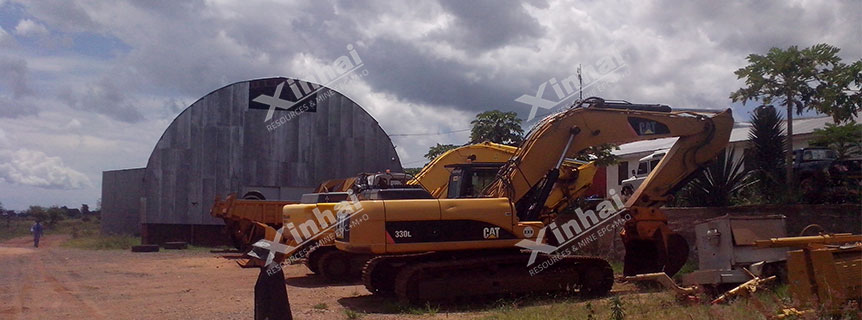
chrome-ore-mining-methods-and-processing-guide
Understanding how chrome ore is mined and processed is critical for investors, mining engineers, and project developers planning a chrome mining operation. This guide explains the geology of chromite deposits, mining methods, beneficiation processes, and key equipment used in chrome ore mining and processing plants.
01Types of Chrome Ore Deposits
BackBefore mining begins, geological exploration determines the deposit type, which directly influences the extraction method.
1.1 Stratiform Chromite Deposits
Stratiform deposits occur in layered igneous intrusions where chromite forms distinct seams within ultramafic rocks.
Characteristics:
Large and continuous ore bodies
High resource volumes
Typically mined underground
Example regions:
Bushveld Complex (South Africa)
Great Dyke (Zimbabwe)
1.2 Podiform Chromite Deposits
Podiform deposits occur in ophiolite complexes and are usually irregular in shape.
Characteristics:
Smaller ore bodies
Highly variable grade
Often mined using small-scale underground methods
Example regions:
Turkey
Albania
Oman
1.3 Alluvial Chrome Deposits
Weathering and erosion can release chromite from primary deposits, forming placer deposits in riverbeds or sedimentary environments.
Characteristics:
Loose material
Easier extraction
Suitable for gravity separation
02Chrome Ore Mining Methods
BackThe mining method selected depends on deposit depth, ore body geometry, and economic considerations.
2.1 Open-Pit Chrome Mining
Open-pit mining is used when chromite deposits are located near the surface.
Mining Process
Overburden removal – Soil and waste rock are stripped away.
Drilling and blasting – Rock is fractured for easier excavation.
Loading and hauling – Excavators and trucks transport ore to the processing plant.
Advantages
Lower mining cost
High production capacity
Safer working conditions
Limitations
Only applicable to shallow deposits
Environmental disturbance
Open-pit mining is widely used in large stratiform chrome deposits.
2.2 Underground Chrome Mining
When chrome ore bodies occur deep underground, underground mining methods are required.
Common Underground Methods
Room and Pillar Mining
Horizontal rooms are excavated
Pillars support the roof
Suitable for flat ore seams
Sublevel Stoping
Ore is blasted in stages
Broken ore falls to collection points
High productivity
Advantages
Access to deeper ore bodies
Less surface disturbance
Challenges
Higher operating costs
Ventilation and safety requirements
2.3 Alluvial Chrome Mining
Alluvial chromite mining targets secondary deposits formed by natural weathering and transportation.
Typical extraction methods include:
Excavation with excavators
Dredging in riverbeds
Hydraulic mining
Because chromite has high density, it can be easily recovered using gravity separation techniques.
03Chrome Ore Processing and Beneficiation
BackAfter mining, raw chrome ore must be processed to improve grade and remove impurities. The beneficiation process increases chromium concentration and produces a marketable chrome concentrate.
Typical Chrome Processing Flow
Crushing
Grinding
Screening
Gravity separation
Magnetic separation
Dewatering
The exact flowsheet depends on ore characteristics and grade.
04Crushing and Grinding
BackThe first stage of chrome ore processing is size reduction.
Primary Crushing
Large ore rocks are reduced using:
Jaw crushers
Gyratory crushers
Secondary Crushing
Further size reduction using:
Cone crushers
Impact crushers
Grinding
Grinding liberates chromite from surrounding gangue minerals using:
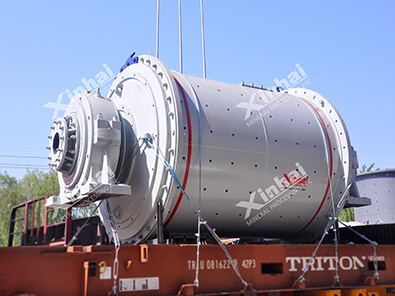
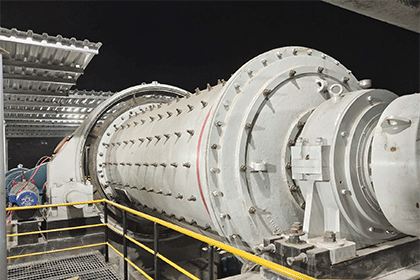
Ball mills
Rod mills
Proper grinding ensures that chromite particles can be effectively separated during beneficiation.
05Gravity Separation: The Core Chrome Beneficiation Method
BackBecause chromite has a higher specific gravity than most gangue minerals, gravity separation is the most widely used beneficiation method.
Common gravity separation equipment includes:
Spiral Chutes
Spiral concentrators separate particles based on density differences and centrifugal force.
Advantages:
Low operating cost
High capacity
Simple structure
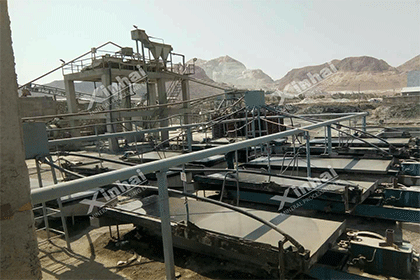
Shaking Tables
Shaking tables are effective for recovering fine chromite particles.
Advantages:
High separation accuracy
Suitable for small particle sizes
Jig Concentrators
Jigs use pulsating water flow to separate heavy minerals.
Advantages:
Good recovery for coarse particles
High throughput
Gravity separation is particularly effective for coarse chromite ores and alluvial deposits.
06Magnetic Separation
BackSome chromite ores contain iron-bearing gangue minerals that can be removed through magnetic separation.
Magnetic separation helps to:
Improve chromium grade
Remove magnetite impurities
Increase concentrate quality
Two types of separators are commonly used:
Low-intensity magnetic separators (LIMS)
High-intensity magnetic separators (HIMS)
Magnetic separation is usually used as a secondary beneficiation step after gravity concentration.
07Key Equipment Used in Chrome Ore Mining and Processing
BackA complete chrome mining operation involves a range of specialized equipment.
Mining Equipment
Drill rigs
Excavators
Dump trucks
Underground loaders
Crushing Equipment
Jaw crushers
Cone crushers
Impact crushers
Grinding Equipment
Ball mills
Rod mills
Beneficiation Equipment
Spiral chutes
Shaking tables
Jig machines
Magnetic separators
Dewatering Equipment
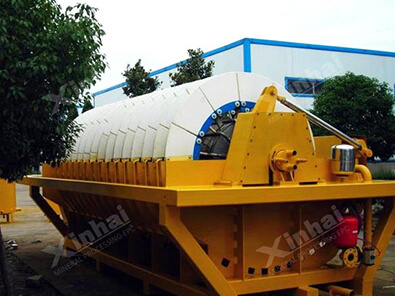
Thickeners
Filter presses
Selecting the right equipment is critical for achieving high recovery rates and stable plant operation.
08Environmental and Economic Considerations
BackModern chrome mining projects must balance profitability with environmental responsibility.
Important considerations include:
Waste Management
Tailings storage facilities
Water recycling systems
Energy Efficiency
Processing plants aim to reduce power consumption through optimized grinding circuits and gravity separation technologies.
Environmental Protection
Regulations require mining companies to minimize:
Land disturbance
Water pollution
Dust emissions
Sustainable mining practices help ensure long-term project viability.
09Conclusion
BackChrome ore mining involves a combination of geological exploration, efficient extraction methods, and advanced beneficiation technologies. Depending on the deposit type, chrome ore can be mined using open-pit mining, underground mining, or alluvial mining techniques.
Once extracted, the ore undergoes several processing stages, including crushing, grinding, gravity separation, and magnetic separation, to produce high-grade chrome concentrate suitable for industrial applications.
For mining companies and investors, understanding the complete chrome ore mining and processing workflow is essential for designing efficient operations and maximizing project profitability.


RELATED PRODUCTS
-
Overflow Type Ball Mill
-
Hydrocyclone Unit
-
Ceramic Vacuum Filter