+8618234403483
 yanzhang19990421@gmail.com



Five Core Questions to Clarify When Purchasing Ball Mills
 zeki
zeki
 Jul 30, 2026
 278
278
If you want to know more details about equipment, solutions, etc, please click the button below for free consultation, or leave your requirements!
 Message
 Chat Now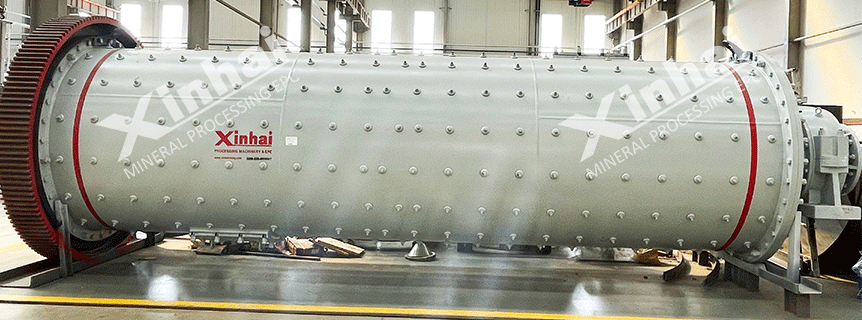
1800-×-6400-Overflow-type-Ball-Mill
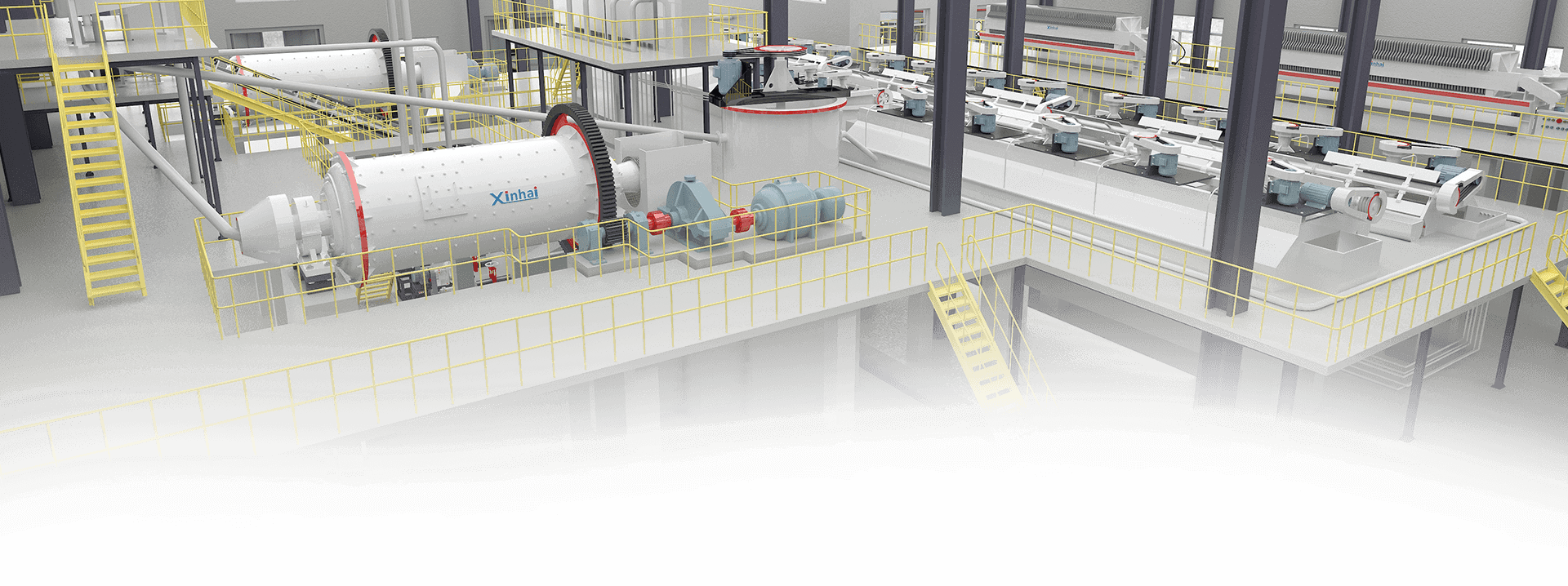
The ball mill is the highest energy-consuming core grinding equipment in mineral processing plants. Selecting the right model directly impacts mineral processing indicators. This article sorts out five key questions for equipment procurement and model selection for reference in mineral processing projects.
01What Core Functions Does Grinding Perform in Mineral Processing Circuits?
BackGrinding refines ore through impact and abrasion exerted by grinding media inside the cylinder to achieve mineral liberation of valuable minerals from gangue.
On one hand, it meets the particle size requirements of separation processes such as flotation and gravity concentration. Excessively coarse particles hinder separation, while over-grinding generates slimes and reduces recovery rates.
On the other hand, ball mills operate in closed-circuit grinding with classification equipment, returning coarse particles for regrinding to stabilize finished particle size and prevent locked particles containing metals from entering tailings.
02How to Distinguish Ball Mill Types and Match Them with Grinding Conditions?
BackHorizontal ball mills widely adopted in mining fall into two main categories: grate discharge and overflow discharge types.
1.Grate discharge ball mill: Forced discharge via grate plates enables fast material flow and high throughput, commonly used for primary coarse grinding.
2.Overflow discharge ball mill: Material is discharged via natural slurry overflow. Materials undergo longer grinding time to achieve finer product size, suitable for secondary fine grinding.
3.For dry grinding and ultra-fine grinding demands, dry ball mills or vertical stirred ball mills are available.
Non-ferrous metal beneficiation frequently adopts the two-stage grinding process: grate mill for coarse grinding + overflow mill for fine grinding.
03Which Factors Directly Affect Ball Mill Grinding Efficiency?
BackGrinding performance is restricted by three categories of conditions:
1.Ore properties
ore hardness, feed particle size, mud content;
2.Equipment parameters
cylinder length-diameter ratio, liner profile, ball filling ratio, operating rotational speed. Normal operating speed ranges from 65% to 80% of critical speed;
3.On-site operation
stable feeding, pulp density, and working efficiency of classification equipment. Feed fluctuation easily causes under-grinding or over-grinding.
04How to Select Grinding Media and Liners to Control Operation & Maintenance Costs?
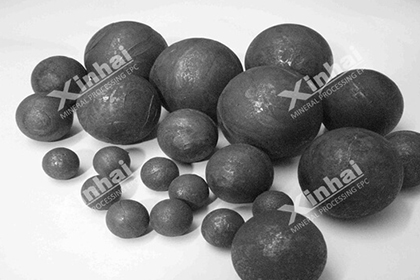
BackSteel balls and liners are major wear components. High-chromium alloy steel balls are preferred for coarse grinding of hard ores. Ceramic balls can be adopted for fine grinding scenarios where iron contamination must be strictly controlled. Reasonable grading of large and small balls balances crushing and abrasion effects.
Liners shall be selected according to working conditions: wave liners enhance impact effect for coarse grinding; classifying liners optimize discharge particle size. High-manganese alloy liners feature longer service life and reduce downtime for replacement.
05Common Operational Faults of Ball Mills and Their Causes
Back1.Mill overload (swollen belly) and reduced throughput:
Excessive feed, high pulp density, or blocked discharge passages.
2.Coarse discharge and insufficient mineral liberation:
Failure to replenish worn steel balls in a timely manner, insufficient classifier circulating load.
3.Overheating and abnormal noise of main bearings:
Lubrication failure, slurry intrusion into bearing bushes, improper assembly clearances.
4.Severe unit vibration and abnormal gear noise:
Loose liner bolts, abnormal gear meshing, uneven foundation settlement.
06Conclusion
BackBall mills account for the largest share of energy consumption in mineral processing production lines. Model selection cannot rely merely on price comparison. Comprehensive evaluation shall be conducted based on ore test data, process layout and long-term consumable costs. Priority should be given to equipment manufacturers with mineral processing testing capabilities to boost production capacity and cut overall production costs.


RELATED PRODUCTS
-
Bulldozer Equipment
-
Rotary Disc Vacuum Filter
-
XCF Air Inflation Flotation Cell