+8618335758886
 laura@xinhaimining.com



Ultimate Guide to Chrome Mining
 Laura
Laura
 Sep 30, 2026
 22
22
If you want to know more details about equipment, solutions, etc, please click the button below for free consultation, or leave your requirements!
 Message
 Chat Now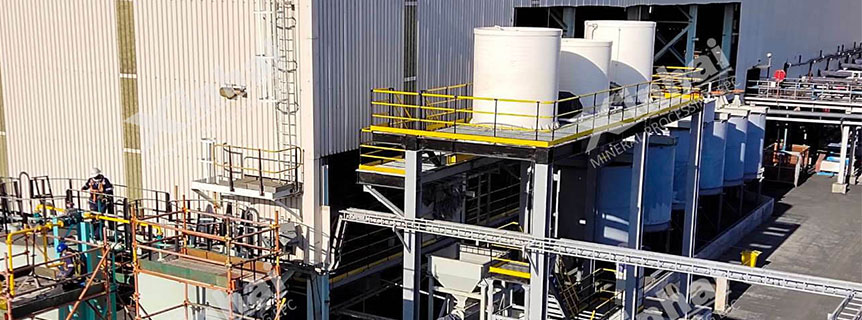
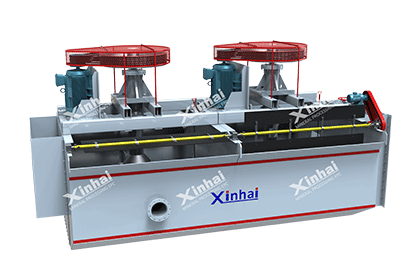
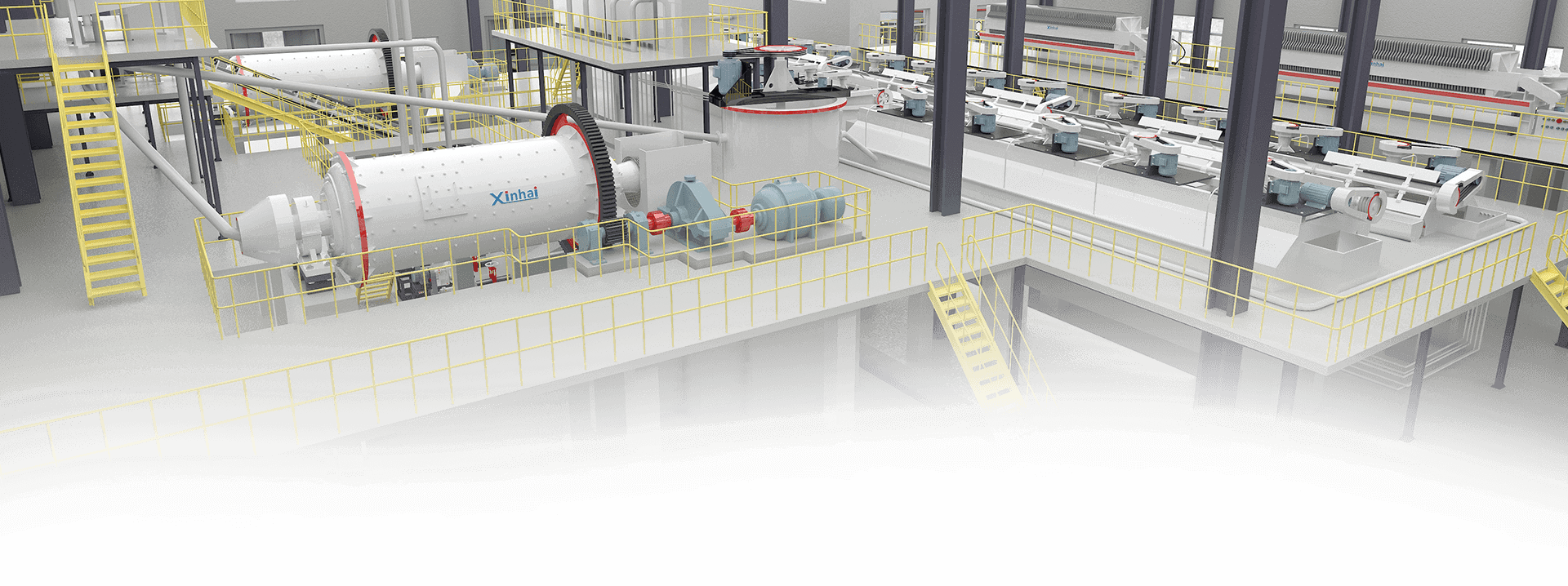
chrome ore flotation plant
Chrome mining, also known as chromite mining, is the process of extracting chromite-bearing ore from geological deposits and preparing it for further beneficiation and industrial use. Because chromite deposits vary considerably in depth, grade, mineral composition, and orebody structure, mining operations must be carefully planned around local geological conditions. A successful chrome mining project combines exploration, mine development, extraction, ore handling, and beneficiation to achieve efficient resource utilization while maintaining safe and controlled operations.
This guide explains the main stages of chrome mining, from exploration and extraction to ore handling and beneficiation, while introducing common mining methods, equipment, and important factors affecting production.
01 Chrome Ore Exploration and Mine Planning
Back1. Geological Exploration
Chrome mining begins with geological exploration to identify potentially economic chromite deposits. Exploration programs may include geological mapping, surface sampling, drilling, geophysical surveys, and laboratory analysis. These activities help determine the location, thickness, continuity, grade, and mineralogical characteristics of the orebody. Reliable geological information is essential because it provides the foundation for resource estimation and subsequent mine planning. Detailed exploration can also help identify variations in ore quality that may influence extraction and processing requirements.
2. Resource Evaluation
After exploration, geological data are used to estimate the quantity and quality of potentially recoverable chromite resources. Resource evaluation considers factors such as ore grade, deposit geometry, depth, rock characteristics, and continuity. Additional technical studies may examine mining conditions and metallurgical performance. The results help determine whether a deposit can support a viable mining operation. Accurate resource modeling is particularly important because it provides information needed to design extraction sequences and estimate future production.
3. Mine Planning
Mine planning determines how the chromite orebody will be developed and extracted. Engineers consider deposit depth, geological structure, production targets, infrastructure, equipment requirements, and environmental conditions. Depending on the orebody, operations may use open-pit, underground, or other specialized mining approaches. Mine plans establish excavation areas, access routes, production schedules, waste management systems, and ore transportation arrangements. Effective planning helps coordinate mining activities and provides a framework for maintaining consistent production.
02 Chrome Mining Methods and Equipment
Back1. Open-Pit Chrome Mining
Open-pit mining is commonly considered when chromite mineralization can be economically accessed from the surface. The operation typically involves removing overburden and waste rock to expose ore-bearing zones. Drilling and blasting may be followed by loading and hauling using excavators, loaders, and haul trucks. Mining progresses through designed benches that provide access to different sections of the orebody. The amount of waste removal required depends on deposit depth, geometry, and geological conditions.
2. Underground Chrome Mining
Underground mining can provide access to deeper chromite deposits where large-scale surface excavation may not be suitable. Access may be developed through shafts, declines, or adits, depending on site conditions. Underground operations can use drilling equipment, loaders, haulage systems, ground-support equipment, ventilation systems, and pumps. The selected mining method depends on orebody thickness, dip, continuity, rock stability, and production requirements. Careful underground planning is important for maintaining safe access and efficient ore extraction.
3. Chrome Mining Equipment
Chrome mining equipment varies according to the mining method, production scale, and geological conditions. Surface operations may use drilling rigs, excavators, loaders, haul trucks, bulldozers, and graders. Underground mines generally require compact drilling machines, loaders, underground vehicles, ventilation equipment, and ground-support systems. Crushers, screens, conveyors, feeders, and stockpile systems may also be used for ore handling. Equipment selection should consider capacity, operating conditions, maintenance requirements, energy consumption, and the characteristics of the orebody.
03 Chrome Ore Processing and Beneficiation
Back1. Crushing and Screening
After extraction, run-of-mine chrome ore is transported to the processing area for size reduction and classification. Crushing breaks large pieces of ore into smaller particles, while screening separates material according to size. Jaw crushers, cone crushers, and vibrating screens may be used depending on feed characteristics and production requirements. Proper crushing and screening help prepare the ore for subsequent beneficiation. The objective is to achieve suitable particle sizes while avoiding unnecessary generation of extremely fine material.
2. Grinding and Classification
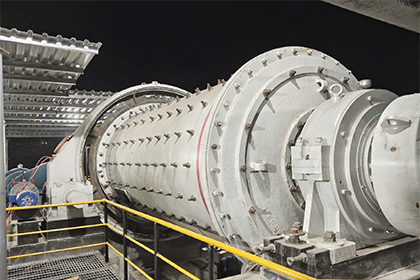
When chromite is closely associated with gangue minerals, grinding may be required to achieve sufficient liberation. Grinding reduces the particle size of the ore, allowing valuable chromite grains to become separated from surrounding minerals. Classification equipment, such as hydrocyclones, can then divide particles according to their settling characteristics. Grinding should be carefully controlled because excessive grinding can generate slimes that may be difficult to recover using conventional gravity separation equipment.
3. Gravity Separation
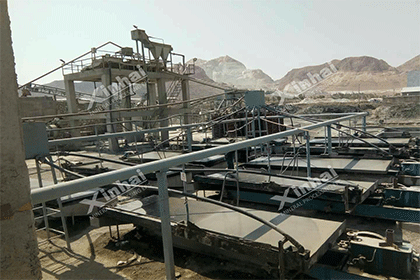
Gravity separation is an important beneficiation method for many chromite ores because chromite has a relatively high density compared with many associated gangue minerals. Equipment such as spiral concentrators, shaking tables, and jigs can separate particles based on differences in density and movement characteristics. The appropriate equipment depends on particle size, liberation, feed characteristics, and desired concentrate quality. Multiple gravity stages may be incorporated into a circuit to improve recovery and produce a higher-grade chromite concentrate.
4. Concentrate Cleaning
Following primary gravity separation, additional cleaning stages may be used to improve concentrate quality. Cleaner circuits can remove remaining lighter gangue minerals and reduce impurities in the chromite product. Depending on ore characteristics, gravity equipment and classification systems can be combined to achieve the required specification. The design of the cleaning circuit should balance concentrate grade and chromite recovery. Laboratory and pilot-scale beneficiation tests can provide valuable information for selecting an appropriate process configuration.
04 Chrome Mining Optimization and Sustainable Operations
Back1. Production and Recovery Control
Efficient chrome mining requires continuous monitoring of production performance and ore recovery. Operators can track feed grades, concentrate quality, recovery rates, equipment utilization, and material losses to identify areas requiring adjustment. Mining and processing operations should work together because changes in ore characteristics can affect downstream beneficiation performance. Consistent sampling and process monitoring provide useful information for maintaining stable production and improving the utilization of available chromite resources.
2. Safety Management
Safety management is an essential part of every chrome mining operation. Surface mines need to control risks associated with blasting, bench stability, mobile equipment, haulage routes, and heavy machinery. Underground operations require additional attention to ground stability, ventilation, confined spaces, transportation, and emergency access. Regular inspections, equipment maintenance, worker training, hazard identification, and emergency planning support safer mining operations. Safety procedures should be adapted to the specific geological and operational conditions of each mine.
3. Environmental Management
Chrome mining can involve land disturbance, waste-rock generation, dust, noise, water management, and other environmental considerations. Responsible mine planning incorporates measures to control these impacts throughout the mining lifecycle. Water management systems can help control runoff and process water, while dust suppression and properly managed waste facilities can reduce environmental risks. Progressive rehabilitation can also restore disturbed areas during or after mining. Environmental requirements should be considered from the initial planning stage through mine closure.
05 Summary of the Ultimate Guide to Chrome Mining
BackChrome mining involves a series of interconnected stages, including geological exploration, resource evaluation, mine planning, ore extraction, crushing, screening, beneficiation, and concentrate cleaning. Open-pit and underground methods can be selected according to deposit characteristics, while gravity separation is commonly used to upgrade liberated chromite. Successful operations also depend on appropriate equipment, process control, safety management, and environmental planning. A well-designed mining and beneficiation system can improve resource utilization and support stable chrome concentrate production.
Contact a professional mining equipment supplier to obtain a customized chrome mining equipment quotation for your project!


RELATED PRODUCTS
-
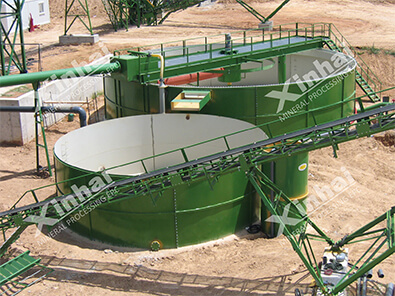
Hydraulic Motor Driving Center Thickener
-
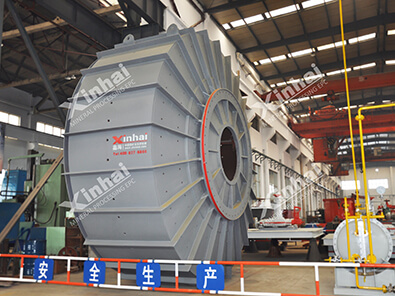
Autogenous Mill
-
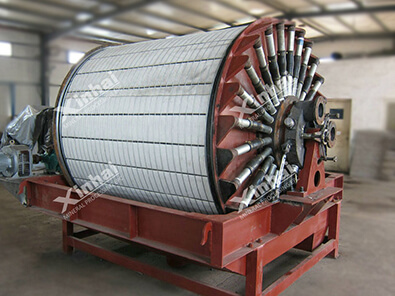
Drum Filter