+8618335758886
 laura@xinhaimining.com



7 Ways to Improve Phosphate Beneficiation Plant Performance
 Sheena
 Jun 12, 2026
 548
548
If you want to know more details about equipment, solutions, etc, please click the button below for free consultation, or leave your requirements!
 Message
 Chat Now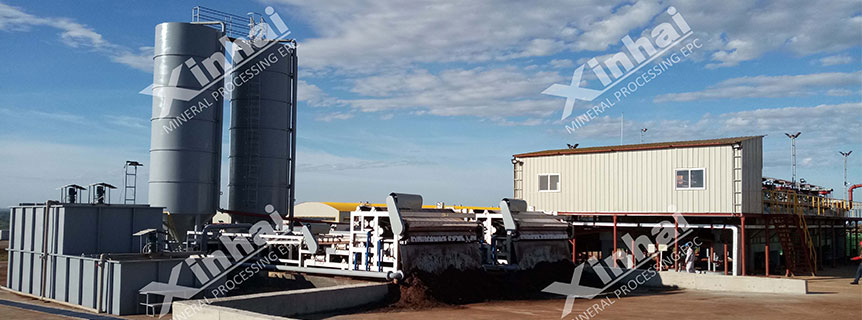
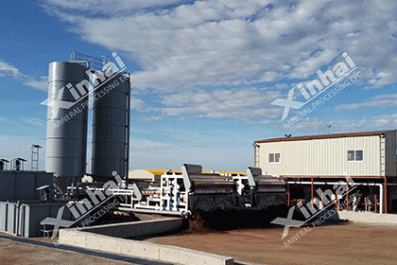
700tpd-Phosphate-beneficiation-plant-in-Uganda
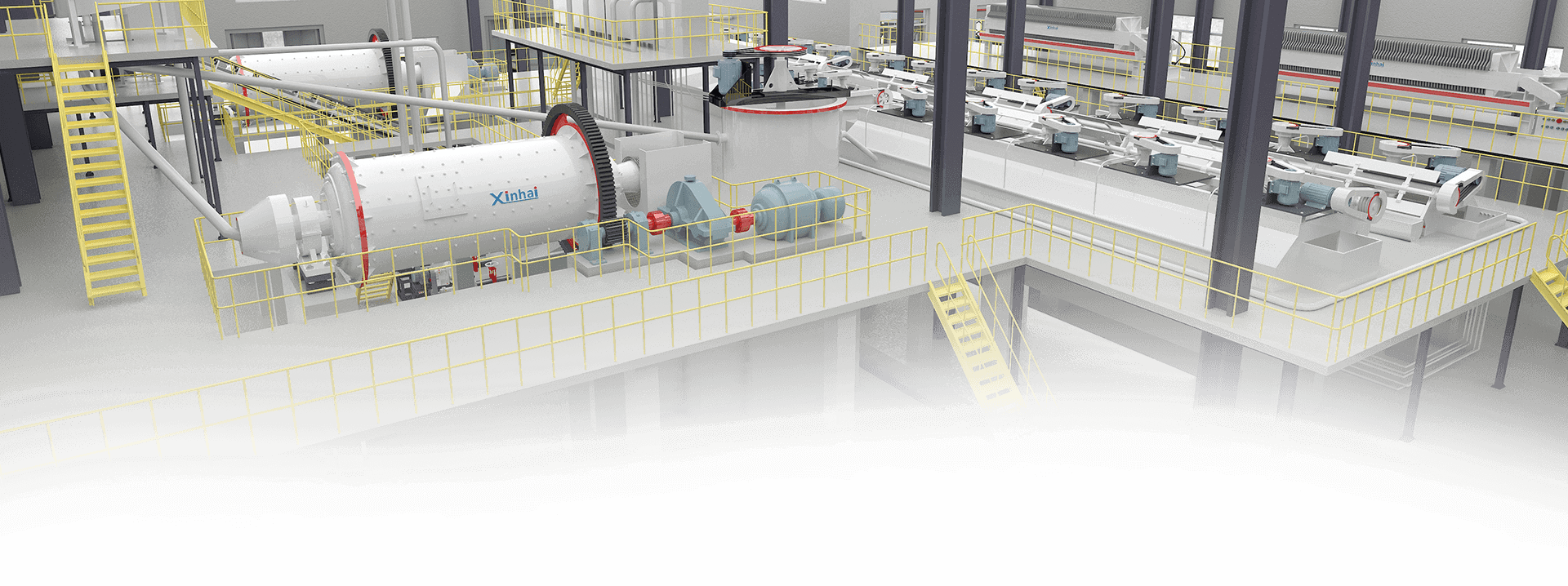
Phosphate beneficiation plays a crucial role in the production of high-grade phosphate concentrate for fertilizer, chemical, and industrial applications. However, many phosphate processing plants face challenges such as low recovery rates, high reagent consumption, excessive energy use, and unstable concentrate grades.
Improving phosphate beneficiation efficiency is not simply about increasing recovery. It also involves optimizing throughput, reducing operating costs, enhancing concentrate quality, and maximizing the economic value of the ore. This article outlines seven proven methods that can significantly improve the performance of a phosphate beneficiation plant.
01Conduct Detailed Ore Characterization Before Plant Design
BackMany beneficiation problems originate from an incomplete understanding of ore properties. Phosphate deposits vary widely in mineral composition, liberation size, and impurity content, making a one-size-fits-all process ineffective. A comprehensive mineralogical study helps identify the relationship between phosphate minerals and gangue minerals such as silica, carbonates, clay, and iron-bearing minerals. With accurate ore characterization, engineers can select the most suitable beneficiation process and avoid costly design errors.
Key benefits include:
Improved process selection
Better recovery predictions
Reduced operating risks
More stable plant performance
02Optimize Crushing and Grinding Circuits
BackLiberation is one of the most important factors affecting phosphate recovery. Insufficient grinding leaves phosphate minerals locked with gangue, while excessive grinding generates slimes that negatively affect flotation performance. Plant operators should continuously monitor particle size distribution and adjust grinding conditions accordingly. Modern classification equipment can help maintain an optimal grinding product size while reducing unnecessary energy consumption.
Optimization measures may include:
Improving crusher efficiency
Using high-efficiency hydrocyclones
Controlling grind size based on ore characteristics
Reducing overgrinding and slime generation
A properly optimized comminution circuit can significantly improve downstream beneficiation results.
03Improve Desliming Efficiency
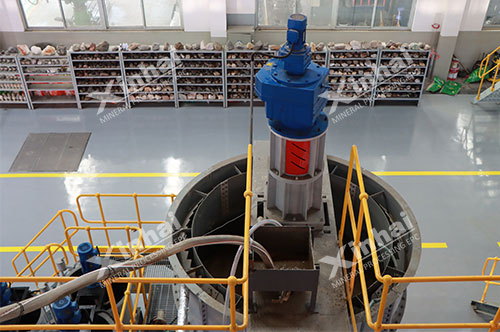
BackClay and ultrafine particles are among the most common challenges in phosphate beneficiation. Excessive slimes consume flotation reagents, reduce selectivity, and increase processing costs. Effective desliming before flotation removes fine clay particles and creates better conditions for phosphate separation. Depending on the ore characteristics, hydrocyclones, classifiers, or attrition scrubbing systems may be used to improve desliming performance.
Benefits of efficient desliming include:
Lower reagent consumption
Improved flotation selectivity
Higher concentrate grade
Increased overall recovery
04Optimize Flotation Reagent Schemes
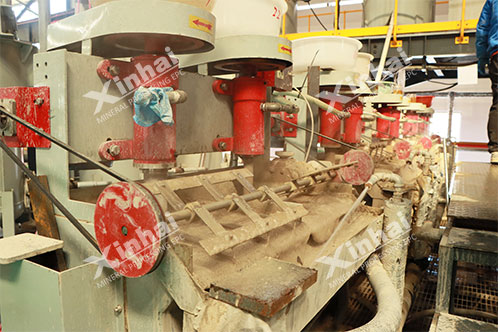
BackFlotation is the most widely used phosphate beneficiation method, making reagent selection a critical factor in plant performance. The effectiveness of collectors, depressants, frothers, and modifiers depends on ore composition and operating conditions. Regular reagent testing can help identify more efficient formulations and reduce chemical costs.
Plant operators should focus on:
Collector type and dosage optimization
pH control improvements
Selective gangue depression
Froth stability management
Even small improvements in reagent performance can generate substantial economic benefits over the life of a project.
05Upgrade Beneficiation Equipment
BackOutdated equipment often limits plant efficiency regardless of process design. Modern beneficiation equipment typically offers better separation performance, lower energy consumption, and improved automation capabilities.
Upgrading critical equipment may include:
High-efficiency flotation cells
Advanced hydrocyclones
Energy-saving grinding mills
Intelligent process control systems
Although equipment upgrades require capital investment, they often provide rapid payback through increased recovery and lower operating costs.
06Implement Process Automation and Real-Time Monitoring
BackModern phosphate beneficiation plants increasingly rely on automation to improve operational stability and reduce human error. Real-time monitoring systems can track key process parameters such as pulp density, particle size, reagent dosage, flotation recovery, and concentrate grade. Automated control systems can then make adjustments instantly to maintain optimal operating conditions.
Advantages of automation include:
More consistent concentrate quality
Reduced process fluctuations
Lower operating costs
Increased plant productivity
For large-scale phosphate projects, digital process control has become a major driver of efficiency improvement.
07Recover Valuable Minerals from Tailings
BackMany phosphate operations focus solely on improving primary recovery while overlooking the economic potential of tailings. Tailings often contain unrecovered phosphate minerals that can be economically recovered through process optimization, regrinding, or scavenger flotation. In some cases, associated minerals may also provide additional revenue opportunities.
Tailings recovery strategies can help:
Increase overall phosphate recovery
Extend mine life
Reduce waste disposal costs
Improve project profitability
As phosphate ore grades decline globally, maximizing resource utilization is becoming increasingly important.
08Which Method Delivers the Greatest Improvement?
BackThe most effective improvement strategy depends on the specific characteristics of the phosphate deposit and the existing plant performance. For plants experiencing low recovery rates, flotation optimization and grinding improvements often generate the greatest benefits. For operations struggling with high operating costs, desliming optimization and process automation may provide the fastest return on investment. In most cases, the best results come from a combination of multiple optimization measures rather than a single improvement initiative.
09Conclusion
BackImproving phosphate beneficiation efficiency requires a comprehensive approach that addresses ore characterization, grinding performance, desliming, flotation optimization, equipment selection, automation, and tailings recovery. By implementing these strategies, phosphate producers can achieve higher recovery rates, lower operating costs, and improved project profitability.


RELATED PRODUCTS
-
Excavating Equipment
-
KYF Air Inflation Flotation Cell
-
Zinc Powder Displacement Device