+8618234403483
 yanzhang19990421@gmail.com



A Complete Guide to Iron Ore Crushing and Grinding
 Laura
Laura
 Feb 15, 2026
 1062
1062
If you want to know more details about equipment, solutions, etc, please click the button below for free consultation, or leave your requirements!
 Message
 Chat Now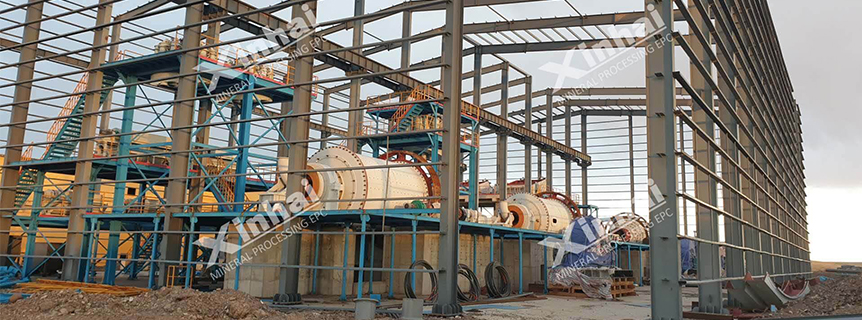
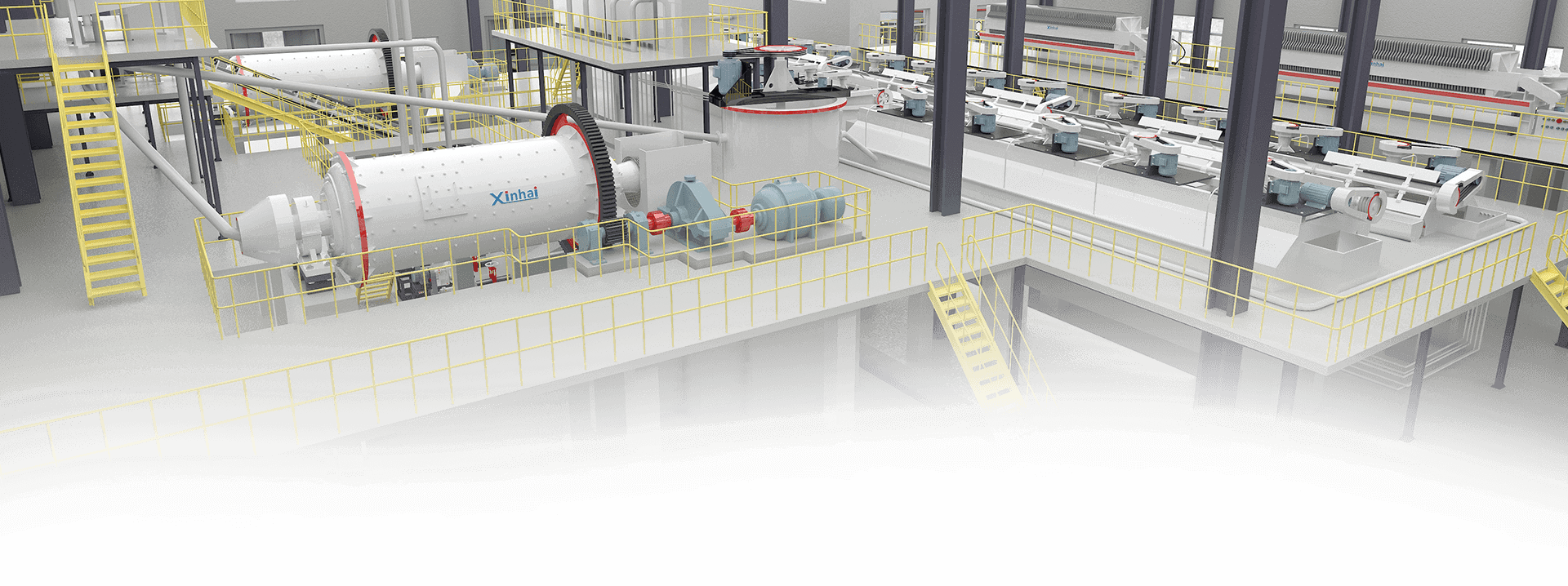
The operation of the iron ore ball mill
Iron ore crushing and grinding are fundamental steps in the mineral processing chain. These stages reduce raw mined ore into particles small enough to liberate iron minerals from waste rock, enabling efficient downstream separation and beneficiation. A well-designed crushing and grinding process improves recovery rates, lowers energy consumption, and enhances overall plant performance.
This guide explains how iron ore crushing and grinding work, the equipment involved, and best practices for optimization.
01What Is Iron Ore Crushing and Grinding?
BackCrushing and grinding are mechanical processes used to reduce the size of iron ore. Crushing breaks large rocks into smaller pieces, while grinding further reduces the material into fine particles suitable for mineral separation.
These processes are essential for:
Mineral liberation
Improved beneficiation efficiency
Consistent feed size for separation equipment
02Stage 1: Iron Ore Crushing Process
BackCrushing is the first step after mining. The goal is to reduce large ore blocks into manageable sizes for grinding.
1. Primary Crushing
Primary crushing handles run-of-mine iron ore using heavy-duty crushers such as:
Jaw crushers
Gyratory crushers
This stage typically reduces ore size to 150–300 mm.
2. Secondary Crushing
Secondary crushers further reduce ore size using:
Cone crushers
Impact crushers
Material is reduced to 40–70 mm and prepared for fine crushing or grinding.
3. Tertiary Crushing
Tertiary crushing produces finer material, often below 25 mm. Cone crushers and high-pressure grinding rolls (HPGR) are commonly used at this stage.
Benefits of multi-stage crushing:
Lower energy consumption
Improved size control
Reduced grinding load
03Stage 2: Iron Ore Grinding Process
BackGrinding follows crushing and produces fine particles necessary for effective separation.
1. Grinding Equipment Used
Common grinding mills include:
Ball mills
Rod mills
Autogenous (AG) mills
Semi-autogenous (SAG) mills
Water is often added to form a slurry, improving material flow and grinding efficiency.
2. Grinding Circuits and Classification
Grinding circuits operate in closed loop with classification equipment such as:
Hydrocyclones
Spiral classifiers
Fine particles move forward, while coarse particles return to the mill for further grinding.
04Crushing vs Grinding: Key Differences
BackAlthough closely related, crushing and grinding differ in function:
Crushing reduces large rocks into smaller fragments
Grinding produces fine particles for mineral liberation
Crushing uses compressive force, while grinding relies on impact and attrition
Understanding these differences helps optimize equipment selection and plant layout.
05Factors Affecting Crushing and Grinding Efficiency
BackSeveral factors influence performance:
Ore hardness and abrasiveness
Feed size and moisture content
Crusher and mill type
Equipment maintenance and liner design
Circuit configuration and control systems
06Modern Technologies in Iron Ore Crushing and Grinding
BackAdvancements in technology have improved efficiency and sustainability:
High-pressure grinding rolls (HPGR) for reduced energy use
Automated process control systems
Wear-resistant materials for longer equipment life
Energy-efficient motor and drive systems
07Energy Consumption and Cost Considerations
BackCrushing and grinding account for a significant portion of energy use in iron ore processing. Optimizing these stages can:
Reduce operational costs
Improve throughput
Minimize environmental impact
Energy audits and process simulations are commonly used to identify improvement opportunities.
08Best Practices for Optimizing Crushing and Grinding
BackTo achieve maximum efficiency:
Use staged crushing to reduce mill load
Maintain consistent feed size and flow
Select equipment based on ore characteristics
Implement real-time monitoring and control
Schedule regular maintenance
09Role of Crushing and Grinding in Iron Ore Beneficiation
BackEffective crushing and grinding improve liberation, allowing magnetic separation, gravity separation, or flotation to perform at optimal levels. Poor size reduction can lead to low recovery rates and increased operating costs.
10Conclusion
BackIron ore crushing and grinding are critical to successful mineral processing operations. By understanding each stage, selecting the right equipment, and applying modern technologies, mining operations can significantly improve efficiency, reduce costs, and produce higher-quality iron ore products.
A well-optimized crushing and grinding circuit forms the foundation of an efficient iron ore processing plant.


RELATED PRODUCTS
-
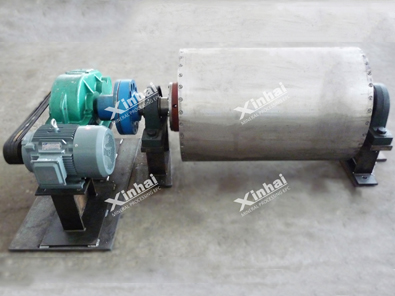
Magenetic Drum
-
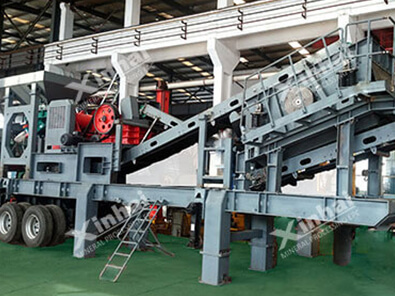
Mobile Crushing and Screening Equipment
-
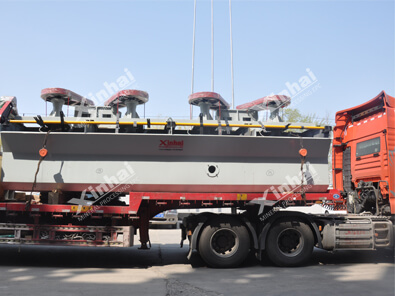
BF Flotation Cell