+8618234403483
 yanzhang19990421@gmail.com



Beginner's Guide to Chrome Ore Processing
 zeki
zeki
 Dec 30, 2025
 3186
3186
If you want to know more details about equipment, solutions, etc, please click the button below for free consultation, or leave your requirements!
 Message
 Chat Now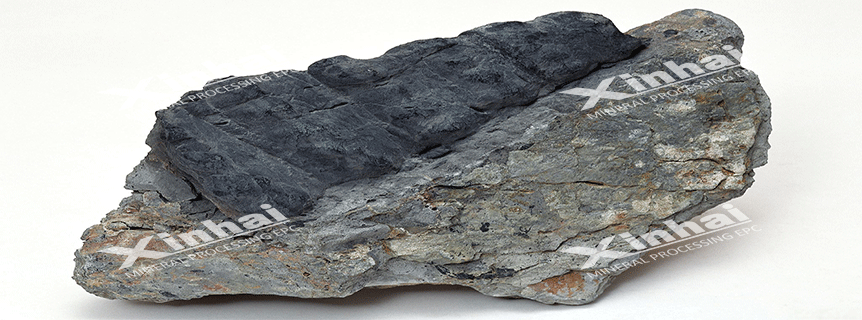
Chromium-ore
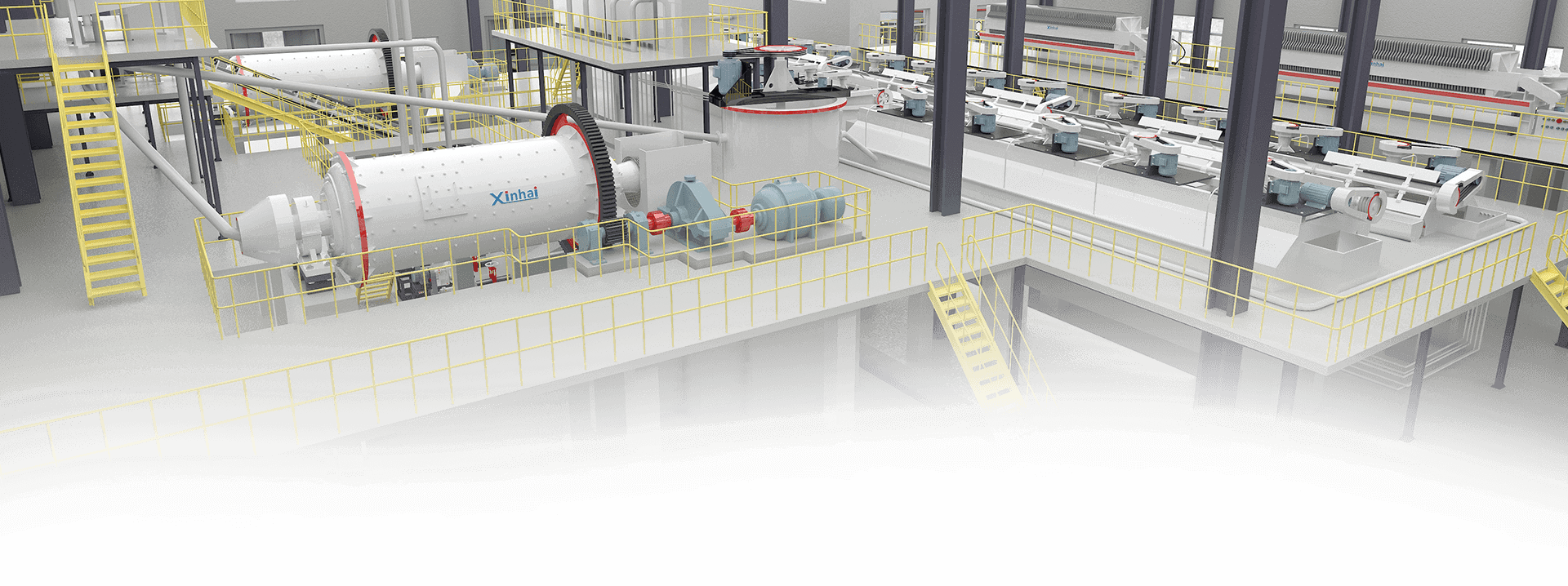
Chrome ore processing is the process of extracting valuable chromium components from ore, akin to separating rice from its husk. In simple terms, it primarily relies on three steps: first, "gravity separation" screens out the heavier chrome minerals; then, "magnetic separation" extracts the magnetic fraction; finally, complex ores undergo "flotation" for chemical treatment. The following sections provide a detailed look at the specific methods and key equipment involved in these steps.
01What is Chrome Ore
BackChrome ore refers to mineral resources primarily composed of chromium-bearing minerals and serves as the main source for extracting metallic chromium and its compounds. Chromium and its alloys hold significant industrial value, especially in stainless steel, alloy steel, refractory materials, and the chemical industry.
1. Main Components
The primary mineral in chrome ore is chromite, with the chemical formula FeCr₂O₄ (theoretically containing about 68% Cr₂O₃). It belongs to the spinel group. In practical ores, elements such as magnesium and aluminum often partially replace iron and chromium, forming an isomorphous series (e.g., magnesiochromite). Therefore, industrial chrome ores have complex chemical compositions, and their economic value primarily depends on the Cr₂O₃ content and the chromium-to-iron ratio (Cr/Fe).
2. Classification
Chrome ore is typically classified from two perspectives: industrial use and deposit genesis.
(1) Classification by Industrial Use:
Metallurgical-grade Chrome Ore: Has a high Cr₂O₃ content (generally ≥40%) and a high Cr/Fe ratio (≥2.5). Used for producing ferrochrome alloys, which are then used in smelting stainless steel, special steels, etc.
Chemical-grade Chrome Ore: Used for producing sodium dichromate, chromium trioxide, and other chemical products. Has relatively lower requirements for Cr₂O₃ content but requires control of impurities like silica and alumina.
Refractory-grade Chrome Ore: Used in manufacturing chrome bricks, magnesia-chrome bricks, and other refractory materials. Requires moderate Cr₂O₃ content but good high-temperature performance and low impurity content.
(2) Classification by Deposit Genesis:
Stratiform Chrome Deposits: Occur in layered mafic-ultramafic intrusions. They are large-scale and have stable distribution, e.g., the Bushveld Igneous Complex in South Africa, the Great Dyke in Zimbabwe.
Podiform Chrome Deposits: Occur in harzburgite within ophiolite suites. They are smaller in scale but high-grade, e.g., deposits in Kazakhstan, Turkey, Albania.
02Chrome Ore Processing Methods
Back1. Gravity Separation
This is the most widely applied and relatively low-cost method in chrome ore beneficiation, particularly suitable for ores with coarsely disseminated grains.
Principle: Separates chromite, which has high density (4.3-4.8 g/cm³), from gangue minerals with lower density (e.g., olivine ~3.2 g/cm³).
2. Magnetic Separation
Magnetic separation is a key step for improving the grade and recovery of chrome concentrate, often used in combination with gravity separation.
Principle: Utilizes the weak magnetism of chromite (magnetic susceptibility coefficient between (35–70) × 10⁻⁶ cm³/g), while common iron-bearing gangue minerals (e.g., magnetite) are strongly magnetic, and some gangue (e.g., olivine) is non-magnetic or very weakly magnetic.
3. Flotation
Primarily used for processing ores with finely disseminated grains, complex mineralogy, or those where gravity-magnetic combined methods fail to achieve ideal results.
Principle: By adding specific reagents, the difference in hydrophobicity between chromite and gangue mineral surfaces is altered, causing chromite particles to attach to air bubbles and float.
4. Processing of Special Ores
(1)High-Silica Chrome Ore:
Requires deep desilication, potentially using a combined flowsheet of gravity-magnetic separation and reverse flotation (floating silicate minerals).
(2)Chrome Ore Associated with Platinum Group Metals (PGMs) (e.g., the UG2 reef in South Africa):
Chromite itself is sometimes recovered as a by-product, with PGMs as the primary product, leading to more complex flowsheet design.
03Chrome Ore Processing Steps
Back1. Crushing and Grinding
Run-of-mine ore undergoes primary, secondary, and tertiary crushing. A strategy of stage grinding and stage separation is adopted, using gravity separation at coarser sizes to discard part of the tailings and gangue early, avoiding over-grinding, saving energy, and improving efficiency.
2. Pre-concentration by Gravity Separation
The ground product enters jigs or spiral concentrators for roughing, producing heavy sand concentrate and a large amount of tailings.
3. Cleaning and Separation
The heavy sand concentrate is reground and subjected to multiple cleaning stages using shaking tables or spiral concentrators. Shaking table concentrate typically already has a relatively high grade.
4. Purification by Magnetic Separation
The gravity concentrate enters high-intensity magnetic separators (HIMS) to further separate weakly magnetic chromite from non-magnetic residual gangue, obtaining the final concentrate. Middlings are returned for reprocessing.
5. Processing of Fine Fractions and Complex Ores
For slimes or refractory ores, the flowsheet may incorporate efficient gravity devices like centrifugal concentrators or belt concentrators, or add flotation as a final cleaning step or for chrome recovery from tailings.
04Equipment Required for Chrome Ore Processing
BackThe following is a brief overview of the main equipment required for each step in chrome ore beneficiation, listed in process order.
1. Crushing and Grinding
(1)Primary Crushing
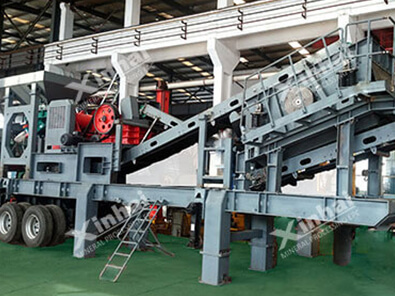
Jaw Crusher
(2)Secondary/Tertiary Crushing
Cone Crusher
(3)Grinding
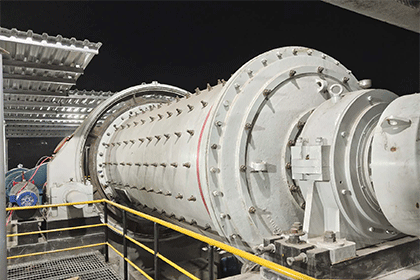
Ball Mill
2. Gravity Separation
(1) Pre-concentration & Roughing of Coarse/Medium Fractions:
Jig
Spiral Concentrator
(2) Cleaning & Recovery of Fine Fractions:
Shaking Table
Centrifugal Concentrator
3. Magnetic Separation
(1) Low-Intensity Magnetic Separation (LIMS)
Drum-type LIMS Separator:
Used in the front end of the circuit to remove strongly magnetic minerals (e.g., magnetite).
(2) High-Intensity Magnetic Separation (HIMS)
High-Gradient Magnetic Separator (HGMS):
Used for separating weakly magnetic chromite; crucial for upgrading and impurity removal.
4. Flotation
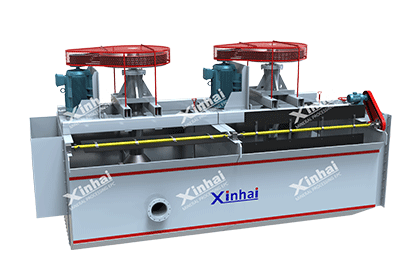
Mechanical Agitation Flotation Machine
Flotation Column
5. Dewatering
(1) Thickening:
Thickener (for settling and concentrating the slurry).
(2) Filtration:
Disc Vacuum Filter
Chamber Filter Press
05Conclusion
BackChrome ore beneficiation is a process centered around gravity separation (jigging, spirals, shaking tables) and magnetic separation (high-intensity magnetic separation). The ore is first crushed and ground, and chromite is separated from gangue by exploiting its high density and weak magnetic properties. For complex and refractory ores, flotation is used as a supplementary method. Future development focuses on fine particle recovery, intelligent process control, comprehensive resource utilization, and green, low-carbon processes, aiming to enhance efficiency, reduce costs, and achieve sustainable development.