+8618234403483
 yanzhang19990421@gmail.com



Guide to Sulfide Copper-Gold Ore Beneficiation
 Laura
Laura
 May 28, 2026
 260
260
If you want to know more details about equipment, solutions, etc, please click the button below for free consultation, or leave your requirements!
 Message
 Chat Now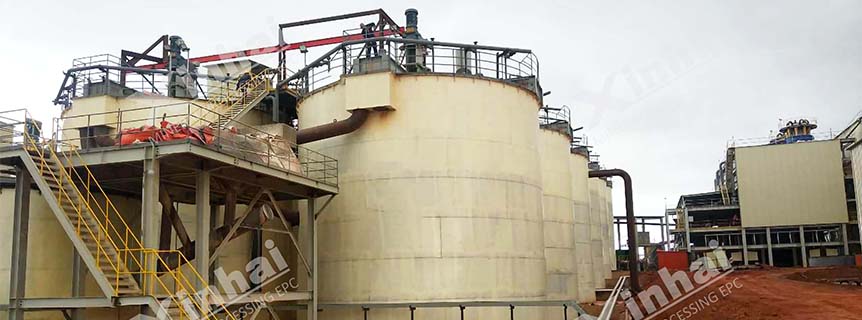
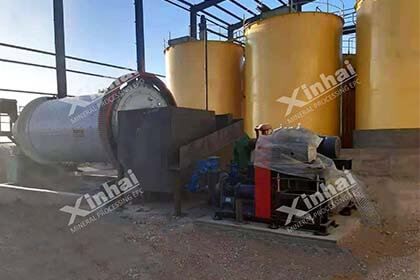
Guinea gold processing plant with 600tpd
01 Characteristics of Sulfide Copper-Gold Ore
Back1. Mineral Composition and Ore Properties
Sulfide copper-gold ores typically contain chalcopyrite, bornite, chalcocite, and pyrite. Gold is often associated with sulfide minerals and may occur as fine inclusions or free particles within the ore body.
The mineralogical structure of sulfide ores strongly affects beneficiation performance. Proper understanding of ore properties helps determine the most effective grinding and flotation conditions.
2. Challenges in Sulfide Ore Processing
One challenge in sulfide ore beneficiation is achieving complete mineral liberation during grinding. Insufficient liberation reduces flotation efficiency and lowers concentrate grade.
Another issue involves the presence of pyrite and other gangue minerals. These unwanted minerals may float together with valuable copper minerals, affecting concentrate quality and increasing processing costs.
02 Main Beneficiation Methods for Sulfide Copper-Gold Ore
Back1. Crushing and Grinding Process
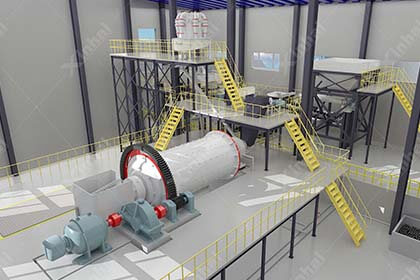
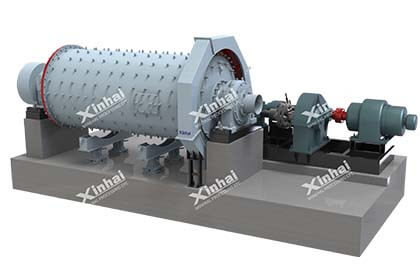
The beneficiation process begins with crushing and grinding to reduce ore size and liberate valuable minerals. Jaw crushers, cone crushers, and ball mills are commonly used in sulfide ore processing plants.
Proper grinding size is essential for efficient flotation recovery. Overgrinding can produce excessive slimes, while undergrinding may leave valuable minerals locked within gangue particles.
2. Flotation Separation Technology
Flotation is the primary beneficiation method for sulfide copper-gold ores. Collectors such as xanthates are added to selectively float copper sulfide minerals from gangue materials.
Frothers and pH regulators help stabilize the flotation environment and improve separation efficiency. Multi-stage flotation circuits are often used to achieve higher concentrate grades and metal recovery rates.
3. Gold Recovery from Sulfide Concentrates
Gold associated with sulfide concentrates can be recovered through cyanidation, gravity separation, or smelting processes. Fine gold particles are often extracted after copper concentrate production.
Some processing plants also apply regrinding and cleaner flotation stages to improve gold liberation. This helps maximize the overall economic value of the sulfide ore deposit.
03 Factors Affecting Beneficiation Efficiency
Back1. Ore Grade and Mineral Liberation
Ore grade plays a major role in determining beneficiation profitability and equipment selection. Higher-grade sulfide ores generally provide better recovery efficiency and concentrate quality.
Adequate mineral liberation is critical for successful flotation performance. Proper grinding control ensures that copper and gold minerals are sufficiently separated from waste materials.
2. Reagent Systems and Process Control
Flotation reagents directly influence sulfide mineral recovery and selectivity. Collectors, depressants, frothers, and activators must be carefully selected according to ore characteristics.
Modern automation systems help optimize reagent dosage and flotation conditions in real time. Stable process control improves recovery rates and reduces operating expenses.
3. Environmental and Economic Considerations
Sulfide ore beneficiation plants must balance production efficiency with environmental responsibility. Tailings treatment, water recycling, and emission control systems are increasingly important in modern mining operations.
Economic factors such as energy consumption, reagent costs, and maintenance requirements also affect process selection. Efficient plant design can improve profitability while reducing long-term operational risks.
04 Summary
BackSulfide copper-gold ore beneficiation involves a combination of crushing, grinding, flotation, and gold recovery technologies. Flotation remains the most important process for separating valuable sulfide minerals from gangue materials.
The efficiency of sulfide ore processing depends on ore characteristics, reagent selection, grinding size, and process optimization. With advanced beneficiation technologies and proper plant management, mining companies can achieve high metal recovery and maximize the value of sulfide copper-gold resources.