+8618234403483
 yanzhang19990421@gmail.com



How to Recover Sulfur from Coal Gangue?
 Sheena
 Aug 05, 2026
 424
424
If you want to know more details about equipment, solutions, etc, please click the button below for free consultation, or leave your requirements!
 Message
 Chat Now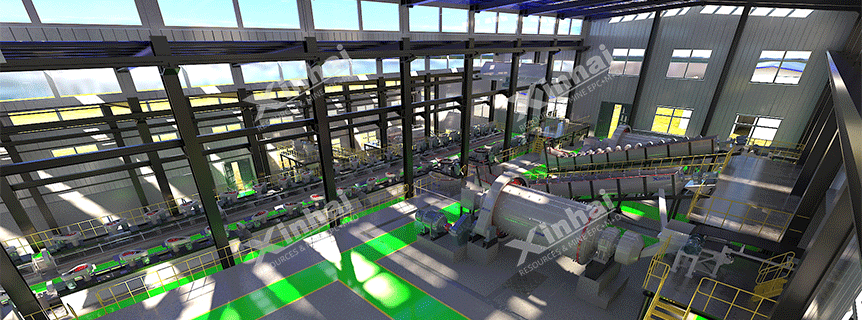
Coal-Gangue-Sulfur-Recovery-Process
Coal gangue has traditionally been regarded as a low-value by-product of coal mining. Large quantities are stockpiled every year, occupying land, increasing disposal costs, and creating long-term environmental challenges. However, not all coal gangue is simply waste. In many mining regions, coal gangue contains recoverable sulfur-bearing minerals—primarily pyrite (FeS₂)—that can be upgraded into sulfur concentrate through appropriate mineral processing technologies.
This article explains the sulfur minerals commonly found in coal gangue, the beneficiation process used for sulfur recovery, the equipment required, the factors affecting recovery efficiency, and the economic feasibility of building a coal gangue sulfur recovery plant.
01Why Recover Sulfur from Coal Gangue?
BackCoal gangue often contains varying amounts of sulfur-bearing minerals that were discarded during coal washing or mining operations. Instead of leaving these materials in waste dumps, many mining companies are exploring ways to recover valuable sulfur concentrate while reducing the environmental impact of tailings storage.
Recovering sulfur from coal gangue offers advantages beyond simply producing another saleable product. Sulfur concentrate can be used as a raw material for sulfuric acid production, chemical manufacturing, and other industrial applications. At the same time, removing sulfide minerals from coal gangue can reduce the risk of acid mine drainage and improve the environmental performance of mining operations.
The value of sulfur recovery depends largely on the sulfur grade, mineral composition, particle liberation characteristics, and local market demand. Before designing a recovery process, detailed mineralogical and metallurgical testing is essential.
Key benefits include:
Recovering valuable pyrite concentrate from mining waste
Increasing the overall utilization of coal resources
Reducing waste disposal volume and environmental liabilities
Creating additional revenue streams for mining companies
Supporting sustainable and circular mining practices
02What Sulfur Minerals Are Found in Coal Gangue?
BackThe recoverability of sulfur from coal gangue depends primarily on the type, abundance, and occurrence of sulfur-bearing minerals. Although total sulfur content is an important indicator, understanding how sulfur occurs within the material is far more important for process selection.
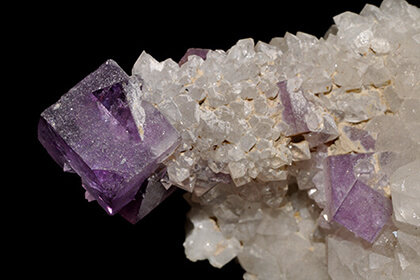
Pyrite (FeS₂) is the most common sulfur-bearing mineral found in coal gangue and is typically the primary recovery target. It often occurs as disseminated grains, fracture fillings, or aggregates associated with shale, sandstone, or carbonaceous materials. Depending on the geological conditions, pyrite may exist as coarse liberated particles or as finely disseminated inclusions that require fine grinding for effective separation.
In some deposits, marcasite, another iron sulfide mineral with the same chemical composition but a different crystal structure, may also be present. Although less common, marcasite generally exhibits flotation characteristics similar to pyrite. Minor sulfur-bearing minerals may also occur, but their contribution to sulfur recovery is usually limited.
The occurrence characteristics of these minerals directly influence grinding fineness, reagent selection, flotation performance, and the overall recovery rate. Therefore, comprehensive mineralogical analysis should always be conducted before selecting a beneficiation process.
03Coal Gangue Sulfur Recovery Process
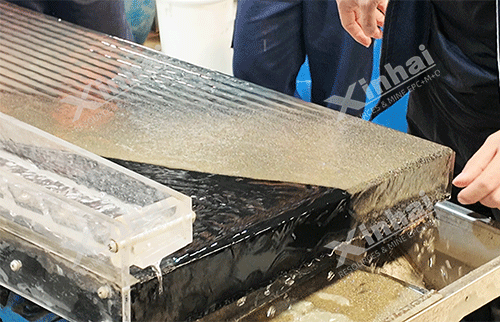
BackThe most widely adopted method for recovering sulfur from coal gangue is flotation, which separates sulfide minerals from gangue minerals based on differences in surface properties. Depending on ore characteristics, gravity separation or magnetic separation may be incorporated as pre-concentration or auxiliary processes, but flotation remains the core technology for most projects.
A typical sulfur recovery process includes the following stages:
1. Crushing
Run-of-mine coal gangue is first crushed to reduce the particle size for subsequent grinding. Multi-stage crushing helps improve feed uniformity while minimizing excessive energy consumption during milling.
2. Grinding and Classification
Grinding is one of the most critical stages because sulfur minerals must be sufficiently liberated from surrounding gangue before flotation. The grinding fineness should be optimized through laboratory testing, as overgrinding can produce excessive slimes that reduce flotation efficiency.
Hydrocyclones or classifiers are commonly used to separate qualified particles from oversized material, ensuring stable flotation feed.
3. Flotation
After conditioning with flotation reagents, sulfide minerals become hydrophobic and selectively attach to air bubbles inside flotation cells. These mineralized bubbles rise to the surface and form a froth layer that is collected as sulfur concentrate.
The flotation circuit generally consists of roughing, scavenging, and cleaning stages to maximize recovery while maintaining concentrate quality.
4. Concentrate Thickening and Filtration
The flotation concentrate contains a significant amount of water and must be dewatered before transportation or further processing. High-efficiency thickeners and filter presses are commonly used to produce a marketable sulfur concentrate with suitable moisture content.
5. Tailings Management
After sulfur recovery, the remaining tailings require proper disposal or further utilization. In some cases, desulfurized coal gangue can be reused as construction materials, backfill aggregate, or raw materials for bricks and cement, improving overall resource utilization.
04Equipment Used for Sulfur Recovery
BackEquipment selection has a direct impact on recovery efficiency, concentrate quality, operating costs, and plant reliability. Rather than selecting equipment based solely on capacity, engineers should consider mineral characteristics, plant throughput, and process requirements.
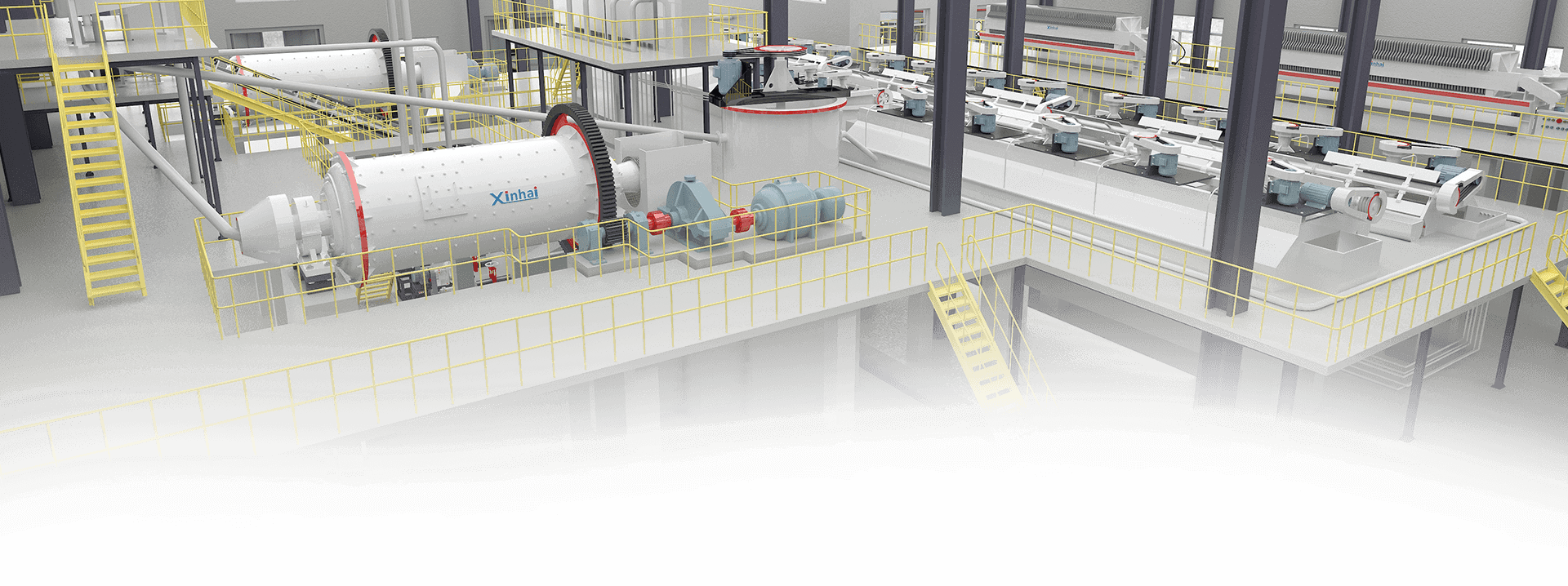
A typical coal gangue sulfur recovery plant may include:
Jaw Crusher for primary size reduction.
Cone Crusher or Hammer Crusher for secondary crushing when finer feed is required.
Ball Mill for mineral liberation through controlled grinding.
Hydrocyclone for efficient particle classification.
Agitation Tank for reagent conditioning before flotation.
Flotation Machine for recovering pyrite concentrate.
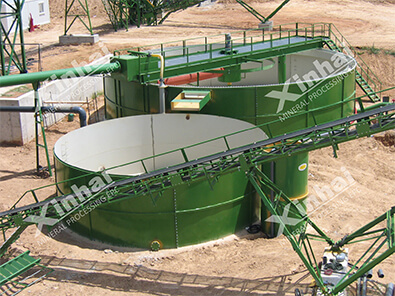
Thickener for concentrate dewatering.
Filter Press or Vacuum Filter for producing transportable sulfur concentrate.
Pumps, slurry pipelines, and process control systems to ensure continuous and stable operation.
Instead of focusing only on equipment specifications, plant designers should optimize the entire process flow to achieve the desired recovery rate while minimizing operating costs.
05Factors Affecting Sulfur Recovery
BackEven when processing similar coal gangue, sulfur recovery performance can vary significantly due to differences in mineralogy and operating conditions. Identifying and controlling the key influencing factors is essential for maintaining stable production and maximizing economic returns.
Mineral Liberation
Incomplete liberation prevents pyrite particles from separating effectively from gangue minerals. Appropriate grinding fineness is therefore one of the most important design parameters.
Sulfur Mineral Characteristics
The particle size, dissemination pattern, oxidation degree, and association with other minerals all influence flotation behavior.
Reagent System
Collectors, frothers, activators, depressants, and pH regulators must be selected according to the mineralogical characteristics. Proper reagent dosage can significantly improve both recovery and concentrate grade.
Grinding Fineness
Both undergrinding and overgrinding reduce flotation performance. Laboratory testing is necessary to determine the optimal particle size distribution.
Water Quality
Recycled water containing dissolved salts, suspended solids, or residual reagents may influence flotation chemistry and should be carefully managed.
Plant Operation
Stable pulp density, aeration rate, flotation time, and equipment maintenance all contribute to consistent recovery performance.
06How to Improve Sulfur Recovery Efficiency
BackImproving sulfur recovery is not achieved through a single adjustment but through systematic optimization of the entire beneficiation process. Modern mineral processing plants focus on maximizing recovery while maintaining concentrate quality and controlling operating costs.
Several practical measures can significantly improve plant performance:
Optimize grinding fineness to achieve adequate mineral liberation.
Select flotation reagents based on detailed mineralogical analysis.
Improve classification efficiency to reduce overgrinding.
Adopt multi-stage flotation circuits where appropriate.
Optimize pulp density, aeration, and flotation residence time.
Utilize automatic process control to stabilize plant operation.
Conduct regular metallurgical sampling and performance monitoring.
Continuous process optimization not only increases sulfur recovery but also reduces reagent consumption, energy usage, and overall operating costs.
07Conclusion
BackCoal gangue should no longer be viewed solely as a mining waste. In many deposits, it represents a valuable secondary resource capable of producing marketable sulfur concentrate through well-designed beneficiation processes. With appropriate mineralogical evaluation, flotation process optimization, and equipment selection, mining companies can recover pyrite efficiently while reducing environmental impacts and improving overall resource utilization.
Since every coal gangue deposit differs in sulfur content, mineral occurrence, and liberation characteristics, laboratory testing remains the foundation of successful plant design. Whether planning a new sulfur recovery project or upgrading an existing beneficiation plant, conducting detailed metallurgical studies and selecting an optimized process flow are essential steps toward achieving stable recovery rates and long-term economic returns.


RELATED PRODUCTS
-
Air Lifter
-
Magenetic Drum
-
Hydraulic Motor Driving Center Thickener