+86 183 3575 8886
 pinklaurabao@gmail.com



Alluvial Gold Mining: What Is Required to Develop a Successful Placer Gold Project?
 Sheena
 Feb 06, 2026
 797
797
If you want to know more details about equipment, solutions, etc, please click the button below for free consultation, or leave your requirements!
 Message
 Chat Now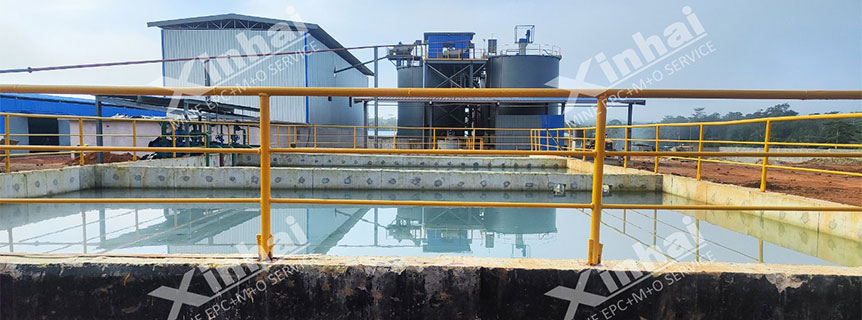
Ghana-500tpd-Gold-Mine-Mining-and-Processing-Plant
Alluvial gold mining, also known as placer gold mining, refers to the extraction of gold from riverbeds, floodplains, ancient river channels, and unconsolidated sediments. Unlike hard-rock gold mining, alluvial gold deposits are typically free-milling, requiring no drilling or blasting, which makes them attractive for low to medium capital investment projects.
However, profitable alluvial gold mining still depends on proper technical preparation, engineering design, and equipment selection. This article explains what needs to be prepared before developing an alluvial gold mining project, from geological investigation to plant construction and commissioning.
01Geological Investigation and Resource Assessment
Back1.1 Alluvial Gold Exploration Work
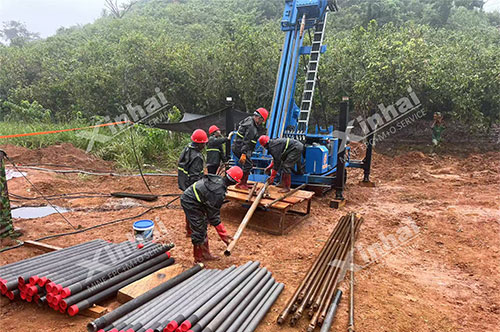
Although alluvial gold deposits are surface-based, systematic exploration is essential to avoid high operational risk. Typical exploration activities include:
Geomorphological and sedimentological studies
River channel mapping and terrace identification
Test pitting and trenching
Auger drilling or shallow boreholes
Bulk sampling for grade verification
The main objectives are to determine:
Gold particle size distribution (fine gold vs coarse gold)
Pay gravel thickness
Overburden characteristics
Gold grade (g/m³ or g/t)
1.2 Geological Exploration Report
The Geological Report summarizes:
Deposit type (river placer, floodplain placer, paleo-channel)
Resource estimation
Average and cutoff grade
Mining depth and stripping ratio
Recommended mining and processing methods
This report forms the technical basis for mine planning and investment decisions.
02Mining License and Regulatory Compliance
Back2.1 Legal Permits and Mining Rights
Before construction, project owners must secure:
Prospecting and mining licenses
Land access and water use permits
Environmental approvals
Regulatory requirements vary by jurisdiction, but early compliance is critical to avoid delays.
2.2 Environmental and Social Impact Assessment (ESIA)
Alluvial gold mining directly interacts with water systems, making environmental management a key issue. ESIA studies typically cover:
River diversion and restoration plans
Water recycling and sediment control
Tailings and waste management
Land rehabilitation and revegetation
Community engagement and safety
03Alluvial Gold Mining Engineering Design
Back3.1 Mining Method Selection
Common alluvial gold mining methods include:
Surface mining with excavators and loaders
Hydraulic mining (where permitted)
Dredging for river or submerged deposits
The choice depends on deposit depth, water availability, environmental restrictions, and production scale.
3.2 Mining Design Report
A formal Mining Design Report includes:
Mining area layout and sequence
Annual production capacity
Equipment fleet selection
Overburden stripping plan
Ore transport system (trucks, conveyors, slurry pumps)
This ensures efficient and controlled gold recovery.
04Alluvial Gold Processing Test Work and Flowsheet Design
Back4.1 Gold Beneficiation Test Work
Alluvial gold processing relies mainly on gravity separation, but gold recovery efficiency varies significantly depending on particle size.
Test work focuses on:
Gold liberation size
Fine gold recovery performance
Clay content and washing efficiency
Slurry concentration optimization
4.2 Processing Flowsheet Design
A typical alluvial gold processing plant includes:
Feeding and washing system
Screening and classification
Primary gravity recovery
Fine gold recovery system
Tailings discharge and water recycling
A well-designed flowsheet maximizes gold recovery while minimizing gold loss in tailings.
05Civil Works and Infrastructure Construction
Back5.1 Site Preparation and Infrastructure
Before plant installation, essential infrastructure must be completed:
Site leveling and access roads
Water supply and pumping system
Power supply (diesel generators or grid)
Gold room and security facilities
Maintenance workshop and storage areas
5.2 Civil Construction for Processing Plant
Civil works include:
Equipment foundations
Steel structures and walkways
Settling ponds and tailings channels
Drainage and flood protection works
Proper civil engineering ensures safe operation in wet and variable site conditions.
06Equipment Selection and Installation
Back6.1 Mining Equipment for Alluvial Gold
Typical mining equipment includes:
Excavators and wheel loaders
Dump trucks or slurry pumps
Bulldozers for site preparation
6.2 Alluvial Gold Processing Equipment
Key processing equipment may include:
Trommel screens or rotary scrubbers
Vibrating screens
Sluice boxes
Jig concentrators
Centrifugal gold concentrators
Shaking tables (for fine gold recovery)
Experienced equipment suppliers can provide modular or turnkey alluvial gold processing plants, reducing installation time and capital cost.
07Commissioning, Trial Operation, and Gold Production
Back7.1 Plant Commissioning and Optimization
Before full production:
Equipment commissioning is conducted
Water balance is adjusted
Gold recovery efficiency is optimized
Concentrate handling procedures are established
7.2 Operation and Mine Management
Long-term success depends on:
Skilled operators
Regular gold loss monitoring
Tailings inspection and maintenance
Continuous improvement of recovery rates
08Conclusion
BackAlluvial gold mining offers fast startup, flexible scale, and relatively low investment, but it is not risk-free. Profitable projects require:
Reliable geological data
Proper mining and processing design
Efficient gravity separation equipment
Strong environmental and operational management


RELATED POSTS
-
 zeki
May 22, 2026
zeki
May 22, 2026
Efficient Separation Technology and Practice of Quartz-type Fluorite Ore
read more -
 zeki
May 22, 2026
zeki
May 22, 2026
Properties of Zimbabwe Gold Ores and Their Impacts on Mineral Processing Technology
read more -
 zeki
May 21, 2026
zeki
May 21, 2026
Full Process Analysis of Iron Ore Beneficiation & Processing: From Run-of-Mine Ore to High-Grade Iron Concentrate
read more