+8618335758886
 laura@xinhaimining.com



Primary Guide to Equipment Selection for Open-Pit Mining
 zeki
zeki
 Mar 31, 2026
 1132
1132
If you want to know more details about equipment, solutions, etc, please click the button below for free consultation, or leave your requirements!
 Message
 Chat Now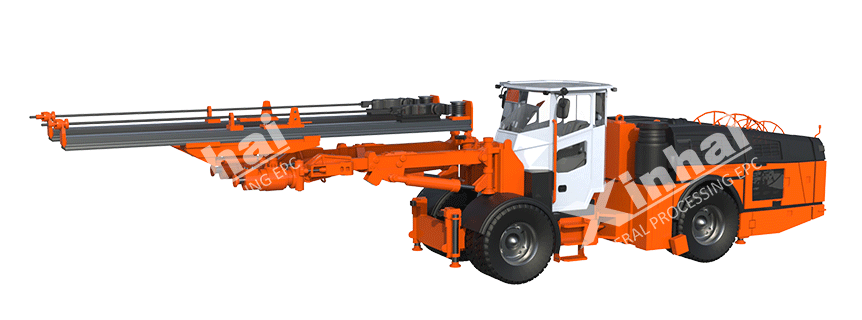
Single-Boom-Jumbo
Open-pit mining is an important method of modern mining production, and equipment selection is directly related to mining efficiency, safe operation and economic benefits. In practical production, drilling, loading, haulage and auxiliary equipment should be reasonably selected according to ore-rock properties, mining scale, topographic conditions and technological requirements to ensure efficient coordination of all links. Scientific equipment configuration can not only reduce production costs, but also improve the overall operation level of mines, which is of great significance to safe, efficient and green mining.
01Factors Affecting Mining Equipment Selection
Back1. Deposit Conditions
Burial depth, thickness, dip angle and scale of ore body, as well as ore-rock hardness, determine the mining method and equipment tonnage.
2. Ore-Rock Properties
Rock firmness, looseness coefficient and abrasiveness affect the selection of excavators, crushers and drilling rigs.
3. Production Scale
Annual/daily output determines equipment model, quantity and supporting capacity.
4. Mining Technology
Equipment configuration varies significantly with different processes such as shovel-truck system, bucket-wheel excavator continuous system and semi-continuous system.
5. Haulage Conditions
Haulage distance, road gradient and site layout determine the selection of dump trucks, belt conveyors or railway transportation.
02Selection of Loading Equipment
Back1. According to Mining Scale
(1) Large-scale mines
Large electric shovels
hydraulic excavators
(2) Small and medium-sized mines
Medium hydraulic excavators
2. According to Ore-Rock Properties
(1) Hard ore
Electric shovels
heavy-duty hydraulic shovels
(2) Soft soil and rock
Wheel loaders
front-end loaders
3. According to Mining Technology
(1) Discontinuous process (shovel-truck)
Single-bucket excavators
(2) Continuous/semi-continuous process
Bucket-wheel excavators with belt conveyors
4. According to Operating Conditions
(1) Narrow/scattered sites
Small and flexible equipment
(2) Cold high-altitude areas
Highly adaptable equipment
03Selection of Haulage Equipment
Back1. Haulage Distance and Scale
(1) Short distance/small & medium mines
Light-duty dump trucks
(2) Medium & long distance/large mines
Heavy-duty mining dump trucks
Belt conveyors
2. Topographic Conditions
(1) Rough terrain with large slopes
Articulated dump trucks
(2) Gentle terrain
Rigid mining trucks
3. Ore-Rock Properties
(1) Large lump size/high abrasiveness
Heavy-duty dump trucks
(2) Loose soil and rock
Belt conveyors
4. Climate and Environment
(1) Cold high-altitude areas
Low-temperature mining dump trucks
(2) High environmental protection requirements
Enclosed belt conveyors
5. Economy
(1) Small volume/priority on flexibility
Conventional dump trucks
(2) Large volume/long-term operation
Belt conveyor systems
04Selection of Drilling Rigs
Back1. According to Ore-Rock Hardness
(1) Hard rock
Rotary blast hole drills
(2) Medium-soft rock
DTH drills
(3) Soft soil and rock
Auger drills
2. According to Production Scale
(1) Large-scale mines
High-pressure rotary blast hole drills
(2) Small and medium-sized mines
Mobile DTH drills
3. According to Blasting Hole Requirements
(1) Large diameter/deep holes
Crawler-mounted rotary blast hole drills
(2) Small diameter/shallow holes
Lightweight DTH drills
Rock drills
4. According to Topographic Conditions
(1) Steep mountain slopes
Portable DTH drills
(2) Flat open-pit mines
Large crawler drills
5. According to Environment and Cost
(1) Environmental protection/low noise
Hydraulic drills
(2) Low cost/easy maintenance
Pneumatic DTH drills
05Selection of Auxiliary Equipment
Back1. Site Grading
(1) Bulldozers
(2) Graders
For cleaning working faces, constructing roads and leveling waste dumps.
2. Ore-Rock Crushing
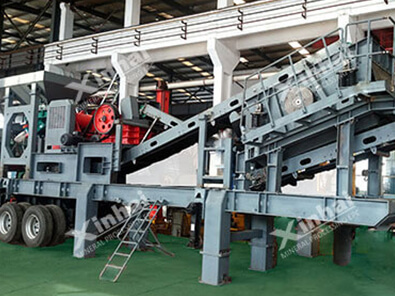
(1) Mobile crushers
(2) Rock breakers
For secondary crushing of large ore to facilitate loading and haulage.
3. Road Maintenance
(1) Rollers
(2) Water trucks
For road compaction, dust suppression by sprinkling and ensuring traffic.
4. Equipment Support
(1) Loaders
(2) Fuel trucks
(3) Maintenance vehicles
For material stacking, equipment refueling and on-site emergency repair.
5. Waste Disposal
(1) Bulldozers
(2) Scrapers
For pushing, grading and compacting waste dumps and controlling slopes.
6. Safety and Environmental Protection
(1) Dust removal equipment
(2) Fire trucks
For dust suppression, fire prevention and emergency rescue.
06Conclusion
BackEquipment selection for open-pit mining shall comprehensively consider deposit conditions, production scale, ore-rock properties and process matching. Rotary drills or DTH drills are selected based on rock properties; loading equipment mainly includes excavators and loaders, matched with haulage trucks. Haulage equipment adopts mining trucks or belt conveyors according to distance and terrain, supported by auxiliary equipment such as bulldozers, rollers and water trucks. Efficiency, safety and economy are balanced to form a complete and applicable mining equipment system.