+8618335758886
 laura@xinhaimining.com



Antimony Processing Plant Design and Cost Analysis
 Sheena
 Jan 20, 2026
 1695
1695
If you want to know more details about equipment, solutions, etc, please click the button below for free consultation, or leave your requirements!
 Message
 Chat Now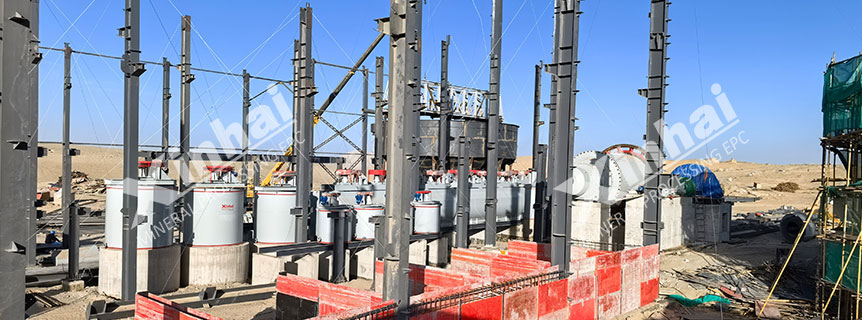
Antimony-design-processing-plant
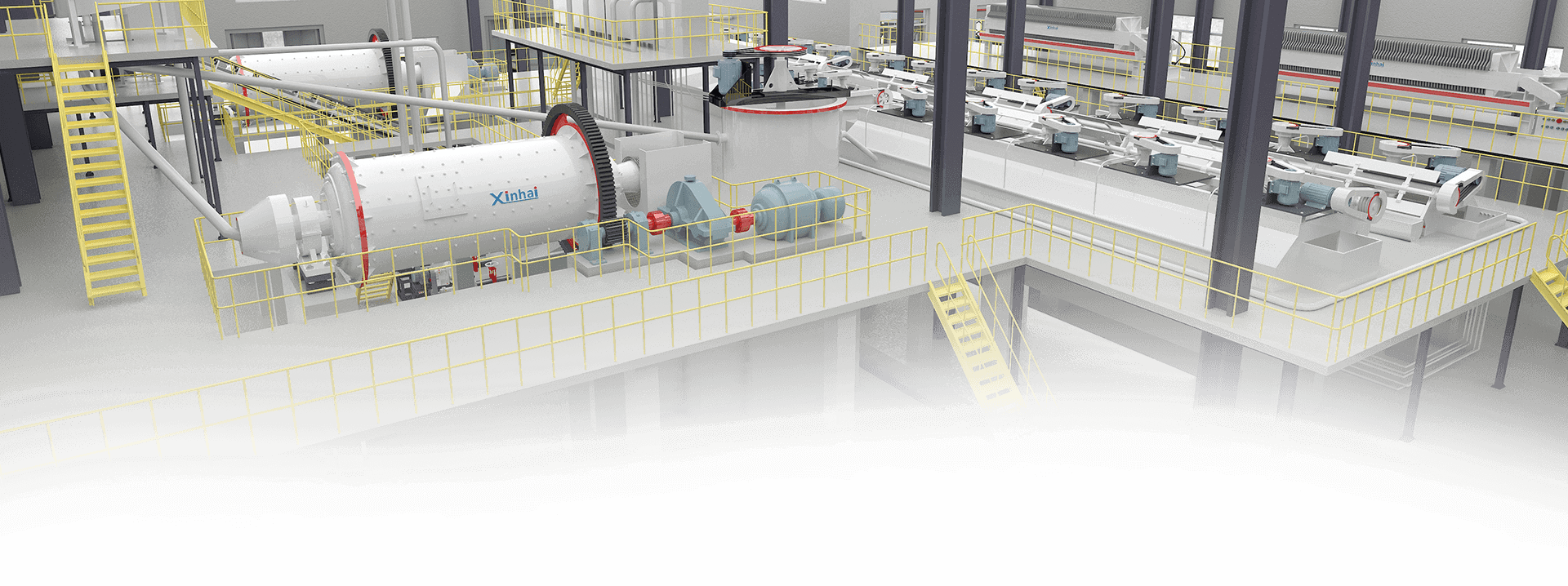
This article provides a comprehensive overview of antimony processing plant design principles, typical process flowsheets, key equipment selection, and a detailed cost analysis, helping investors and project developers evaluate technical feasibility and capital requirements.
01Overview of Antimony Ores and Processing Challenges
Back1.1 Common Antimony Ore Types
Antimony occurs mainly in the following forms:
Sulfide ores: Stibnite (Sb₂S₃), the most economically important mineral
Oxide ores: Cervantite, valentinite (less common)
Complex polymetallic ores: Associated with gold, mercury, arsenic, or lead
Among these, antimony sulfide ores dominate commercial mining, and their processing typically relies on gravity separation, flotation, or a combination of both.
1.2 Processing Challenges
Key technical challenges in antimony processing include:
Fine-grained mineral dissemination
High density but brittle mineral structure
Sensitivity to over-grinding
Environmental risks from arsenic and sulfur
These factors must be addressed during plant design to achieve high recovery, stable operation, and regulatory compliance.
02Antimony Processing Plant Design Principles
BackA well-designed antimony processing plant must balance metallurgical performance, capital efficiency, and operational simplicity. The following principles guide effective plant design.
2.1 Ore Characterization as the Design Foundation
Before any process design, detailed test work is essential, including:
Chemical composition analysis
Mineralogical studies (liberation size, associations)
Gravity and flotation test results
Grindability and abrasiveness tests
Accurate ore characterization directly determines the process route, equipment sizing, and cost estimation accuracy.
2.2 Process Route Selection
The most common antimony processing routes include:
Gravity separation flowsheet
Flotation-based flowsheet
Combined gravity + flotation flowsheet
Gravity separation is preferred when stibnite shows sufficient liberation at coarse sizes, while flotation is used for fine or complex ores.
03Typical Antimony Processing Plant Flowsheet
Back3.1 Crushing and Screening Section
The processing plant begins with primary and secondary crushing to reduce run-of-mine (ROM) ore to manageable sizes.
Jaw crusher for primary crushing
Cone or impact crusher for secondary crushing
Vibrating screens for size classification
Design considerations:
Avoid excessive fines generation
Ensure stable feed size for grinding
3.2 Grinding and Classification
Grinding is one of the most critical stages in antimony processing.
Common configurations:
Ball mill + hydrocyclone
Rod mill + ball mill (for coarse liberation)
Key design objectives:
Achieve optimal liberation without over-grinding
Protect stibnite from sliming
Control particle size distribution precisely
Energy consumption in this stage significantly impacts operating costs.
3.3 Gravity Separation Circuit
For coarse and medium-grained stibnite, gravity separation offers:
Low operating cost
Simple flowsheet
High selectivity
Typical gravity equipment includes:
Jig separators
Spiral concentrators
Shaking tables
Gravity concentrates are often upgraded further or directly sold if grade meets market requirements.
3.4 Flotation Circuit
For fine-grained or complex antimony ores, flotation is essential.
Flotation design includes:
Rougher, scavenger, and cleaner stages
pH control and reagent dosing
Selective collectors and depressants
Flotation allows higher recovery but increases capital and operating costs due to reagent consumption and process control requirements.
3.5 Concentrate Dewatering and Tailings Management
Final antimony concentrate is processed through:
Thickener
Filter press or vacuum filter
Drying (if required by downstream processing)
Tailings management must comply with environmental regulations, often requiring:
Tailings thickening
Lined tailings storage facilities
Water recycling systems
04Antimony Processing Plant Capacity Design
BackPlant capacity is typically defined in tons per day (TPD) and must align with mine production plans.
Typical capacity ranges:
Small-scale plant: 100–300 TPD
Medium-scale plant: 500–1,000 TPD
Large-scale plant: 2,000+ TPD
Capacity selection affects:
Equipment size and redundancy
Capital expenditure (CAPEX)
Unit processing cost
Modular or phased expansion designs are often recommended to reduce upfront risk.
05Capital Cost Analysis of Antimony Processing Plants
Back5.1 Major CAPEX Components
Antimony processing plant capital cost typically includes:
Process equipment
Crushers, mills, flotation machines, gravity separators
Auxiliary systems
Pumps, compressors, reagent systems
Civil works
Foundations, buildings, structural steel
Electrical and control systems
MCCs, automation, instrumentation
Installation and commissioning
Mechanical and electrical installation
Engineering and project management
5.2 Typical CAPEX Range
While costs vary by region and project complexity, approximate ranges are:
Small plant (300 TPD): USD 3–6 million
Medium plant (1,000 TPD): USD 8–15 million
Large plant (2,000+ TPD): USD 20–40 million
Factors influencing capital cost include:
Ore hardness and complexity
Degree of automation
Environmental protection requirements
Local labor and construction costs
06Operating Cost (OPEX) Analysis
BackOperating cost determines long-term project profitability.
6.1 Key OPEX Components
Energy consumption
Crushing and grinding dominate power usage
Consumables
Grinding media
Flotation reagents
Labor
Operators, technicians, management
Maintenance
Spare parts and wear components
Water and tailings management
6.2 Typical Operating Cost Range
Depending on plant scale and process complexity:
Gravity-dominated flowsheet: USD 10–18 per ton of ore
Flotation-based flowsheet: USD 18–30 per ton of ore
Reducing grinding energy and reagent consumption is the most effective way to control OPEX.
07Conclusion
BackAntimony processing plant design and cost analysis require a comprehensive understanding of ore characteristics, processing technologies, and economic constraints. From crushing and grinding to gravity separation and flotation, each design decision directly impacts capital investment, operating cost, and overall project profitability.
A well-designed antimony processing plant—supported by thorough test work, realistic cost estimation, and experienced engineering partners—can achieve high recovery, stable operation, and attractive financial returns. As global demand for antimony continues to grow, professionally designed and cost-optimized processing plants will play a crucial role in ensuring sustainable and competitive production.


RELATED PRODUCTS
-
Underground Auxiliary Equipment
-
BF Flotation Cell
-
Jig