+8618335758886
 laura@xinhaimining.com



Guidelines for the Construction of a Copper Ore Processing Plant
 zeki
zeki
 Feb 27, 2026
 627
627
If you want to know more details about equipment, solutions, etc, please click the button below for free consultation, or leave your requirements!
 Message
 Chat Now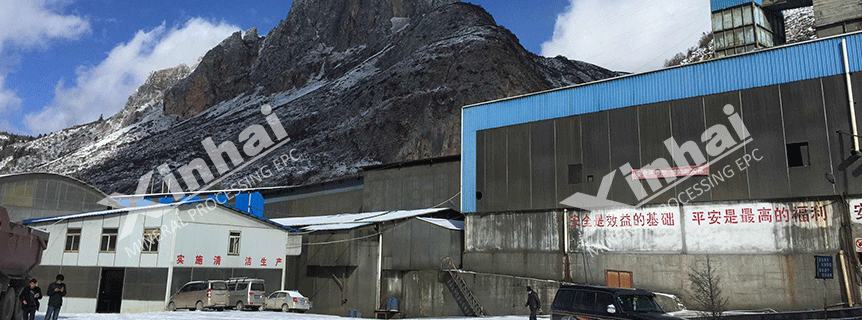
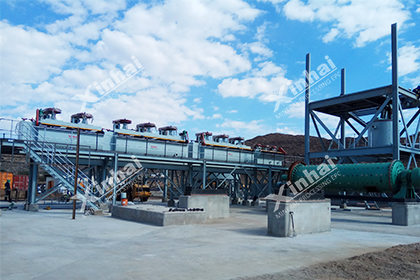
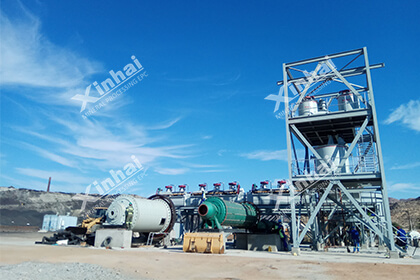
Yunnan-4400TPD-Copper-Processing-Plant
The construction of a copper ore processing plant is a critical link in the efficient development and utilization of copper resources, directly determining project investment, production performance, and economic viability. The construction process must integrate comprehensive considerations of ore characteristics, process selection, equipment configuration, site selection, and cost control. Through scientific planning and standardized implementation, a modern mineral processing project that is safe, efficient, economically viable, environmentally friendly, and operates stably can be established.
01Required Equipment for Copper Ore Processing
Back1. Crushing and Screening Equipment
(1) Jaw Crusher
(2) Cone Crusher
(3) Vibrating Screen
2. Grinding and Classification Equipment
(1) Ball Mill
(2) Rod Mill
(3) Spiral Classifier
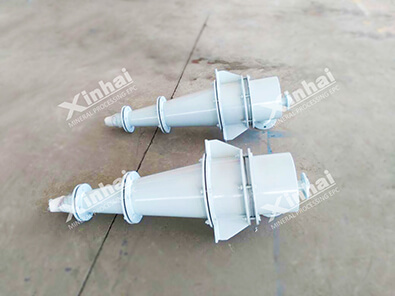
(4) Hydrocyclone
3. Flotation and Cleaning Equipment
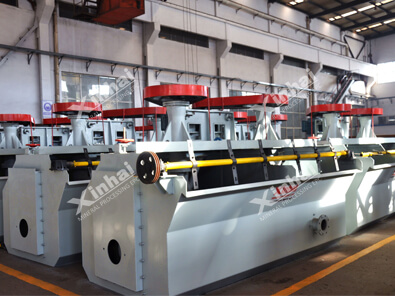
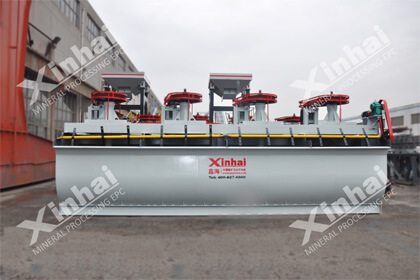
(1) Mechanical Agitation Flotation Cell
(2) Flotation Columns
(3) Agitation Tanks
4. Concentrate Dewatering Equipment
(1) Thickener
(2) Belt Filter
02Recommendations for Copper Ore Processing Plant Site Selection
Back1. Proximity to ore resources to minimize transportation costs.
2. Flat and open terrain to facilitate plant layout.
3. Abundant water sources and good drainage conditions.
4. Convenient transportation access for material inbound and outbound logistics.
5. Compliance with environmental protection and safety requirements.
03Cost Analysis for a Copper Ore Processing Plant
Back1. Raw Material and Transportation Costs
(1) Expenses related to raw ore purchase, mining, and transportation.
(2) Constitutes a significant portion of total costs; proximity to the mining area is therefore highly advantageous.
2. Production and Operating Costs
(1) Electricity Fees
Crushing, grinding, and flotation processes are the largest consumers of electricity.
(2) Reagent Fees
Includes costs for flotation collectors, frothers, modifiers, etc.
(3) Water Fees, Maintenance Costs, and Consumable Material Costs.
3. Labor and Management Costs
(1) Salaries for operators, technicians, and management personnel.
(2) Expenses related to safety, environmental protection, laboratory analysis, and logistics.
4. Environmental Protection and Tailings Management Costs
(1) Operation and maintenance of tailings storage facilities, wastewater treatment, and water recycling.
(2) Expenditures for environmental impact assessments, monitoring, and compliance.
5. Depreciation and Financial Costs
(1) Depreciation and amortization of equipment and buildings.
(2) Interest on capital and amortization of initial project investments.
04Conclusion
BackThe construction of a copper ore processing plant requires the comprehensive integration of process, equipment, site selection, and cost control. The optimal flotation process must be selected based on the ore characteristics, supported by efficient and reliable crushing, grinding, flotation, and dewatering equipment. Site selection should prioritize proximity to the mine, convenient transportation, ample water sources, and compliance with environmental regulations. Strict control over both capital investment and operational costs is essential to ensure the project operates safely, economically, and stably, thereby achieving the goal of efficient resource utilization.


RELATED PRODUCTS
-
Hydrocyclone
-
XJB Bar Flotation Cell
-
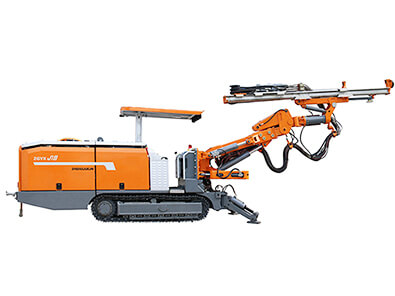
Rock Drilling Equipment