+8618234403483
 yanzhang19990421@gmail.com



Essential Graphite Process Machines You Should Know
 Laura
Laura
 Mar 31, 2026
 540
540
If you want to know more details about equipment, solutions, etc, please click the button below for free consultation, or leave your requirements!
 Message
 Chat Now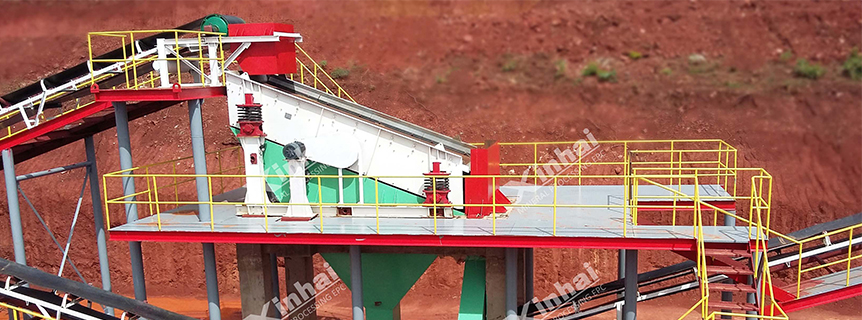
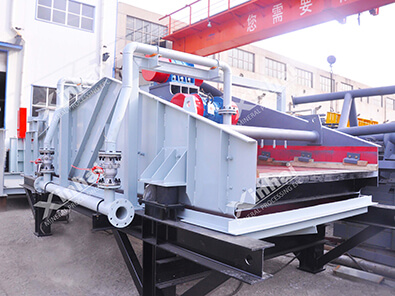
a screening machine in operation
Graphite processing relies heavily on specialized machinery to transform raw ore into high-value industrial products. As demand for graphite continues to grow—especially in lithium-ion batteries and clean energy technologies—understanding the key machines involved in graphite processing is essential for industry professionals, investors, and engineers.
This guide introduces the most important graphite process machines, explaining their functions, applications, and role in the overall production workflow.
01Why Graphite Processing Machines Matter
BackEfficient graphite processing depends on the right combination of equipment. Proper machine selection helps:
Maximize graphite recovery rates
Preserve flake size and quality
Improve processing efficiency
Reduce operational costs
Meet high-purity requirements
Each stage of graphite processing requires specific machines designed to handle the unique properties of graphite.
02 Crushing Equipment
BackCrushing is the first step in graphite processing.
Key Machines:
Jaw crushers
Cone crushers
Impact crushers
Function:
Crushers reduce large graphite ore into smaller pieces, preparing it for grinding. This stage must be carefully controlled to avoid damaging graphite flakes.
03 Grinding Mills
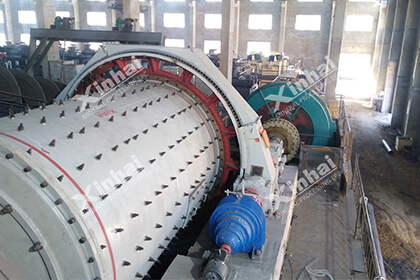
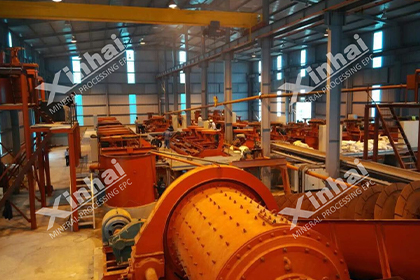
BackAfter crushing, grinding mills further reduce particle size.
Common Types:
Ball mills
Rod mills
Vertical mills
Function:
Grinding liberates graphite flakes from surrounding minerals. Proper grinding ensures effective separation in later stages while preserving flake integrity.
04 Flotation Machines
BackFlotation is the core process in graphite separation.
Equipment Used:
Flotation cells
Agitators
Air injection systems
Function:
Flotation machines separate graphite from impurities by attaching graphite particles to air bubbles, allowing them to float and be collected as concentrate.
05 Screening and Classification Equipment
BackOnce flotation is complete, graphite is sorted by size.
Key Machines:
Vibrating screens
Hydrocyclones
Classifiers
Function:
These machines classify graphite into different size fractions, which is essential for meeting specific industry requirements.
06 Thickening and Dewatering Equipment
BackGraphite slurry must be dewatered before further processing.
Equipment Includes:
Thickeners
Filter presses
Centrifuges
Function:
These machines remove excess water, producing a more concentrated graphite product and preparing it for drying.
07 Drying Equipment
BackDrying is necessary to remove remaining moisture.
Common Machines:
Rotary dryers
Fluidized bed dryers
Function:
Dryers ensure graphite meets moisture specifications for storage, transport, and further processing.
08 Graphite Purification Systems
BackHigh-purity graphite requires advanced purification.
Methods and Machines:
Chemical reactors (acid treatment systems)
High-temperature furnaces
Function:
These systems remove impurities to achieve purity levels required for applications like lithium-ion batteries.
09 Spheronization Equipment
BackUsed primarily for battery-grade graphite production.
Machines:
Spheronizers
Shaping mills
Function:
These machines convert graphite flakes into spherical particles, improving energy density and performance in batteries.
10 Coating Equipment
BackCoating enhances graphite performance in specialized applications.
Equipment:
Coating reactors
Mixing systems
Function:
Applies protective or conductive coatings to graphite particles, improving battery efficiency and lifespan.
11 Conveying and Automation Systems
BackEfficient material handling is essential in modern processing plants.
Equipment Includes:
Belt conveyors
Screw conveyors
Automated control systems
Function:
These systems streamline the movement of materials between processing stages and improve operational efficiency.
12Choosing the Right Graphite Processing Machines
BackSelecting the right equipment depends on several factors:
Type of graphite (flake, amorphous, vein)
Desired product quality and purity
Production capacity
Budget and operational costs
Modern plants increasingly use automated and energy-efficient machines to stay competitive.
13Conclusion
BackGraphite processing machines are the backbone of the graphite industry, enabling the transformation of raw ore into valuable products used in modern technologies. From crushers and grinding mills to flotation systems and purification equipment, each machine plays a vital role in ensuring efficiency, quality, and profitability.
As demand for graphite continues to rise, investing in the right processing equipment and technologies will be key to staying competitive in this fast-growing market.


RELATED PRODUCTS
-
Rock Drilling Equipment
-
Linear Vibrating Screen
-
Jig