+8618234403483
 yanzhang19990421@gmail.com



Full Analysis of Copper Ore Beneficiation
 zeki
zeki
 May 20, 2026
 375
375
If you want to know more details about equipment, solutions, etc, please click the button below for free consultation, or leave your requirements!
 Message
 Chat Now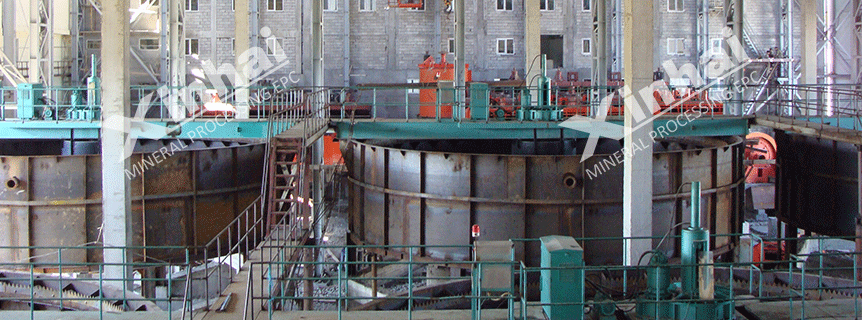
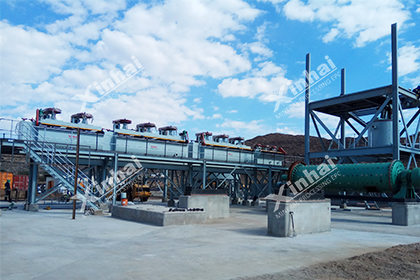
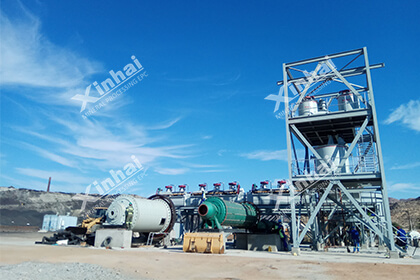
Armenia-Copper-Mine-1500-tpd-Beneficiation-Plant
Copper is a core non-ferrous metal supporting industrial manufacturing, power transmission, infrastructure construction, electronic technology and other fields, with applications ranging from ordinary wires and cables to high-end chips and aerospace materials. As a key link connecting copper ore mining and copper smelting, copper ore beneficiation and processing is an essential procedure to convert low-grade raw ore into high-grade smeltable copper concentrate, which directly determines subsequent smelting efficiency, production cost and finished product quality. Combining popular expressions with professional parameters, this paper systematically elaborates the basic definition, mainstream processes, common equipment, quality specifications and further processing of copper concentrate in copper ore beneficiation.
01Basic Definition of Copper Ore Beneficiation
BackCopper ore beneficiation, also known as copper mineral processing, refers to the process of separating valuable copper minerals (such as chalcopyrite, malachite, etc.) from gangue minerals (quartz, feldspar and other useless minerals) and harmful impurities (arsenic, lead, zinc, etc.) in copper ores by physical, chemical or combined physicochemical methods. It also realizes comprehensive separation of associated valuable elements (gold, silver, molybdenum, etc.) in ores to finally obtain economically viable copper concentrate.
02Copper Ore Types and Main Beneficiation Methods
BackCopper ores are classified into four major categories by oxidation degree and mineral occurrence state: sulfide copper ore, oxidized copper ore, mixed copper ore and native copper ore, as well as multi-metal associated copper ores coexisting with lead, zinc, molybdenum and other elements. Vast differences exist in beneficiation difficulty and applicable processes for different ore types.
1.Sulfide Copper Ore Beneficiation
Accounting for over 70% of global copper ore resources, sulfide copper ore is the dominant type in industrial production. Its copper elements exist in sulfide form with excellent natural floatability, featuring low beneficiation difficulty and high recovery rate.
(1)Main Mineral Composition
Valuable minerals: chalcopyrite, chalcocite, bornite, covellite; Gangue minerals: quartz, feldspar, calcite; Partial ores are associated with pyrite and magnetite.
(2)Mainstream Process
Flotation serves as the core process, while gravity separation and magnetic separation are adopted for pre-concentration. The flotation principle is based on differences in physicochemical properties of mineral surfaces. By adding flotation reagents (collectors, frothers, regulators), copper minerals adhere to air bubbles and rise to form froth products (copper rough concentrate), while gangue minerals remain in pulp and are discharged as tailings.
(3)Common Technological Flow
The most widely applied industrial flow is one roughing, two scavengings, two to three cleanings. Roughing rapidly enriches copper minerals to obtain rough concentrate; scavenging reprocesses roughing tailings to recover residual copper minerals and boost recovery rate; cleaning purifies rough concentrate to remove impurities and upgrade concentrate grade.
2.Oxidized Copper Ore Beneficiation
Oxidized copper ores take up about 20% of global copper ore resources. Copper elements exist in oxide and hydroxide forms, which are prone to argillization with poor natural floatability, resulting in higher beneficiation difficulty. Low-grade oxidized copper ores are usually treated by hydrometallurgical processes.
(1)Main Mineral Composition
Valuable minerals: malachite, azurite, chrysocolla, cuprite; Gangue minerals: quartz, kaolin, montmorillonite.
(2)Conventional Beneficiation Schemes
Two mainstream approaches: flotation and hydrometallurgy. Sulfidization flotation is applicable to high-grade and slightly argillized oxidized copper ores; hydrometallurgical processes including acid leaching, ammonia leaching and heap leaching combined with solvent extraction-electrowinning are adopted for low-grade, severely argillized and refractory oxidized copper ores.
3.Mixed Copper Ore Beneficiation
Mixed copper ores contain both sulfide copper minerals and oxidized copper minerals with recoverable contents. Its beneficiation flow is more complex, focusing on staged recovery and balanced efficiency.
(1)Applicable Combined Processes
Sulfide flotation plus enhanced oxidized ore recovery: recover sulfide copper minerals via flotation first to obtain sulfide copper rough concentrate, then recycle oxidized copper minerals in flotation tailings through enhanced flotation or leaching.
Flotation prior to leaching with staged recovery: prioritize flotation for easy-to-separate sulfide copper, and treat flotation tailings by leaching to recycle oxidized copper, suitable for ores with high oxidized copper content and mild argillization.
4.Native Copper Ore Beneficiation
Native copper ore features high copper grade, high density and coarse crystal grain size, which is suitable for gravity separation.
(1)Main Mineral Composition
Dominant valuable mineral is native copper, often symbiosed with chalcopyrite and chalcocite; main gangue minerals include quartz and calcite.
(2)Mainstream Process
Gravity separation is the primary method. Jig separators and shaking tables are used for coarse-grained native copper separation based on density difference, enabling native copper to settle down and separate from gangue pulp. Flotation is combined to recover fine-grained native copper for higher overall copper recovery rate.
03Core Equipment of Copper Ore Beneficiation Plant
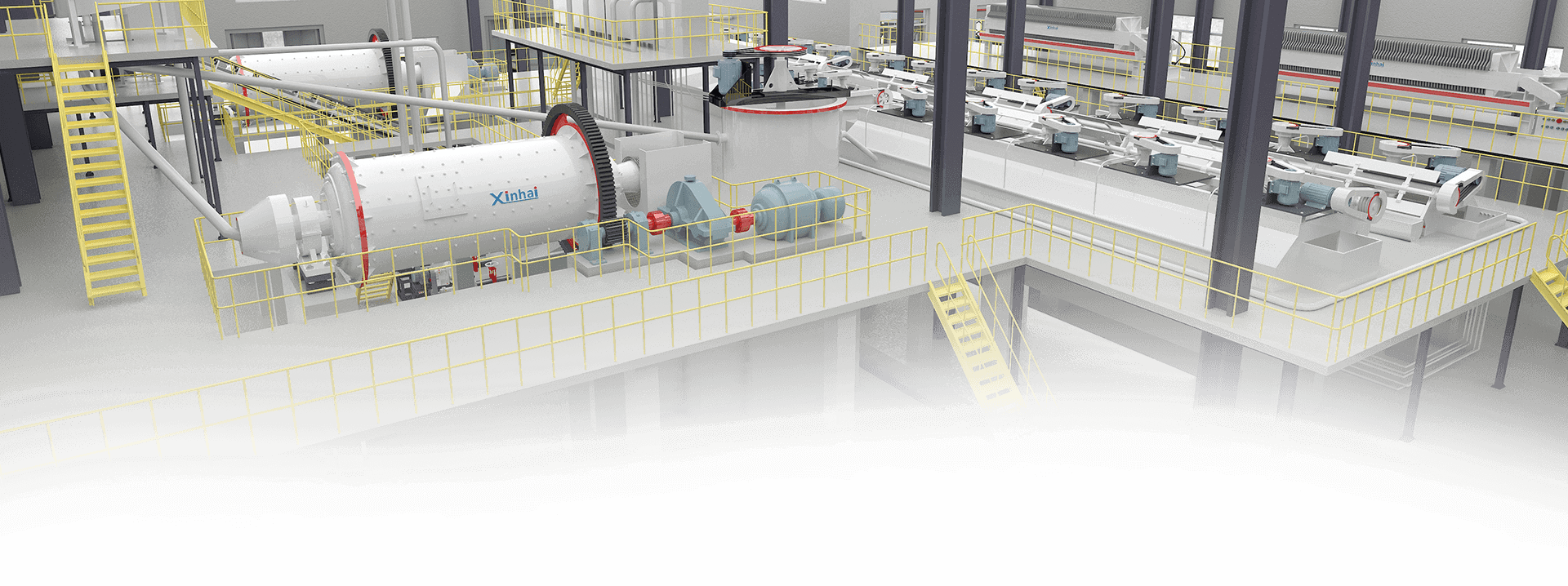
BackEquipment configuration for copper ore beneficiation plants centers on five core systems: crushing, grinding, classification, separation and dewatering. Equipment selection shall match ore hardness, particle size, processing capacity and beneficiation process to ensure operational efficiency and separation performance.
1.Crushing and Screening Equipment
(1)Crushing Equipment
Divided into primary, secondary and tertiary crushing stages:
Primary crushing: jaw crusher
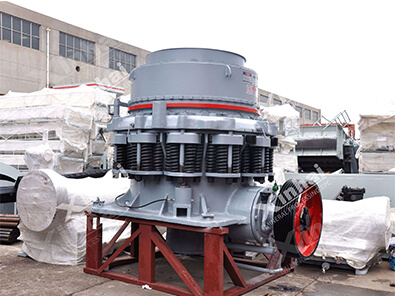
Secondary & tertiary crushing: cone crusher, high-pressure grinding roller mill
Auxiliary crushing: hammer crusher, double roll crusher
(2)Screening Equipment
Circular vibrating screen, linear vibrating screen
2.Grinding and Classification Equipment
Grinding and classification are pivotal working procedures to fully dissociate copper minerals from gangue minerals and control grinding fineness to avoid over-grinding or under-grinding.
(1)Grinding Equipment: ball mill, rod mill, autogenous mill
(2)Classification Equipment: hydrocyclone, spiral classifier
3.Core Separation Equipment
Separation equipment varies with beneficiation methods. Flotation equipment is the mainstream facility, while gravity separation and magnetic separation equipment are used for auxiliary separation and impurity removal.
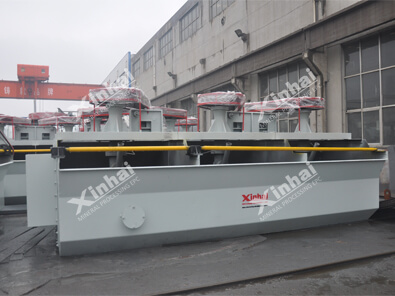
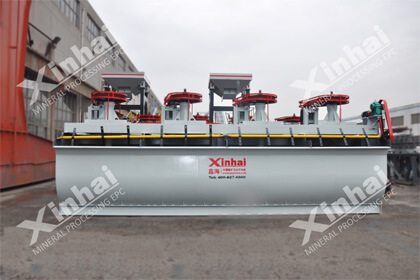
(1)Flotation Equipment: mechanical agitation flotation machine, flotation column
(2)Gravity Separation Equipment: jig, shaking table, spiral chute
(3)Magnetic Separation Equipment: wet magnetic separator
4.Dewatering and Auxiliary Equipment
Copper concentrate obtained after separation contains 30%-50% moisture, which cannot be directly stored, transported or smelted, thus dewatering treatment is required.
(1)Dewatering Equipment
Thickening: thickener
Filtration: disc vacuum filter, ceramic filter
(2)Auxiliary Equipment
Agitation tank, reagent feeder, sand pump, tailings recovery device
04Basic Quality Requirements for Copper Concentrate
BackAs the final product of copper ore beneficiation delivered to smelters, copper concentrate quality greatly affects smelting cost, production efficiency and finished copper product performance. Key control indicators are specified as follows:
1.Copper Grade
Copper grade refers to the mass fraction of copper elements in concentrate, serving as the core economic indicator. General industrial standards:
Copper concentrate accepted by mainstream smelters requires Cu grade ≥ 20%–25%; high-quality copper concentrate reaches over 30%, and premium high-grade products exceed 40%.Grade fluctuation shall be controlled within ±0.5% to stabilize smelting furnace conditions and reduce energy consumption and production cost.
2.Moisture Content
Excessive moisture causes concentrate agglomeration, increases transportation cost and hinders storage. Standard requirement: concentrate moisture ≤ 10%–12%; moisture shall be controlled below 8% for long-distance transportation and special smelting processes.
3.Particle Size Specification
Over 70% of flotation copper concentrate shall pass 0.074 mm sieve, and the proportion is required to reach over 80% for specific smelting technologies.
Optimal specific surface area ranges from 1200 to 2000 cm²/g to guarantee pelletizing effect and smelting reaction efficiency.
05Conclusion
BackCopper ore beneficiation is a systematic project following the core principles: formulate processes based on ore properties, determine grinding fineness by particle size, select reagents according to impurity types, and control indicators in line with smelting demands. Flotation acts as the dominant process, supplemented by gravity separation, magnetic separation and hydrometallurgy. Despite diversified technological flows for different copper ores, the ultimate goal remains consistent: maximize copper recovery rate and concentrate grade while cutting operational costs to realize efficient and rational utilization of copper mineral resources.


RELATED PRODUCTS
-
SF Flotation Cell
-
Spring Cone Crusher
-
Dry Magnetic Separator