+8618335758886
 laura@xinhaimining.com



Antimony Mining Cost and Processing Plant Investment Guide
 Sheena
 May 19, 2026
 885
885
If you want to know more details about equipment, solutions, etc, please click the button below for free consultation, or leave your requirements!
 Message
 Chat Now
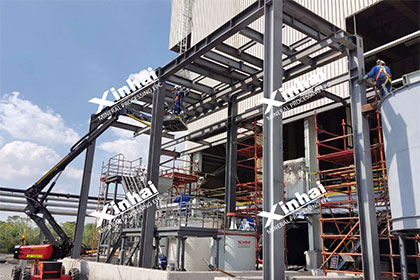
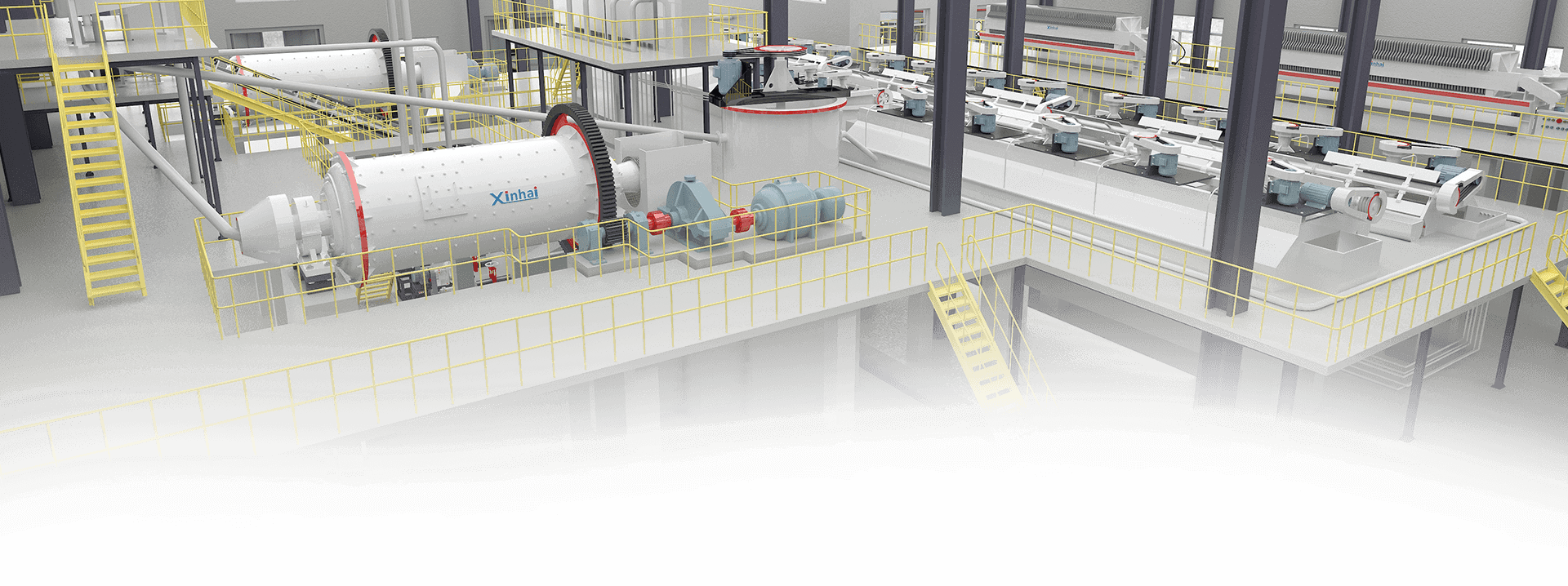
1000tpd Antimony processing plant Antimony mining projects are influenced by much more than ore grade alone. The overall investment required for a mine and processing plant depends on factors such as deposit type, mining method, ore complexity, infrastructure conditions, and the target production scale. Mining cost is heavily influenced by the geometry and depth of the ore body. Shallow deposits are often mined using open-pit methods, which generally offer lower operating costs and higher production capacity. Deeper or narrow-vein deposits may require underground mining, where ventilation systems, ground support, and underground haulage increase both capital investment and operating expenses. The stripping ratio is another important economic factor in open-pit operations. If large amounts of waste rock must be removed to access the ore, mining costs can rise rapidly even when the ore grade appears attractive. In underground mines, development work such as shafts, declines, and tunnel systems may represent a substantial portion of the initial capital investment before commercial production even begins. The mineralogical characteristics of antimony ore have a major influence on plant design and processing cost. Simple stibnite ores with coarse mineral liberation may be treated effectively through gravity separation and flotation, while complex ores containing fine dissemination or multiple sulfide minerals often require more complicated beneficiation circuits. For example, some antimony ores may contain arsenic, lead, or gold, which can affect both recovery and concentrate quality. In these cases, additional flotation stages or selective separation processes may be needed, increasing reagent consumption and plant complexity. This is one reason processing cost is often determined more by ore behavior than by antimony grade alone. The crushing and grinding section is usually one of the largest energy-consuming parts of an antimony processing plant. Run-of-mine ore is typically reduced using jaw crushers and cone crushers before entering grinding mills for mineral liberation. Depending on the ore characteristics, grinding may account for a significant percentage of total plant power consumption. In many antimony projects, the grinding circuit is designed to achieve sufficient liberation without generating excessive slimes. Overgrinding can negatively affect flotation performance and increase reagent consumption, while insufficient grinding may reduce recovery because valuable minerals remain locked within gangue. For this reason, grinding design often has a direct impact on both capital investment and long-term operating cost. Most antimony processing plants use a combination of gravity separation and flotation to recover valuable minerals. Gravity separation equipment such as jigs and shaking tables is often effective for recovering coarse stibnite because of its relatively high density. Flotation is then used to recover finer antimony particles that cannot be efficiently separated through gravity methods alone. The choice of beneficiation equipment depends on ore characteristics, processing capacity, and target concentrate grade. Typical plant equipment may include: Jaw crushers and cone crushers Ball mills and hydrocyclones Jig separators and shaking tables Flotation cells and thickeners Filters and dewatering systems In larger operations, automation and process control systems may also be installed to improve stability and reduce operating variability. Infrastructure is another major factor affecting investment in antimony mining projects. Remote mining locations may require road construction, power supply systems, water pipelines, and worker accommodation before production can begin. In some projects, infrastructure development can represent a large percentage of total project capital expenditure. Water and electricity consumption are especially important because mineral processing plants operate continuously and require stable utility supply. Grinding mills, flotation systems, pumps, and dewatering equipment all contribute to long-term operating expenses. This is why infrastructure availability often plays a critical role in determining whether a project is economically viable. Environmental management has become increasingly important in antimony mining because antimony and associated sulfide minerals may create environmental risks if not properly controlled. Tailings management systems, water treatment facilities, and dust control measures are often required as part of plant construction. In some jurisdictions, environmental compliance costs can significantly influence overall project economics. Permitting, tailings storage design, and wastewater treatment systems may increase initial investment, but they are necessary for long-term operational stability and regulatory approval. Although project costs vary widely depending on location and scale, investment in an antimony processing project is generally distributed across several major areas: The final investment structure depends on how these factors interact within a specific project..png "1000tpd Antimony processing plant (1).png")
01What Affects Antimony Mining Costs?
Back
02Ore Characteristics and Processing Complexity
Back
03Crushing and Grinding Investment
Back
04Antimony Beneficiation Methods and Equipment
Back
05Infrastructure and Utility Costs
Back
06Environmental and Regulatory Considerations
Back
07Typical Investment Structure of an Antimony Processing Plant
Back
Investment Area Typical Influence on Cost Mine development Deposit depth and mining method Crushing and grinding Ore hardness and liberation size Beneficiation circuit Ore complexity and recovery target Infrastructure Site accessibility and utilities Environmental systems Tailings and water treatment requirements 08Conclusion
Back
The investment required for an antimony mining and processing plant can vary widely depending on ore type, mining method, plant capacity, infrastructure conditions, and processing complexity. Small-scale gravity separation plants may require only a few hundred thousand dollars in initial investment, while large integrated mining and flotation projects with underground development, tailings systems, and full infrastructure can require tens of millions of dollars or more. Because of these variations, the most accurate way to estimate project cost is through geological evaluation, metallurgical testing, and process design based on the characteristics of the ore.


RELATED PRODUCTS
-
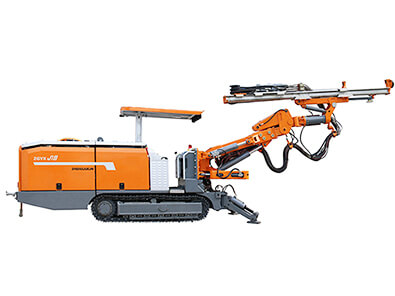
Rock Drilling Equipment
-
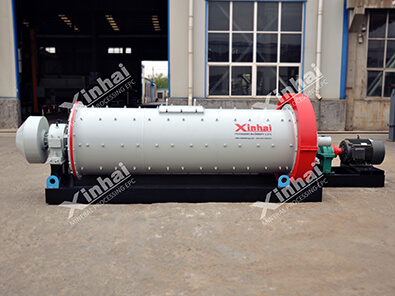
Grid Type Ball Mill
-
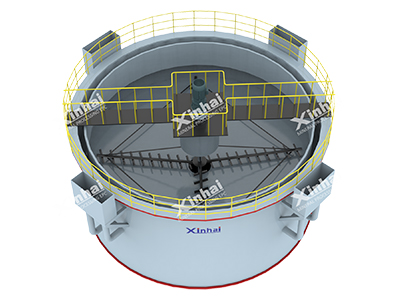
Washing Thickener