+8618234403483
 yanzhang19990421@gmail.com



Gold Flotation Plant Cost Guide
 Sheena
 Mar 10, 2026
 2055
2055
If you want to know more details about equipment, solutions, etc, please click the button below for free consultation, or leave your requirements!
 Message
 Chat Now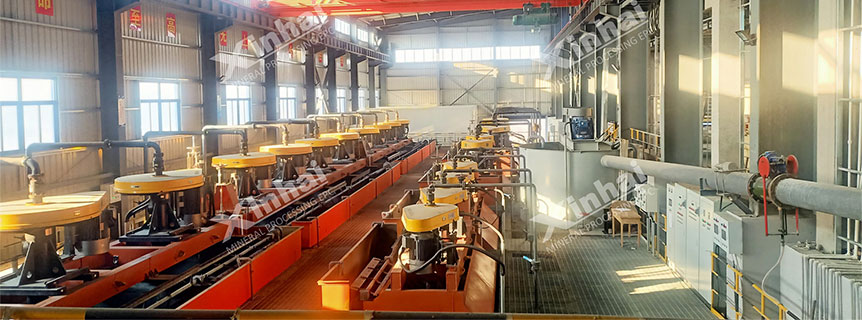
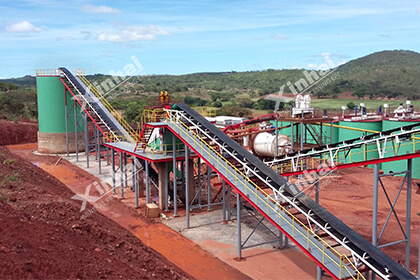
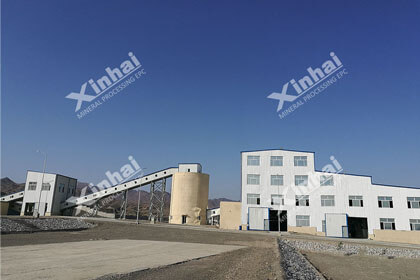
A-2000tpd-gold-flotation-plant
A gold flotation plant is widely used to process gold ores where the precious metal is closely associated with sulfide minerals such as pyrite, arsenopyrite, and chalcopyrite. Compared with gravity separation alone, flotation enables mining companies to recover fine-grained gold and complex sulfide-associated gold, significantly improving recovery rates.
However, building a flotation plant requires substantial investment. Mining investors and project developers often ask: How much does a gold flotation plant cost? The answer depends on many factors, including plant capacity, ore characteristics, equipment configuration, and infrastructure requirements.
This comprehensive guide explains the capital investment, equipment costs, operating costs, and cost optimization strategies for a gold flotation plant, helping mining companies better understand the financial requirements of such projects.
01Typical Gold Flotation Plant Process Flow
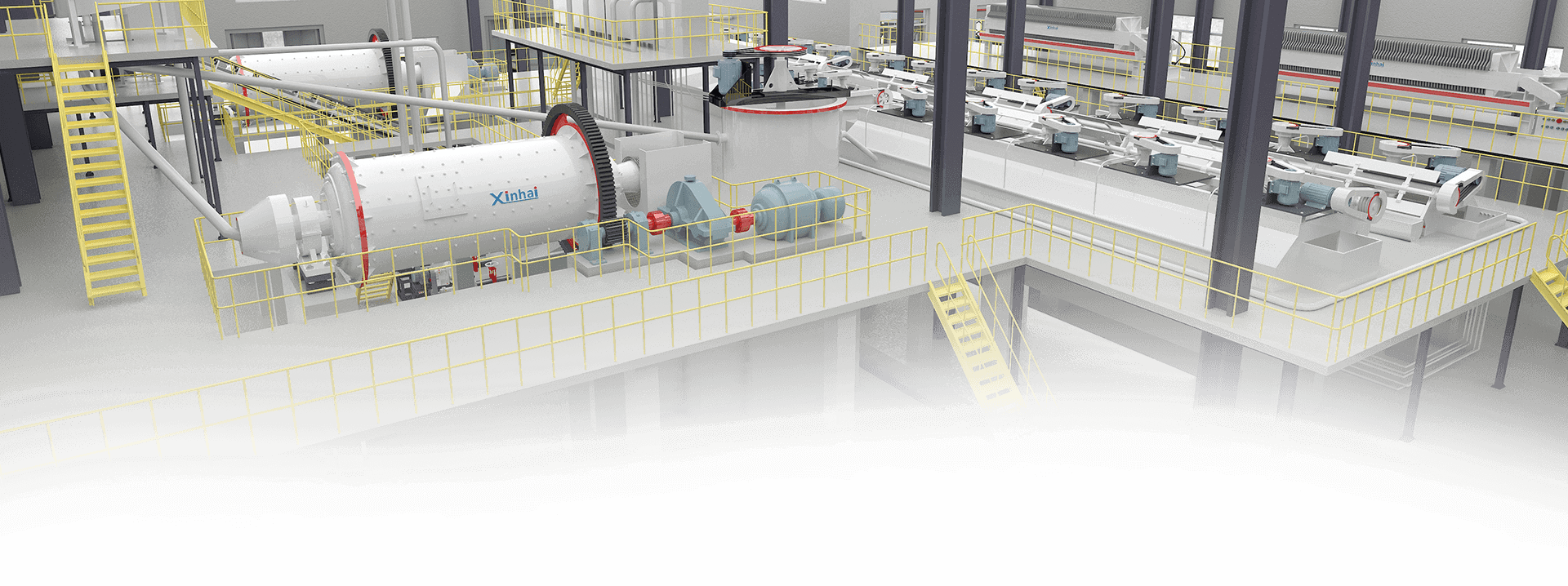
BackA typical gold flotation plant consists of several processing stages designed to liberate gold-bearing minerals and efficiently separate them from waste material.
1. Crushing
The run-of-mine (ROM) gold ore is first reduced in size using crushing equipment such as:
Jaw crushers
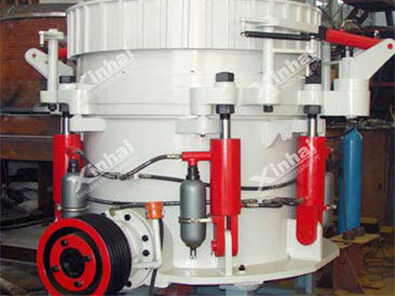
Cone crushers
Impact crushers
Crushing usually reduces the ore to 10–20 mm, preparing it for grinding.
2. Grinding and Classification
Grinding is performed using equipment such as:
Ball mills
Rod mills
SAG mills
The objective is to liberate gold-bearing minerals from surrounding gangue. Classification equipment such as hydrocyclones or spiral classifiers ensures the correct particle size for flotation.
Typical flotation feed size is 70–80% passing 200 mesh (about 74 μm).
3. Flotation Separation
The ground slurry enters flotation machines where reagents are added. The flotation circuit usually includes:
Rougher flotation
Scavenger flotation
Cleaner flotation
This multi-stage configuration improves both recovery and concentrate grade.
4. Concentrate Thickening and Filtration
The flotation concentrate is thickened and filtered to remove excess water. The resulting concentrate contains high-grade gold-bearing sulfides, which may be sold or further processed.
5. Tailings Disposal
The remaining tailings are pumped to a tailings storage facility after thickening.
02Main Equipment Used in a Gold Flotation Plant
BackThe cost of a gold flotation plant is largely determined by the equipment required for each stage of processing.
Crushing Equipment
Crushers are used to reduce the size of raw ore before grinding.
Typical equipment includes:
Jaw crusher
Cone crusher
Impact crusher
Estimated cost range: $20,000 – $300,000 depending on capacity.
Grinding Equipment
Grinding is often the most energy-intensive stage.
Common grinding equipment:
Ball mill
Rod mill
SAG mill
Typical cost range: $80,000 – $500,000 per mill.
Classification Equipment
Classification ensures the correct particle size distribution.
Common equipment:
Hydrocyclones
Spiral classifiers
Estimated cost: $10,000 – $100,000.
Flotation Equipment
Flotation cells are the core of the plant.
Two common types include:
Mechanical agitation flotation machines
Forced-air flotation machines
Depending on plant size, a flotation circuit may require 10–30 flotation cells.
Estimated price: $10,000 – $200,000 per cell.
Dewatering Equipment
Concentrate and tailings dewatering equipment includes:
Thickeners
Filter presses
Vacuum filters
Estimated cost: $100,000 – $1 million depending on plant capacity.
03Gold Flotation Plant Cost by Capacity
BackThe total capital investment of a flotation plant depends largely on plant throughput.
Below are typical cost estimates for different plant capacities.
| Plant Capacity | Estimated Investment |
|---|---|
| 200–500 TPD | $3M – $10M |
| 500–1000 TPD | $8M – $20M |
| 1000–3000 TPD | $20M – $50M |
| 3000+ TPD | $50M – $100M+ |
These estimates include:
Equipment procurement
Plant construction
Installation and commissioning
Electrical systems
Basic engineering design
However, additional infrastructure such as roads, power supply, and water systems may further increase project costs.
04Operating Costs of a Gold Flotation Plant
BackOperating costs (OPEX) are critical in determining the economic viability of a gold processing plant.
Power Consumption
Grinding circuits consume the majority of energy.
Typical energy consumption:
15–30 kWh per ton of ore
Energy costs vary depending on electricity prices and equipment efficiency.
Flotation Reagents
Flotation requires various reagents, including:
Collectors (xanthates, dithiophosphates)
Frothers (MIBC, pine oil)
Activators
Depressants
Typical reagent cost:
$0.5 – $3 per ton of ore
Labor
Labor requirements depend on plant automation.
Typical staffing for a medium-sized plant:
10–30 operators per shift
Maintenance
Maintenance costs typically account for 5–10% of equipment value annually.
Proper maintenance is essential to prevent equipment downtime and production losses.
05Gold Flotation Plant Cost per Ton
BackAnother useful metric for evaluating plant investment is capital cost per ton of capacity.
Typical ranges include:
| Plant Size | Cost per Ton Capacity |
|---|---|
| Small plant | $20,000 – $40,000 per TPD |
| Medium plant | $15,000 – $30,000 per TPD |
| Large plant | $10,000 – $20,000 per TPD |
Larger plants benefit from economies of scale, reducing capital cost per ton.
06How to Reduce Gold Flotation Plant Costs
BackMining companies can significantly reduce project costs through proper design and planning.
Conduct Metallurgical Testing
Laboratory flotation tests determine:
Optimal grinding size
Reagent scheme
Flotation recovery
This prevents unnecessary equipment investment.
Use Modular Plant Design
Modular flotation plants offer several advantages:
Faster construction
Lower installation costs
Easier expansion
Combine Gravity and Flotation
Recovering coarse free gold by gravity separation before flotation can reduce the flotation load and improve overall recovery.
Choose Energy-Efficient Equipment
Modern grinding mills and flotation machines are designed to reduce power consumption and operating costs.
07Conclusion
BackThe gold flotation plant cost varies widely depending on plant capacity, ore complexity, and equipment configuration. Small-scale flotation plants may require $1–3 million, while large industrial plants can cost over $50 million.
Despite the higher investment compared with simple gravity plants, flotation offers significant advantages in recovering fine and sulfide-associated gold, making it one of the most important technologies in modern gold beneficiation.
With proper metallurgical testing, optimized process design, and high-quality equipment, a gold flotation plant can deliver high recovery rates, stable concentrate quality, and strong long-term profitability.


RELATED PRODUCTS
-
Hydraulic Cone Crusher
-
Bulldozer Equipment
-
Leaching Agitation Tank