+8618234403483
 yanzhang19990421@gmail.com



Gold Flotation vs Gold Leaching: Which Gold Recovery Process is More Profitable?
 Sheena
 Jun 01, 2026
 590
590
If you want to know more details about equipment, solutions, etc, please click the button below for free consultation, or leave your requirements!
 Message
 Chat Now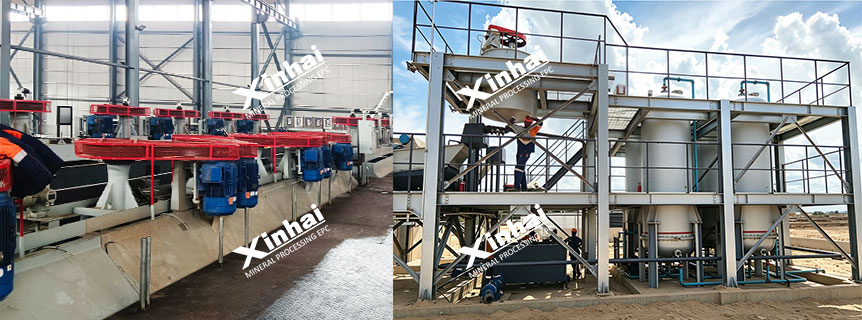
Gold-Flotation-vs-Gold-Leaching
Gold flotation and gold leaching are two of the most widely used gold recovery methods in modern mineral processing plants. Although both processes aim to recover gold from ore, their working principles, applicable ore types, investment requirements, and economic returns differ significantly.
For mine owners and investors, selecting the right process can determine the success or failure of a project. This article compares gold flotation and gold leaching from the perspectives of ore characteristics, process flows, plant investment, operating costs, and project profitability.
01Understanding Gold Flotation and Gold Leaching
BackGold flotation is a physical beneficiation process that separates gold-bearing minerals from gangue minerals using differences in surface properties. Through the addition of flotation reagents and air bubbles, gold-bearing sulfides are concentrated into a smaller volume of concentrate for further treatment.
Gold leaching, on the other hand, is a hydrometallurgical process. Gold is dissolved into a cyanide solution and subsequently recovered through activated carbon adsorption, desorption, electrowinning, and smelting. Common gold leaching methods include CIL, CIP, and heap leaching.
While flotation focuses on mineral concentration, leaching aims to directly dissolve and recover gold from the ore.
02Ore Characteristics: Which Ores Are Suitable for Each Process?
BackThe choice between flotation and leaching starts with the nature of the gold ore. Different ore types respond differently to each recovery method.
1. Gold Flotation Is Suitable For:
Sulfide gold ores
Gold associated with pyrite or arsenopyrite
Polymetallic gold deposits
Refractory gold ores
In these deposits, gold is often encapsulated within sulfide minerals. Direct cyanide leaching may result in poor recovery because the cyanide solution cannot easily reach the gold particles. Flotation can effectively recover gold-bearing sulfides and significantly increase gold concentration before further treatment.
2. Gold Leaching Is Suitable For:
Oxide gold ores
Free-milling gold ores
Weathered gold deposits
Low-grade disseminated gold ores
For these ore types, gold particles are relatively exposed and can be directly dissolved by cyanide solution. As a result, leaching generally achieves high recovery rates and is widely used in large-scale gold operations.
03Process Flow Comparison
BackOne of the major differences between flotation and leaching lies in the complexity of the processing circuit.
1. Typical Gold Flotation Flow
Crushing → Grinding → Flotation → Concentrate Dewatering → Tailings Disposal
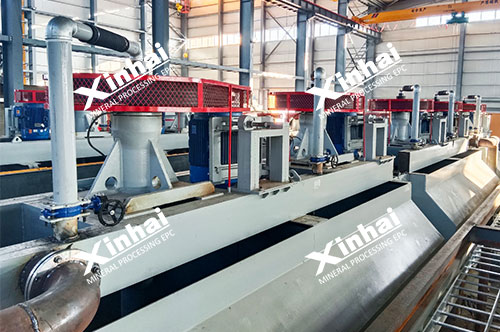
The flotation process is relatively compact and focuses on producing a gold-rich concentrate. Depending on the ore type, the concentrate may later undergo smelting, roasting, pressure oxidation, or cyanidation.
2. Typical Gold Leaching Flow
Crushing → Grinding → Cyanide Leaching → Carbon Adsorption → Desorption → Electrowinning → Smelting
Compared with flotation, the leaching process contains more stages and requires additional adsorption and recovery equipment. However, it can produce gold bullion directly at the mine site.
04Gold Recovery Rate Comparison
BackRecovery rate is often the primary concern for mining investors. For oxide and free-milling gold ores, leaching typically achieves recovery rates of 85%–95%. The direct dissolution of gold into cyanide solution allows a large proportion of gold to be recovered.
Gold flotation generally achieves recoveries between 70% and 90%, depending on liberation size, reagent selection, and ore characteristics. However, for sulfide and refractory ores, flotation may outperform direct cyanidation because it recovers gold-bearing sulfide minerals that are difficult to leach.
In many modern gold plants, flotation and leaching are combined rather than used independently. Flotation is used to produce a high-grade concentrate, while cyanidation is used to maximize final gold recovery.
05Plant Investment Comparison
BackCapital investment varies significantly between the two methods.
1. Gold Flotation Plant Investment
A flotation plant mainly requires:
Crushing equipment
Grinding equipment
Flotation machines
Thickening and filtration systems
The overall plant layout is relatively simple, resulting in lower capital expenditure. Flotation is often attractive to small and medium-sized mining projects seeking faster payback periods.
2. Gold Leaching Plant Investment
A leaching plant typically requires:
Leaching tanks
Activated carbon adsorption systems
Desorption systems
Electrowinning equipment
Smelting facilities
Cyanide detoxification systems
Because of the larger number of processing stages and environmental protection facilities, leaching plants generally require higher initial investment than flotation plants.
06Operating Cost Comparison
BackOperating costs directly influence long-term profitability.
Gold flotation plants mainly consume: Grinding power; Flotation reagents; Water; Maintenance materials. Chemical consumption is relatively low, making flotation attractive for projects with limited operating budgets.
Gold leaching plants require continuous consumption of: Cyanide; Activated carbon; Lime; Detoxification reagents; Electrical power. In ores with high cyanide consumption, operating costs can increase substantially. Environmental monitoring and tailings treatment also add to overall expenses.
07Conclusion
BackGold flotation and gold leaching are not competing technologies but complementary solutions for different ore types. Flotation is generally preferred for sulfide and refractory gold ores due to its lower investment and strong concentration capability, while leaching is ideal for oxide and free-milling ores where high recovery and direct gold production are priorities. Before selecting a process, comprehensive metallurgical testing should always be conducted to identify the most profitable processing route for the specific ore body.


RELATED PRODUCTS
-
Excavating Equipment
-
Transportation Equipment
-
Peripheral Transmission Thickener