+8618335758886
 laura@xinhaimining.com



What's the Price of a Silica Sand Washing Plant?
 Sheena
 Feb 09, 2026
 2357
2357
If you want to know more details about equipment, solutions, etc, please click the button below for free consultation, or leave your requirements!
 Message
 Chat Now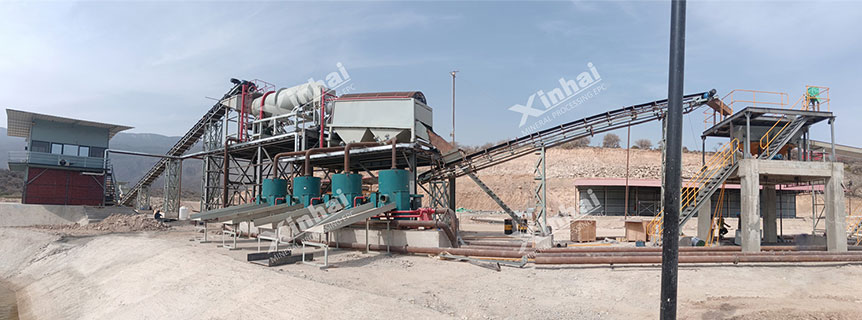
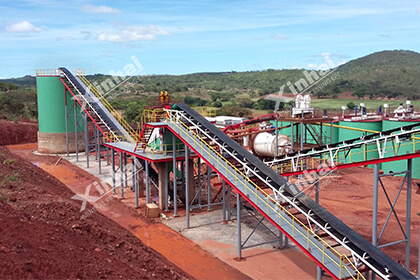
200tph-Silica-Sand-Washing-Plant
The cost of a silica sand washing plant is one of the first and most critical questions investors, mine owners, and industrial sand producers ask before launching a project. Silica sand is widely used in glass manufacturing, foundry, construction, ceramics, and frac sand, but raw silica sand deposits often contain clay, silt, iron oxides, and other impurities that must be removed through washing and classification.
In this guide, we break down silica sand washing plant costs, covering equipment investment, capacity ranges, operating expenses, and key factors that influence total project cost. Whether you are planning a small pilot plant or a large-scale industrial installation, this article will help you estimate your budget more accurately.
01What Is a Silica Sand Washing Plant?
BackA silica sand washing plant is a wet processing system designed to:
Remove clay, mud, and fine impurities
Control particle size distribution
Improve silica purity and whiteness
Produce market-ready sand products
A typical plant includes washing, scrubbing, classification, and dewatering equipment, configured based on the raw material characteristics and target product specifications.
02Typical Silica Sand Washing Plant Cost Range
BackThe cost of a silica sand washing plant varies significantly depending on capacity, process complexity, and equipment selection.
Estimated Capital Cost by Plant Size
| Plant Capacity | Typical Application | Estimated Cost Range |
|---|---|---|
| 20–50 TPH | Small quarry / local market | USD 150,000 – 400,000 |
| 50–100 TPH | Medium industrial supply | USD 400,000 – 900,000 |
| 100–200 TPH | Glass / foundry sand | USD 900,000 – 2,000,000 |
| 200+ TPH | Large-scale industrial project | USD 2,000,000 – 5,000,000+ |
Note: These figures are indicative and exclude land acquisition, permitting, and infrastructure costs.
03Key Cost Components of a Silica Sand Washing Plant
Back1. Process Equipment Cost (50–65%)
This is the largest portion of the total investment.
Typical equipment includes:
Vibrating feeders & screens
Log washers or rotary scrubbers
Sand washing machines (wheel or spiral)
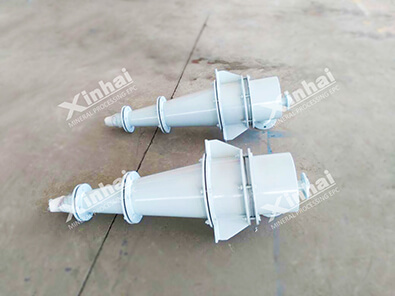
Hydrocyclones
Dewatering screens
Slurry pumps and pipelines
Higher purity requirements (e.g., glass-grade silica) require additional scrubbing and classification stages, increasing equipment costs.
2. Civil Works & Structural Cost (10–20%)
Civil construction includes:
Equipment foundations
Steel structures and platforms
Water channels and slurry pits
Plants installed in remote or difficult terrain generally incur higher civil costs.
3. Electrical & Control System Cost (5–10%)
This includes:
MCC panels and PLC systems
Motor control and cabling
Automation and interlocks
Advanced automation improves stability and reduces long-term operating costs.
4. Installation & Commissioning (5–10%)
Professional installation ensures:
Correct equipment alignment
Stable operation from day one
Faster ramp-up to design capacity
Many suppliers offer turnkey EPC services, which reduce overall project risk.
04Operating Cost (OPEX) of a Silica Sand Washing Plant
BackBeyond capital expenditure (CAPEX), operating costs play a critical role in project economics.
Main Operating Cost Factors
Power consumption (screens, pumps, washers)
Water usage and recycling
Wear parts and maintenance
Labor costs
Typical Operating Cost Range
USD 0.5 – 2.5 per ton of finished sand, depending on:
Local electricity price
Water recycling efficiency
Equipment quality
High-efficiency washing equipment can significantly reduce OPEX over the plant’s lifecycle.
05Factors That Influence Silica Sand Washing Plant Cost
Back1. Raw Material Characteristics
Clay content
Particle size distribution
Iron and impurity levels
More contaminated raw sand requires intensive washing and scrubbing, increasing both CAPEX and OPEX.
2. Product Quality Requirements
Different markets demand different specifications:
Construction sand → simpler washing
Foundry sand → tighter grading control
Glass sand → high purity, low iron
Higher specifications = more processing stages = higher cost.
3. Plant Capacity and Scalability
Larger plants benefit from economies of scale, lowering cost per ton. Modular designs also allow future expansion with limited disruption.
4. Equipment Supplier and Design Quality
Low-cost equipment may reduce initial investment but often leads to:
Higher maintenance costs
Shorter equipment lifespan
Unstable production
Choosing an experienced supplier with customized process design ensures better long-term returns.
06Is a Silica Sand Washing Plant a Good Investment?
BackA well-designed silica sand washing plant can deliver:
High profit margins
Stable long-term demand
Wide application industries
Projects supplying glass-grade or foundry-grade silica sand typically achieve faster ROI due to premium pricing.
However, success depends on accurate testing, proper equipment selection, and professional plant design.
07How to Reduce Silica Sand Washing Plant Cost
BackConduct laboratory test work before design
Use water recycling systems
Select energy-efficient motors and pumps
Choose turnkey EPC solutions to avoid redesign and delays
Optimizing the process flow from the start can save 10–30% in total project cost.
08Conclusion
BackThe cost of a silica sand washing plant typically ranges from USD 150,000 to over USD 5 million, depending on capacity, process complexity, and product requirements. While initial investment is important, long-term operating efficiency and product quality ultimately determine project profitability.
Careful planning, professional design, and high-quality equipment are the keys to maximizing return on investment in silica sand washing projects.


RELATED PRODUCTS
-
Autogenous Mill
-
Hydrocyclone
-
CLF Flotation Cell