+8618234403483
 yanzhang19990421@gmail.com



The Cost of Setting Up a Nickel Ore Processing Plant
 Sheena
 Feb 02, 2026
 2035
2035
If you want to know more details about equipment, solutions, etc, please click the button below for free consultation, or leave your requirements!
 Message
 Chat Now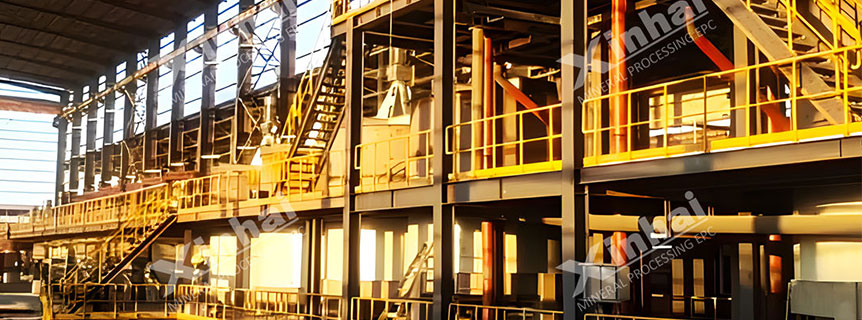
The-Cost-of-Setting-Up-a-Nickel-Ore-Processing-Plant
As global demand for nickel continues to rise, investors and mining companies are increasingly interested in building nickel ore processing plants. However, one of the most common and important questions is: What is the cost of setting up a nickel ore processing plant?
The answer depends on multiple technical, economic, and geographic factors. This article provides a detailed, SEO-focused breakdown of nickel processing plant costs, covering capital expenditure (CAPEX), operating expenditure (OPEX), cost drivers, processing technologies, and investment considerations.
01Key Factors Affecting Nickel Processing Plant Cost
Back1.1 Ore Type and Mineralogy
Nickel sulfide ores
Typically processed via crushing, grinding, flotation, and smelting or refining
Generally lower acid consumption
Lower technical risk compared with laterite processing
Nickel laterite ores
Require hydrometallurgical routes such as HPAL or atmospheric leaching
High acid, energy, and capital requirements
Higher upfront investment but often larger resource base
Ore characteristics such as grade, hardness, moisture content, and impurity levels directly influence equipment sizing and cost.
1.2 Processing Technology Selection
Processing technology is the single largest cost driver.
Common nickel processing routes include:
Crushing + Grinding + Flotation (for sulfide ores)
Rotary kiln–electric furnace (RKEF)
High Pressure Acid Leaching (HPAL)
Atmospheric or heap leaching
Magnetic separation and gravity concentration (pre-concentration)
Among these, HPAL plants are the most capital-intensive, while flotation-based sulfide plants are relatively lower in cost.
1.3 Plant Capacity and Throughput
Nickel processing plants are usually designed with annual capacities ranging from:
10,000–20,000 tpa Ni (small to medium scale)
30,000–60,000 tpa Ni (large commercial operations)
Higher throughput leads to:
Higher initial CAPEX
Lower unit cost per ton due to economies of scale
1.4 Location and Infrastructure
Plant location strongly affects total investment:
Power supply (grid vs self-generated)
Water availability
Tailings disposal systems
Transportation and logistics
Labor availability and cost
Remote projects often require additional infrastructure CAPEX, including roads, power plants, camps, and ports.
02Capital Cost (CAPEX) Breakdown of a Nickel Processing Plant
Back2.1 Typical CAPEX Components
A nickel ore processing plant CAPEX generally includes:
Crushing and grinding system (jaw crushers, cone crushers, ball mills, SAG mills)
Beneficiation equipment (flotation cells, magnetic separators, thickeners)
Leaching and recovery systems (autoclaves, reactors, solvent extraction)
Tailings storage facility
Power, water, and utilities
Buildings, workshops, and laboratories
Engineering, procurement, and construction (EPC)
2.2 Indicative Nickel Processing Plant Cost Ranges
| Plant Type | Annual Nickel Output | Estimated CAPEX |
|---|---|---|
| Small modular plant | 10,000–40,000 tpa | USD 150–300 million |
| Medium-scale plant | 45,000–80,000 tpa | USD 400–800 million |
| Large integrated plant | 80,000+ tpa | USD 1–3+ billion |
These figures are indicative and vary significantly depending on technology, country, and infrastructure requirements.
2.3 HPAL vs Flotation Plant Cost Comparison
HPAL Nickel Plant
CAPEX often exceeds USD 1 billion
Complex equipment and construction
Long commissioning period
Sulfide Flotation Plant
CAPEX typically USD 200–600 million
Mature technology
Lower technical risk
03Operating Costs (OPEX) of a Nickel Processing Plant
BackWhile CAPEX defines the initial investment, OPEX determines long-term profitability.
3.1 Major Operating Cost Components
Energy and fuel
Grinding media and liners
Reagents (acid, collectors, frothers)
Labor and maintenance
Water management
Waste and tailings handling
3.2 Typical Nickel Processing OPEX
Sulfide flotation plants: USD 2.5–4.0 per lb Ni
Laterite HPAL plants: USD 3.5–6.0 per lb Ni (highly site-specific)
Energy and reagent consumption are the dominant OPEX drivers, particularly for laterite projects.
04Equipment Cost Contribution
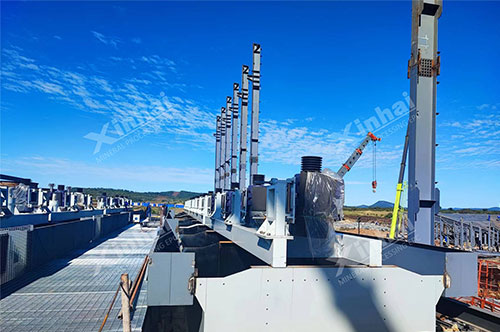
BackProcessing equipment usually accounts for 35–55% of total plant CAPEX.
Key equipment includes:
Crushers and mills (ball mill, SAG mill)
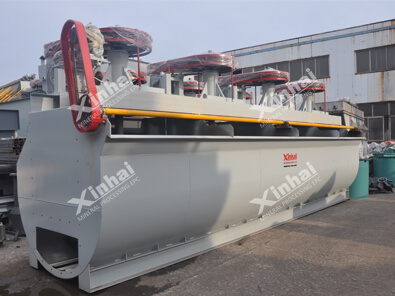
Flotation machines
Thickeners and filters
Leaching reactors and autoclaves
Pumps, conveyors, and control systems
Selecting high-efficiency, reliable equipment can significantly reduce both CAPEX and lifecycle OPEX.
05Environmental and Compliance Costs
BackModern nickel projects must comply with strict environmental regulations, which add to overall cost:
Tailings management systems
Water recycling and treatment
Emission control systems
Monitoring and compliance infrastructure
Environmental protection typically represents 5–15% of total project CAPEX, but is essential for long-term sustainability and permitting.
06Economic Considerations and ROI
Back6.1 Nickel Price Sensitivity
Nickel processing plant economics are highly sensitive to:
Nickel market price
Recovery rate
Operating stability
Energy cost volatility
Higher-value downstream products such as nickel sulfate can significantly improve project returns.
6.2 Project Development Stages
Before construction, most projects go through:
Conceptual study
Scoping study
Pre-feasibility study (PFS)
Definitive feasibility study (DFS)
Each stage refines CAPEX and OPEX estimates and reduces investment risk.
07How to Reduce Nickel Processing Plant Costs
BackCost optimization strategies include:
Pre-concentration to reduce downstream tonnage
Modular plant design
Local equipment sourcing
Energy-efficient grinding technology
Integrated engineering and equipment supply
Early-stage process design has the greatest influence on final project cost.
08Conclusion: How Much Does a Nickel Processing Plant Cost?
BackIn summary, the cost of setting up a nickel ore processing plant can range from USD 150 million to over USD 3 billion, depending on:
Ore type (sulfide vs laterite)
Processing technology
Plant capacity
Location and infrastructure
Environmental requirements
For investors and developers, understanding these cost drivers is essential to building a profitable and sustainable nickel project. A well-designed processing plant, supported by reliable equipment and sound engineering, can significantly enhance project economics and long-term returns.


RELATED PRODUCTS
-
XCF Air Inflation Flotation Cell
-
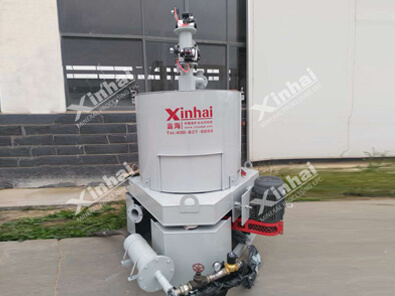
Centrifugal Separator
-
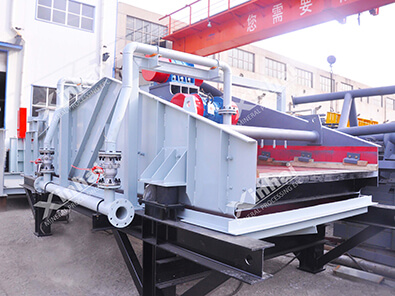
Linear Vibrating Screen
.jpg "Laterite Nickel Ore Deposit")