+8618234403483
 yanzhang19990421@gmail.com



Step-by-Step Graphite Processing Methods Guide
 Laura
Laura
 Mar 30, 2026
 750
750
If you want to know more details about equipment, solutions, etc, please click the button below for free consultation, or leave your requirements!
 Message
 Chat Now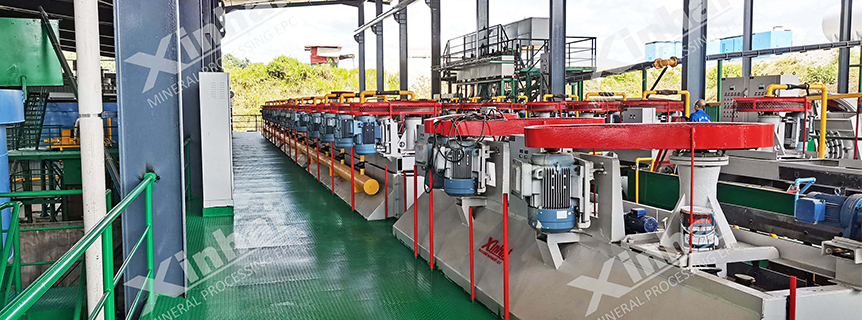
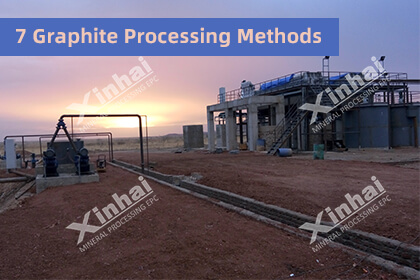
flotation cells in operation
Graphite processing is a critical stage in transforming raw graphite ore into valuable industrial products. With increasing demand from electric vehicles, energy storage systems, and high-tech industries, understanding graphite processing methods is essential for manufacturers, investors, and industry professionals. This guide provides a clear, step-by-step overview of how graphite is processed from raw ore to high-purity material.
01What Is Graphite Processing?
BackGraphite processing refers to the series of mechanical and chemical steps used to extract, refine, and upgrade graphite from mined ore. The goal is to improve purity, preserve flake size, and produce graphite suitable for various applications, especially battery-grade materials.
02Step 1: Crushing of Graphite Ore
BackThe first stage in graphite processing is crushing.
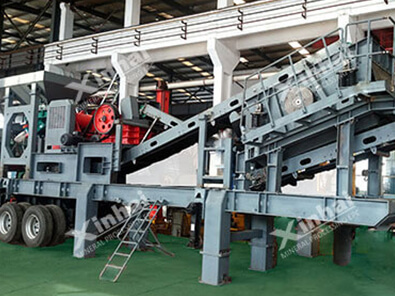
Large graphite ore is fed into crushers
The material is reduced to smaller, manageable sizes
Primary and secondary crushers are used
This step prepares the ore for further processing while minimizing damage to graphite flakes.
03Step 2: Grinding (Milling)
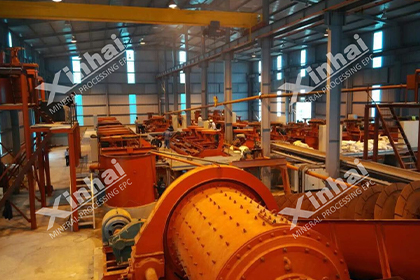
BackAfter crushing, the material undergoes grinding:
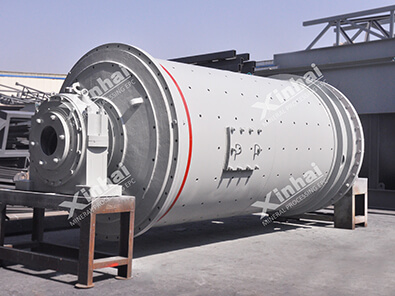
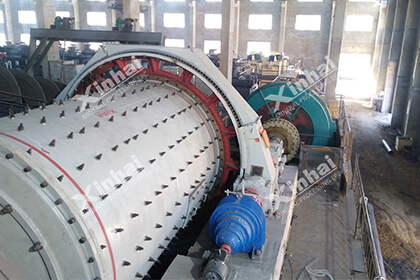
Grinding mills reduce particle size further
The goal is to liberate graphite flakes from surrounding minerals
Careful control is required to avoid over-grinding
Preserving flake size is crucial, as larger flakes have higher market value.
04Step 3: Flotation Separation
BackFlotation is the most important step in graphite processing.
Ground ore is mixed with water and flotation reagents
Air bubbles are introduced into the mixture
Graphite particles attach to bubbles and float to the surface
Impurities remain in the slurry
Multiple flotation stages are often used to increase graphite concentration.
05Step 4: Regrinding and Cleaning
BackTo improve purity:
The graphite concentrate may be reground
Additional flotation cycles remove remaining impurities
This stage enhances carbon content significantly
High-quality graphite products require careful cleaning and refinement.
06Step 5: Dewatering and Drying
BackOnce the graphite concentrate is purified:
Water is removed using filters or centrifuges
The material is then dried in industrial dryers
This step ensures the graphite is ready for further treatment or sale.
07Step 6: Classification and Screening
BackGraphite is classified based on particle size:
Screening equipment separates flakes into different sizes
Products are graded (fine, medium, large flake)
Different industries require specific graphite sizes and qualities.
08Step 7: Purification Methods
BackTo achieve high purity, especially for battery applications, further processing is required.
Chemical Purification
Uses acids to dissolve impurities
Can achieve very high purity levels
Thermal Purification
Involves heating graphite at extremely high temperatures
Removes impurities without chemicals
Battery-grade graphite often requires purity levels above 99.9%.
09Step 8: Spheronization (Optional for Batteries)
BackFor lithium-ion battery applications:
Graphite particles are shaped into spherical forms
Improves packing density and performance
Enhances battery efficiency
This is a specialized step for advanced applications.
10Step 9: Coating and Final Processing
BackIn some cases:
Graphite particles are coated (e.g., with carbon layers)
Improves conductivity and battery life
This step is essential for high-performance energy storage materials.
11Step 10: Packaging and Distribution
BackThe final graphite product is:
Packed according to grade and application
Shipped to manufacturers in industries such as batteries, steel, and electronics
12Key Graphite Processing Equipment
BackEfficient processing depends on advanced machinery:
Crushers and grinding mills
Flotation cells
Filters and dryers
Screening machines
Purification systems
Automation and energy-efficient technologies are increasingly used to improve productivity.
13Applications of Processed Graphite
BackProcessed graphite is used in a wide range of industries:
Lithium-ion batteries (largest growth sector)
Steel and refractories
Electronics and semiconductors
Lubricants and industrial uses
14Conclusion
BackGraphite processing is a complex, multi-step operation that transforms raw ore into valuable industrial materials. From crushing and flotation to purification and final processing, each step plays a vital role in determining product quality and performance.
As demand for graphite continues to grow—especially in clean energy and battery technologies—efficient and sustainable processing methods will be key to industry success.


RELATED PRODUCTS
-
Rod Mill
-
Mobile Crushing and Screening Equipment
-
Hydrocyclone Unit