+8618234403483
 yanzhang19990421@gmail.com



Sulfide Copper-Gold Ore Beneficiation Explained
 Laura
Laura
 Feb 11, 2026
 616
616
If you want to know more details about equipment, solutions, etc, please click the button below for free consultation, or leave your requirements!
 Message
 Chat Now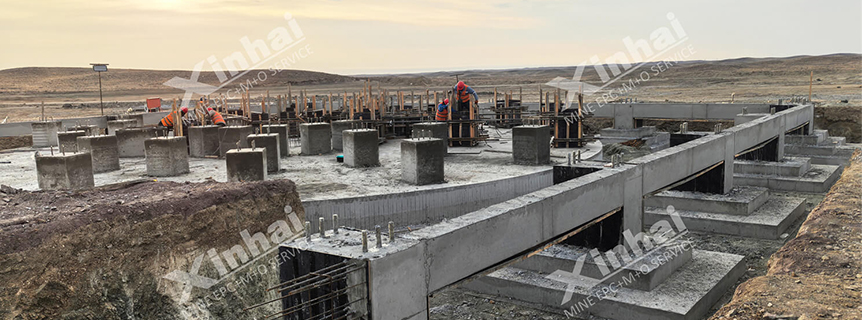
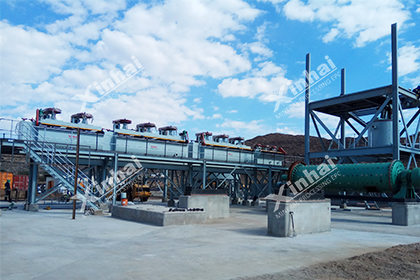
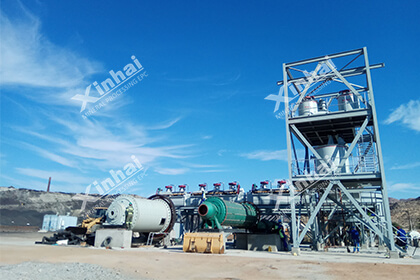
Construction of a 1.5 million tpa copper ore flotation plant
Sulfide copper-gold ores are one of the most important sources of copper and gold worldwide. Beneficiation—the process of extracting valuable minerals from ore—is critical to ensure maximum recovery of metals while minimizing environmental impact and operational costs. This article explains sulfide copper-gold ore beneficiation, the methods used, key equipment, and step-by-step processes.
01What Is Sulfide Copper-Gold Ore Beneficiation?
BackSulfide copper-gold ore beneficiation is the process of separating copper and gold minerals from sulfide-rich ores. These ores contain copper and gold in chemical combination with sulfur, forming minerals such as chalcopyrite, bornite, and enargite.
The primary goal of beneficiation is to:
Concentrate valuable minerals
Remove waste (gangue)
Prepare ore for smelting or refining
02Characteristics of Sulfide Copper-Gold Ores
BackBefore beneficiation, understanding ore characteristics is essential:
Copper content: Usually 0.5–5% by weight
Gold content: Varies from 0.5 to 10 g/t
Mineral composition: Chalcopyrite, pyrite, pyrrhotite, enargite
Physical properties: Hardness, grain size, and liberation characteristics affect processing efficiency
03Methods of Sulfide Copper-Gold Ore Beneficiation
BackSeveral beneficiation methods are used depending on ore type, mineralogy, and particle size.
1. Crushing and Grinding
Crushing reduces the ore to smaller fragments, while grinding produces fine particles to liberate copper and gold minerals.
Common equipment includes:
Jaw crushers and cone crushers
Ball mills, rod mills, or SAG mills
Key purpose: Enable separation of valuable minerals from waste rock.
2. Flotation
Flotation is the primary method for sulfide copper-gold ore beneficiation. This process uses chemicals and air bubbles to selectively separate minerals from gangue.
Steps in flotation:
Conditioning: Ore slurry is mixed with reagents to make mineral surfaces hydrophobic.
Air injection: Tiny air bubbles attach to hydrophobic particles.
Froth formation: Minerals rise with bubbles to form a froth concentrate.
Concentrate collection: Froth is removed and dewatered for further processing.
Flotation is highly effective for:
Chalcopyrite
Bornite
Gold associated with sulfide minerals
3. Gravity Separation (Optional)
Gravity separation may be used for coarse gold or high-density sulfide minerals.
Equipment includes:
Shaking tables
Spirals
Jigs
Gravity separation is often combined with flotation to improve overall recovery.
4. Magnetic Separation (For Some Ores)
For ores containing magnetic sulfide minerals (like pyrrhotite), magnetic separation can enhance beneficiation efficiency by removing unwanted gangue before flotation.
5. Thickening and Dewatering
After flotation, the concentrate contains significant water. Thickeners and filters are used to remove moisture and prepare the concentrate for smelting or further refining.
Benefits:
Easier transport
Reduced energy usage in smelting
Improved storage stability
04Equipment Used in Sulfide Copper-Gold Ore Beneficiation
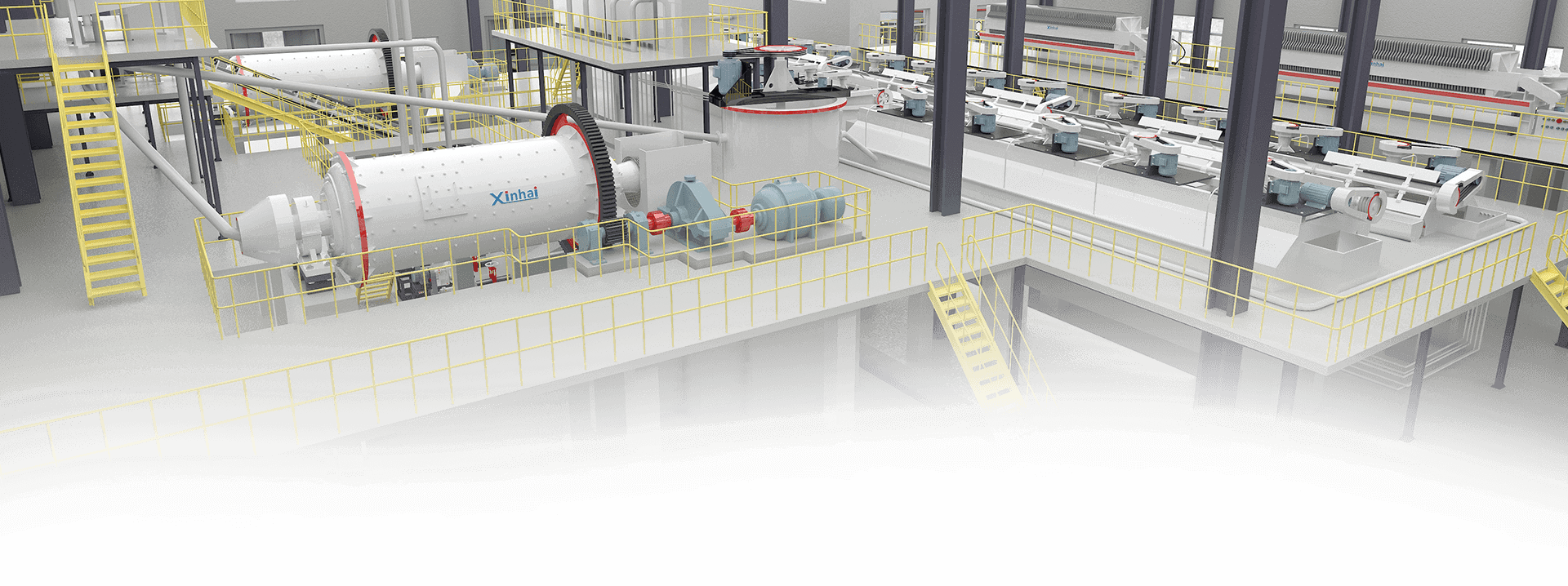
BackA typical beneficiation plant may include:
1. Crushers (jaw, cone)
2. Grinding mills (ball, rod, SAG)
3. Flotation cells
4. Thickeners and filters
5. Spiral concentrators or shaking tables
6. Magnetic separators (if required)
05Step-by-Step Sulfide Copper-Gold Beneficiation Process
Back1. Mining and ore delivery – Ore is mined and transported to the processing plant.
2. Crushing and screening – Ore is reduced in size for grinding.
3. Grinding – Ore is ground to liberate copper and gold minerals.
4. Flotation – Sulfide minerals are separated from gangue.
5. Gravity or magnetic separation (optional) – Enhances concentrate grade.
6. Dewatering – Water is removed to produce a dry concentrate.
7. Concentrate storage or pelletizing – Ready for smelting or further refining.
06Key Considerations for Effective Beneficiation
Back1. Ore mineralogy: Impacts reagent selection and flotation strategy
2. Particle size distribution: Fine grinding improves liberation but increases energy use
3. Reagent optimization: Enhances recovery rates and concentrate grade
4. Water management: Reduces environmental impact and operational cost
5. Automation: Modern control systems improve process efficiency
07Advantages of Sulfide Copper-Gold Ore Beneficiation
BackIncreased recovery of copper and gold
Reduced smelting costs by concentrating minerals
Improved product quality
Minimized environmental impact through efficient waste management
08Conclusion
BackSulfide copper-gold ore beneficiation is a complex but essential process for producing high-quality copper and gold concentrates. By combining crushing, grinding, flotation, and optional gravity or magnetic separation, mining operations can maximize recovery and efficiency.
A well-designed beneficiation plant not only increases profits but also ensures sustainable and environmentally responsible metal extraction.


RELATED PRODUCTS
-
Underground Auxiliary Equipment
-
Raymood Mill
-
Peripheral Transmission Thickener