+8618234403483
 yanzhang19990421@gmail.com



Antimony Ore Processing from Stibnite
 Laura
Laura
 Jan 29, 2026
 819
819
If you want to know more details about equipment, solutions, etc, please click the button below for free consultation, or leave your requirements!
 Message
 Chat Now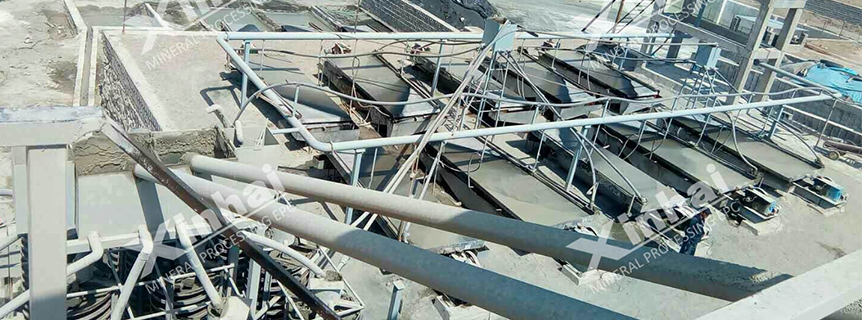
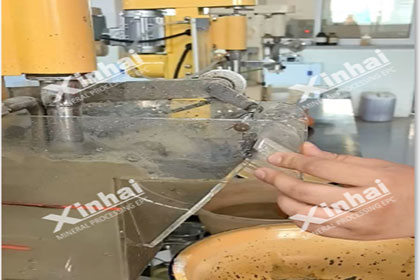
shaking tables and spiral chutes in operation
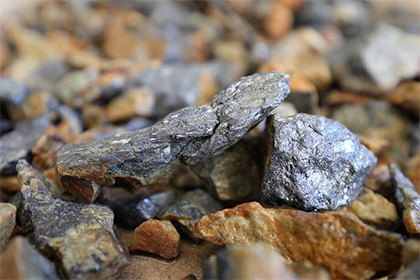
Antimony is a critical industrial metal widely used in flame retardants, alloys, batteries, and semiconductors. Stibnite (Sb₂S₃) is the primary and most economically important antimony mineral. Efficient antimony ore processing from stibnite is essential to achieve high recovery rates and produce marketable antimony concentrates or metal products. This article provides a comprehensive guide to stibnite beneficiation methods, equipment selection, and processing flowsheets.
01Overview of Stibnite Ore Characteristics
BackStibnite is a sulfide mineral characterized by:
High specific gravity
Brittle texture and easy cleavage
Strong natural floatability
Association with quartz, calcite, pyrite, and arsenopyrite
Because stibnite is soft and friable, it is prone to over-grinding, which can negatively affect flotation recovery. Therefore, careful control of crushing and grinding stages is critical.
02Antimony Ore Processing Methods
BackThe most common processing routes for stibnite ores include:
Gravity separation
Flotation
Gravity–flotation combined processes
Pyrometallurgical or hydrometallurgical treatment (downstream)
Among these, flotation is the dominant beneficiation method for fine-grained stibnite ores.
Stage 1: Crushing of Stibnite Ore
1. Purpose of Crushing
Crushing reduces run-of-mine antimony ore to a suitable size for grinding while minimizing the production of slimes.
2. Recommended Crushing Equipment
Jaw Crusher: Primary crushing for large stibnite ore
Hammer Crusher or Impact Crusher: Preferred due to the brittle nature of stibnite
Cone Crusher: Used cautiously to avoid excessive fines
3. Crushing Considerations
Avoid over-crushing to prevent slime generation
Use staged crushing with screening
Target crushed size: ≤20 mm
Stage 2: Grinding of Antimony Ore
1. Grinding Objectives
Grinding liberates stibnite crystals from gangue minerals while preserving particle integrity.
2. Grinding Equipment
Rod Mill: Ideal for reducing over-grinding
Ball Mill: Used in closed circuit with classifiers
3. Optimal Grinding Fineness
Typically 60–70% passing 200 mesh (74 μm)
Coarser grinding is often sufficient due to good floatability
Tip: Over-grinding creates slimes that reduce flotation selectivity and antimony recovery.
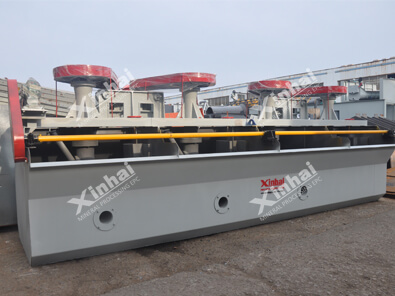
Stage 3: Antimony Flotation from Stibnite
1. Why Flotation Works for Stibnite
Stibnite exhibits excellent natural hydrophobicity, making it highly responsive to flotation with minimal reagent consumption.
2. Flotation Process Flow
Ground slurry enters flotation cells
Collectors enhance stibnite hydrophobicity
Air bubbles attach to stibnite particles
Antimony-rich froth is recovered as concentrate
3. Common Flotation Reagents
Collectors: Xanthates (e.g., ethyl or butyl xanthate)
Frothers: Pine oil, MIBC
Regulators: Lime (pH control)
Depressants: Sodium silicate (gangue suppression)
4. Flotation Circuit Design
Rougher–Cleaner flotation for high-grade concentrate
Gravity–flotation combination for coarse stibnite recovery
03Gravity Separation of Coarse Stibnite
BackFor coarse-grained stibnite ores, gravity separation is often effective due to the mineral's high density.
Common Gravity Equipment
Jig separators
Shaking tables
Spiral concentrators
Gravity separation reduces flotation feed volume and improves overall recovery.
04Improving Antimony Recovery and Concentrate Grade
BackKey optimization strategies include:
Controlled crushing to limit fines
Coarse grinding where possible
Low reagent dosage flotation
Pre-recovery of coarse stibnite by gravity methods
Regular mineralogical analysis
Modern plants increasingly adopt combined beneficiation flowsheets to maximize efficiency.
05Downstream Processing of Antimony Concentrate
BackAfter beneficiation, antimony concentrate may be:
Smelted to produce antimony metal
Roasted to antimony oxide (Sb₂O₃)
Treated hydrometallurgically for high-purity products
The downstream method depends on concentrate grade and final product requirements.
06Environmental and Safety Considerations
BackAntimony is toxic; proper dust and water management is essential
Tailings must be safely contained
Reagent selection should minimize environmental impact
Worker safety protocols are critical during flotation and smelting
07Conclusion
BackAntimony ore processing from stibnite relies on carefully controlled crushing, grinding, gravity separation, and flotation techniques. Due to stibnite's natural floatability and brittle nature, optimized size reduction and flotation conditions are key to achieving high recovery and concentrate grade. By combining appropriate equipment selection with process optimization, mining operations can significantly improve the economic and environmental performance of antimony beneficiation plants.


RELATED PRODUCTS
-
CLF Flotation Cell
-
Rotary Disc Vacuum Filter
-
Pregnant Solution Purification Tank