+8618234403483
 yanzhang19990421@gmail.com



The Ultimate Guide to Nickel Ore Beneficiation
 zeki
zeki
 Dec 30, 2025
 829
829
If you want to know more details about equipment, solutions, etc, please click the button below for free consultation, or leave your requirements!
 Message
 Chat Now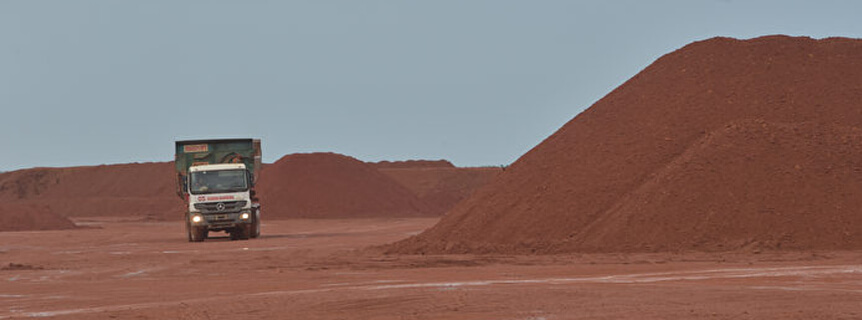
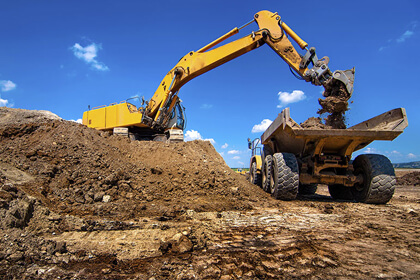
nickel mining site
Nickel is a crucial metal for manufacturing stainless steel and batteries, but it is contained within different types of rocks that require entirely different extraction methods. One type of rock is processed using physical "washing and sorting" methods, while the other requires chemical or high-temperature "smelting" techniques. This article explains these two core methods in plain language and discusses future trends.
01Main Components of Nickel Ore
BackNickel ore is the primary raw material for extracting metallic nickel. Based on genesis and composition, it is divided into two major categories: sulfide nickel ore and lateritic nickel ore (oxide nickel ore). Their compositions and characteristics differ significantly:
1. Sulfide Nickel Ore
(1) Main Components:
Primarily consists of nickel sulfides. Common minerals include:
Pentlandite: Chemical formula typically (Fe,Ni)₉S₈, the main nickel-bearing mineral.
Pyrrhotite: Contains minor nickel.
Chalcopyrite: Often associated with copper.
Frequently coexists with copper, cobalt, platinum group elements, etc., forming copper-nickel sulfide deposits.
2. Lateritic Nickel Ore (Oxide Ore)
(1) Main Components:
Limonite layer: Nickel coexists with iron oxides (containing 1%-1.5% nickel).
Saprolite layer: Nickel is hosted within silicate minerals (containing 1.5%-3% nickel, high magnesium content).
02Main Nickel Ore Beneficiation Methods
Back1. Sulfide Nickel Ore
Flotation: The primary method. Selective flotation or bulk flotation processes are commonly used to recover nickel, copper, and other metals.
Magnetic Separation-Flotation Combination: For ores containing pyrrhotite. Magnetic separation is used first for separation, followed by flotation for enrichment.
2. Lateritic Nickel Ore (Oxide Ore)
(1) Hydrometallurgy:
High-Pressure Acid Leaching (HPAL): Suitable for low-grade limonitic ores. Acid leaching extracts nickel and cobalt.
Atmospheric Acid Leaching: Used for saprolitic ores.
Roast-Leach: Nickel is converted to a soluble state via reduction roasting, followed by leaching.
(2) Pyrometallurgy:
Rotary Kiln-Electric Furnace (RKEF) Smelting: The mainstream process, producing nickel pig iron (NPI).
Sintering-Blast Furnace Smelting: Similar to ironmaking, produces nickel pig iron.
3. Other Methods
Gravity Separation: Used for pre-treatment or auxiliary recovery of coarse-grained nickel minerals.
Bioleaching: A potential technology for low-grade or complex ores.
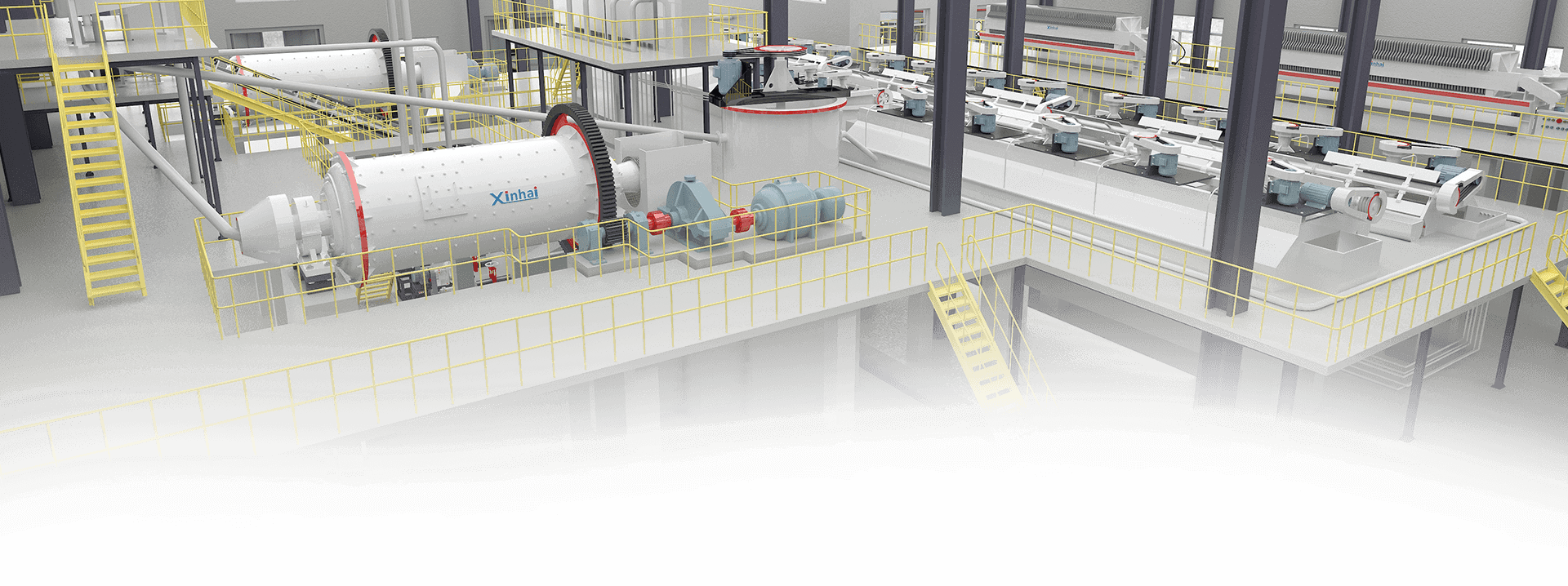
03Key Equipment for Sulfide Nickel Ore Beneficiation
BackThe core objective is crushing, grinding, and enrichment via flotation.
1. Crushing Equipment
(1)Primary Crushing:
Jaw Crusher
Gyratory Crusher
(2)Secondary Crushing:
Cone Crusher
(3)Tertiary/Fine Crushing:
Cone Crusher
2. Grinding and Classification Equipment
(1)Mills:
Semi-Autogenous Grinding (SAG) Mill
Ball Mill
Rod Mill
(2)Classification Equipment:
Hydrocyclone
3. Flotation Equipment
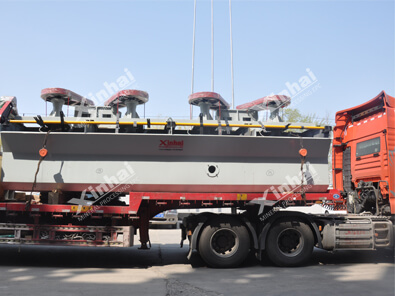
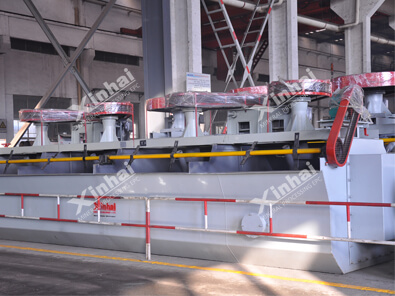
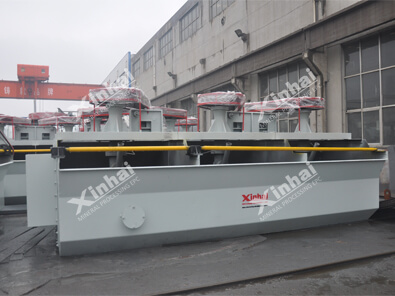
Mechanical Agitation Flotation Machine
Inflatable Agitation Flotation Machine
Flotation Column
4. Thickening and Filtration Equipment
(1)Thickener (Clarifier)
High-Rate Deep Cone Thickener
Inclined Plate Thickener
(2)Filter:
Vacuum Disc Filter
Chamber Filter Press
5. Auxiliary Systems
Reagent Feeders
Slurry Pumps
04Conclusion
BackNickel ore beneficiation primarily follows two routes: "physical flotation" for sulfide ores and "metallurgical extraction" for lateritic ores. The former produces high-grade concentrate through crushing, grinding, and flotation, offering lower costs and higher efficiency. The latter requires complex processes like high-pressure acid leaching or high-temperature smelting to produce nickel pig iron or intermediate products. Future technology will develop towards intelligence and low-carbon practices. By enhancing slag utilization and recycling, a more efficient and sustainable nickel resource supply chain will be established.


RELATED PRODUCTS
-
BF Flotation Cell
-
JJF Flotation Cell
-
SF Flotation Cell
.jpg "Laterite Nickel Ore Deposit")