+8618335758886
 laura@xinhaimining.com



Graphite Mining Guide: From Exploration to Extraction
 Laura
Laura
 Mar 30, 2026
 770
770
If you want to know more details about equipment, solutions, etc, please click the button below for free consultation, or leave your requirements!
 Message
 Chat Now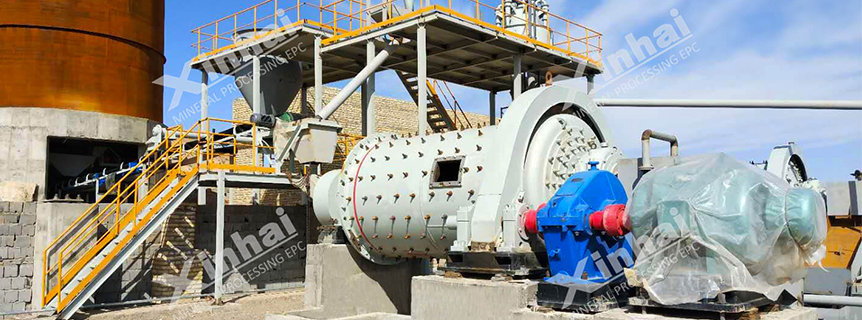
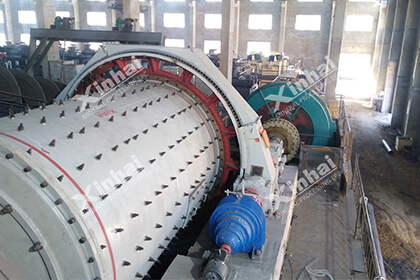
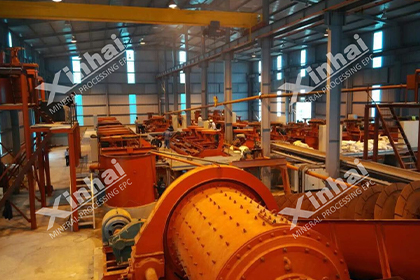
a ball mill in operation
Graphite has become a cornerstone mineral in modern industry, especially with the rapid growth of electric vehicles and energy storage systems. This guide walks you through the entire graphite mining journey—from early exploration to final extraction—helping you understand the processes, technologies, and opportunities shaping this essential sector.
01What Is Graphite and Why It Matters
BackGraphite is a naturally occurring form of carbon known for its conductivity, heat resistance, and lubricating properties. It plays a critical role in:
Lithium-ion batteries
Steel and refractory production
Electronics and semiconductors
Industrial lubricants
With the global shift toward clean energy, graphite demand is rising sharply, making mining operations increasingly important.
02Stage 1: Graphite Exploration
BackExploration is the first and most crucial phase in graphite mining. It determines whether a deposit is economically viable.
Geological Surveys
Geologists analyze rock formations and identify regions rich in carbon-bearing minerals.
Sampling and Drilling
Core samples are extracted to evaluate graphite content, flake size, and purity.
Resource Estimation
Advanced modeling techniques estimate the size and grade of the deposit, guiding investment decisions.
03Stage 2: Project Development
BackOnce a viable deposit is identified, mining companies move into development.
1. Feasibility Studies
These studies assess technical, economic, and environmental factors.
2. Permitting and Regulations
Mining projects must comply with environmental laws and obtain necessary permits before operations begin.
3. Infrastructure Setup
This includes building roads, power supply systems, and processing facilities.
04Stage 3: Graphite Mining Methods
BackThe mining phase involves removing graphite ore from the earth using appropriate mining techniques.
1. Open-Pit Mining
Used for shallow deposits
Lower operational cost
Easier access and higher production rates
2. Underground Mining
Suitable for deeper deposits
Higher cost but less surface disruption
Often used for high-grade graphite
The choice of method depends on deposit depth, ore quality, and economic considerations.
05Stage 4: Crushing and Grinding
BackAfter extraction, the graphite ore undergoes size reduction:
Crushing: Breaks large rocks into smaller pieces
Grinding: Further reduces size to liberate graphite flakes
Proper handling during this stage is essential to preserve flake size, which directly affects product value.
06Stage 5: Flotation and Separation
BackFlotation is the primary method used to separate graphite from impurities.
The crushed ore is mixed with water and chemicals
Air bubbles attach to graphite particles
Graphite rises to the surface and is collected
This process significantly increases graphite concentration.
07Stage 6: Purification and Refining
BackTo meet industrial standards—especially for battery applications—graphite must be purified.
Common Purification Methods
Chemical purification: Uses acids to remove impurities
Thermal purification: High-temperature treatment for ultra-high purity
Battery-grade graphite often requires purity levels above 99.9%.
08Stage 7: Drying, Screening, and Packaging
BackThe final steps prepare graphite for commercial use:
Drying removes moisture
Screening classifies graphite by size and grade
Packaging ensures safe transport to end users
09Equipment Used in Graphite Mining
BackEfficient graphite mining relies on specialized equipment:
Drilling rigs and excavators
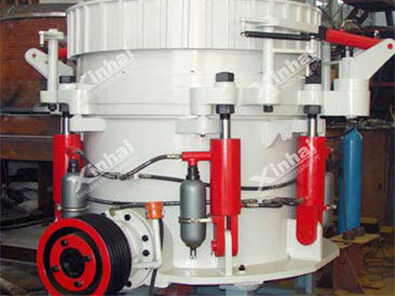
Crushers and grinding mills
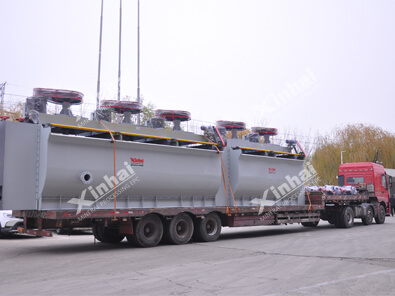
Flotation machines
Dryers and purification systems
Modern mining operations increasingly adopt automation and energy-efficient technologies.
10Environmental and Sustainability Considerations
BackGraphite mining can impact ecosystems if not managed responsibly.
1. Key Environmental Concerns
Water contamination
Land degradation
Energy consumption
2. Sustainable Practices
Recycling water in processing plants
Minimizing chemical usage
Rehabilitating mined land
Using cleaner energy sources
Sustainability is becoming a major factor in project approval and investor decisions.
11Global Graphite Mining Landscape
BackThe graphite industry is geographically diverse, with major producers including:
China
Mozambique
Madagascar
Brazil
Canada
As demand grows, new projects are emerging worldwide to secure supply for battery manufacturing.
12Challenges in Graphite Mining
BackDespite strong market demand, companies face several challenges:
Fluctuating graphite prices
High processing and purification costs
Environmental regulations
Competition from synthetic graphite
13Future Outlook
BackThe future of graphite mining is closely tied to technological advancement and clean energy trends.
Key Growth Drivers
Expansion of electric vehicles (EVs)
Growth in renewable energy storage
Increasing demand for battery-grade graphite
Companies that invest in efficient processing, sustainability, and innovation are likely to lead the market.
14Conclusion
BackGraphite mining is a complex yet highly rewarding industry, spanning multiple stages from exploration to extraction and beyond. Understanding each phase helps stakeholders make informed decisions and capitalize on the growing demand for this critical mineral.
As the world transitions toward cleaner energy solutions, graphite will remain at the center of industrial innovation—making mining operations more important than ever.


RELATED PRODUCTS
-
KYF Air Inflation Flotation Cell
-
Hydrocyclone
-
Hydraulic Cone Crusher