+8618335758886
 laura@xinhaimining.com



Open-Pit vs Underground Graphite Mining: Which Method Is Better?
 Sheena
 May 23, 2026
 405
405
If you want to know more details about equipment, solutions, etc, please click the button below for free consultation, or leave your requirements!
 Message
 Chat Now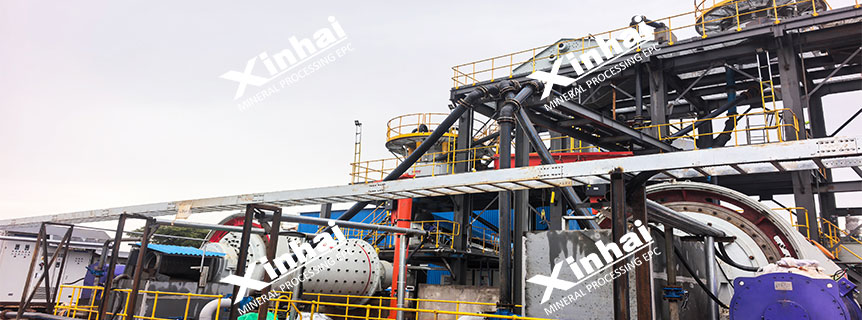
Graphite-Ore-Beneficiation-Site
As global demand for natural graphite continues to rise, mining companies are paying more attention to efficient and cost-effective graphite extraction methods. The two main commercial graphite mining methods are open-pit mining and underground mining. Each method has different operating characteristics, equipment requirements, and suitable geological conditions. Understanding the advantages and limitations of each approach is essential before developing a graphite mining project.
01Main Graphite Mining Methods
BackGraphite deposits can occur at different depths and geological structures, so mining companies select different extraction methods according to ore body conditions. The most common graphite mining methods are open-pit mining and underground mining, while small-scale manual mining is still used in some regions. Among these methods, open-pit and underground mining dominate modern industrial graphite production.
1.1 Open-Pit Graphite Mining
Open-pit mining is used when graphite ore bodies are located close to the surface. The mining process removes overburden and extracts ore in benches using large mining equipment. This method is widely used in large-scale graphite projects because of its high production efficiency and relatively low operating cost.
1.2 Underground Graphite Mining
Underground mining is suitable for graphite deposits located deep below the surface. Miners access the ore body through shafts, tunnels, and underground stopes instead of removing large amounts of surface rock. This method reduces surface disturbance and allows selective extraction of higher-grade graphite ore.
1.3 Manual or Small-Scale Mining
Some small graphite deposits are mined manually in developing regions. This method requires limited investment and simple equipment, making it suitable for low-capacity operations. However, productivity, safety, and ore recovery are usually much lower than modern mechanized mining systems.
02Characteristics of Open-Pit Graphite Mining
BackOpen-pit mining is currently the most common graphite extraction method worldwide. It is especially suitable for shallow, large, and continuous graphite deposits. Many graphite projects in Africa, China, and South America use this mining approach because of its economic advantages.
2.1 Lower Mining Cost
Open-pit mining usually has lower operating costs compared with underground mining. Large surface equipment can move more ore efficiently and reduce labor requirements. Lower mining cost is one of the main reasons why open-pit graphite projects are often economically attractive.
2.2 High Production Capacity
Open-pit mines can process large volumes of graphite ore continuously. The use of large excavators, haul trucks, and drilling equipment improves mining efficiency significantly. This makes open-pit mining suitable for large graphite processing plants and industrial-scale production.
2.3 Easier Mine Management
Surface mining operations are easier to monitor and manage than underground mines. Equipment maintenance, transportation, and mine expansion are generally simpler under open-pit conditions. Safety risks related to underground ventilation and tunnel collapse are also reduced.
2.4 Larger Environmental Impact
Open-pit mining requires the removal of large amounts of overburden and waste rock. This can create land disturbance, dust generation, and visual environmental impacts. Mine rehabilitation and environmental management therefore become important parts of project planning.
03Characteristics of Underground Graphite Mining
BackUnderground mining becomes necessary when graphite deposits are too deep for economical surface extraction. Although operating costs are higher, underground mining can access valuable ore resources that cannot be mined using open-pit methods. This approach is commonly used in mature mining regions or environmentally sensitive areas.
3.1 Access to Deep Ore Bodies
Underground mining allows companies to extract graphite deposits located far below the surface. Shafts and tunnels provide direct access to deeper ore zones without removing excessive waste rock. This makes underground mining more economical for certain deep graphite resources.
3.2 Smaller Surface Footprint
Compared with open-pit operations, underground mines disturb less surface land area. This reduces visual impact and minimizes interference with nearby communities or ecosystems. Underground mining is therefore often preferred in areas with strict environmental regulations.
3.3 Better Ore Selectivity
Underground mining allows more precise extraction of high-grade graphite zones. Miners can reduce dilution and improve concentrate quality by targeting specific ore sections. This selective mining approach can improve overall graphite recovery and economic performance.
3.4 Higher Capital and Operating Costs
Underground graphite mining requires ventilation systems, ground support, underground transport, and water management systems. These infrastructure requirements increase both initial investment and long-term operating expenses. Underground mining also requires stricter safety management and technical supervision.
.png "Underground Graphite Mining (1).png")
04Open-Pit vs Underground Graphite Mining
BackBoth mining methods have important advantages, but their suitability depends on deposit conditions and project goals. Mining companies must evaluate ore depth, graphite grade, stripping ratio, and environmental restrictions before making a decision. In many cases, economic feasibility studies determine which method is more profitable.
4.1 When Open-Pit Mining Is Better
Open-pit mining is generally better for shallow graphite deposits with large and continuous ore bodies. It offers lower mining costs, higher production capacity, and simpler operational management. This method is ideal for large commercial graphite projects seeking fast production growth.
4.2 When Underground Mining Is Better
Underground mining is more suitable for deep graphite deposits or areas with limited surface access. It reduces surface disturbance and allows selective mining of high-grade ore zones. This method becomes economically attractive when open-pit stripping ratios become too high.
4.3 Cost Comparison
Open-pit mining usually requires lower capital investment and lower operating costs per ton of ore. Underground mining involves more complex infrastructure and higher labor requirements, increasing total mining expenses. However, underground mining may provide better long-term value for high-grade or deep graphite resources.
4.4 Environmental Comparison
Open-pit mining creates larger surface disturbance and waste rock disposal challenges. Underground mining generally has a smaller surface footprint and lower visual impact. However, underground operations may require more energy consumption for ventilation and underground transportation systems.
05Factors Affecting Mining Method Selection
BackSelecting the correct graphite mining method requires detailed technical and economic analysis. Mining companies must evaluate geological conditions, production targets, environmental requirements, and investment capacity before finalizing mine design. Several key factors usually influence the decision-making process.
5.1 Ore Body Depth and Shape
Shallow and wide graphite deposits are usually suitable for open-pit mining. Deep, narrow, or steeply dipping ore bodies are often better suited for underground extraction. Ore geometry directly affects mining cost and operational efficiency.
5.2 Graphite Grade
High-grade graphite deposits can support the higher costs associated with underground mining. Lower-grade deposits generally require low-cost bulk mining methods such as open-pit mining. Ore grade therefore has a major influence on project economics.
5.3 Environmental Regulations
Environmental permitting requirements can affect mining method selection significantly. In some regions, large-scale surface mining faces stricter land-use and environmental restrictions. Underground mining may provide a more environmentally acceptable solution under these conditions.
5.4 Infrastructure and Investment
Mining method selection also depends on power supply, transportation access, water availability, and investment budget. Underground projects generally require higher initial capital expenditure and longer development periods. Open-pit projects are usually easier and faster to develop.
06Conclusion
BackOpen-pit and underground graphite mining are both important methods used in modern graphite production. Open-pit mining offers lower costs, higher production efficiency, and easier operation, making it suitable for shallow and large graphite deposits. Underground mining provides better access to deep ore bodies, smaller surface disturbance, and more selective extraction of high-grade graphite ore.
There is no single mining method that is best for every graphite project. The optimal choice depends on geological conditions, environmental factors, investment capacity, and long-term production goals. Through proper mine planning and feasibility analysis, mining companies can select the most suitable graphite mining method and improve the profitability and sustainability of their projects.


RELATED PRODUCTS
-
Spring Cone Crusher
-
Bulldozer Equipment
-
Pregnant Solution Purification Tank