+8618234403483
 yanzhang19990421@gmail.com



Top Gold Leaching Methods Used in Modern Mining
 Laura
Laura
 Apr 24, 2026
 571
571
If you want to know more details about equipment, solutions, etc, please click the button below for free consultation, or leave your requirements!
 Message
 Chat Now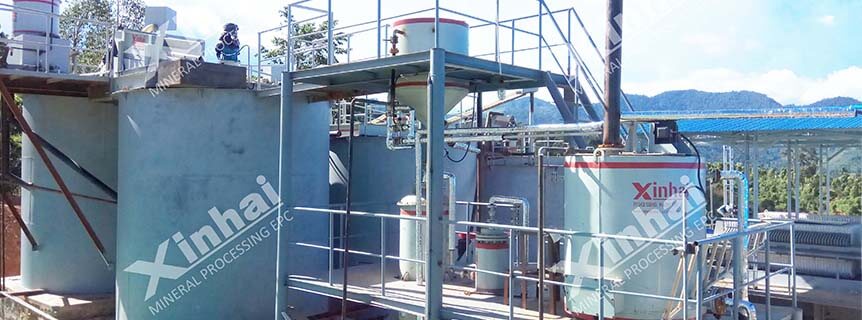
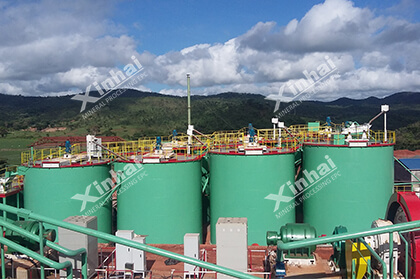
machines in a gold cip plant with 100tpd
Gold leaching is a core process in modern mining, allowing operators to extract gold from ores that are too low-grade for direct recovery methods. Over time, several leaching techniques have been developed to improve efficiency, reduce costs, and adapt to different ore types. Choosing the right method depends on mineral characteristics, plant scale, and environmental requirements.
01 Cyanide-Based Leaching Methods
BackCyanide leaching remains the most widely used approach in modern gold extraction. It is highly effective because it dissolves gold into a stable, water-soluble complex. This makes it suitable for large-scale operations as well as many small plants.
1. Carbon-in-Pulp (CIP) Process
The CIP process involves leaching crushed ore in tanks while activated carbon is added to absorb dissolved gold. The carbon is separated and processed to recover the gold afterward. This method is widely used due to its simplicity and strong recovery performance.
CIP works best when ore has already been finely ground before entering the tanks. It allows better control over adsorption and recovery stages. However, it requires careful carbon management to avoid losses.
2. Carbon-in-Leach (CIL) Process
CIL combines leaching and carbon adsorption in the same tank system. This integration reduces processing time and equipment requirements. It is often preferred for modern plants seeking efficiency and compact design.
Because leaching and adsorption occur simultaneously, gold recovery can be faster. Proper control of carbon concentration is essential for stable performance. CIL is especially effective for ores with moderate complexity.
3. Heap Leaching Method
Heap leaching is a low-cost method where crushed ore is stacked on large pads and irrigated with cyanide solution. The solution percolates through the heap, dissolving gold over time. It is commonly used for low-grade ores.
This method requires less infrastructure compared to tank systems. However, it takes longer to complete the extraction cycle. It is favored in large, low-cost mining operations.
02 Non-Cyanide and Alternative Leaching Methods
BackDue to environmental concerns, alternative leaching methods have been developed to reduce or eliminate cyanide use. These methods are often more complex but offer improved environmental safety. They are gaining attention in modern mining projects.
1. Thiosulfate Leaching
Thiosulfate leaching uses a less toxic chemical system to dissolve gold. It is particularly useful for ores that are difficult to process with cyanide. This method is considered more environmentally friendly.
However, the process is more sensitive and requires strict control of operating conditions. Chemical consumption can also be higher than traditional methods. Despite this, it is a promising alternative in regulated regions.
2. Chlorination Leaching
Chlorination involves using chlorine-based solutions to dissolve gold. It is effective under controlled industrial conditions and can achieve high recovery rates. This method is typically used for specialized applications.
The process requires careful handling due to the reactive nature of chlorine. Equipment must be resistant to corrosion and chemical damage. Its use is limited to specific ore types.
3. Bioleaching Techniques
Bioleaching uses microorganisms to break down ore and release gold. This biological process is slower but environmentally friendly. It is gaining interest for low-grade and complex ores.
Microorganisms help oxidize sulfide minerals, freeing trapped gold. The process requires controlled environmental conditions. While not widely used yet, it has strong future potential.
03 Gravity-Assisted and Hybrid Leaching Systems
BackModern mining often combines leaching with physical separation methods. These hybrid systems improve efficiency and reduce chemical usage. They are especially useful for complex or variable ores.
1. Gravity Pre-Concentration with Leaching
Gravity separation removes coarse gold particles before chemical processing. This reduces the load on leaching systems and improves efficiency. It is commonly used as a pre-treatment step.
By removing free gold early, chemical consumption is reduced. This also shortens leaching time and improves overall recovery. It is a cost-effective enhancement to traditional systems.
2. Intensive Leaching Systems
Intensive leaching is used for high-grade concentrates in small batches. It involves strong chemical conditions to quickly dissolve gold. This method is often used in gravity recovery circuits.
It is highly efficient for processing rich concentrates. However, it requires strict control and safety measures. It is typically used in specialized recovery units.
3. Integrated Modern Processing Plants
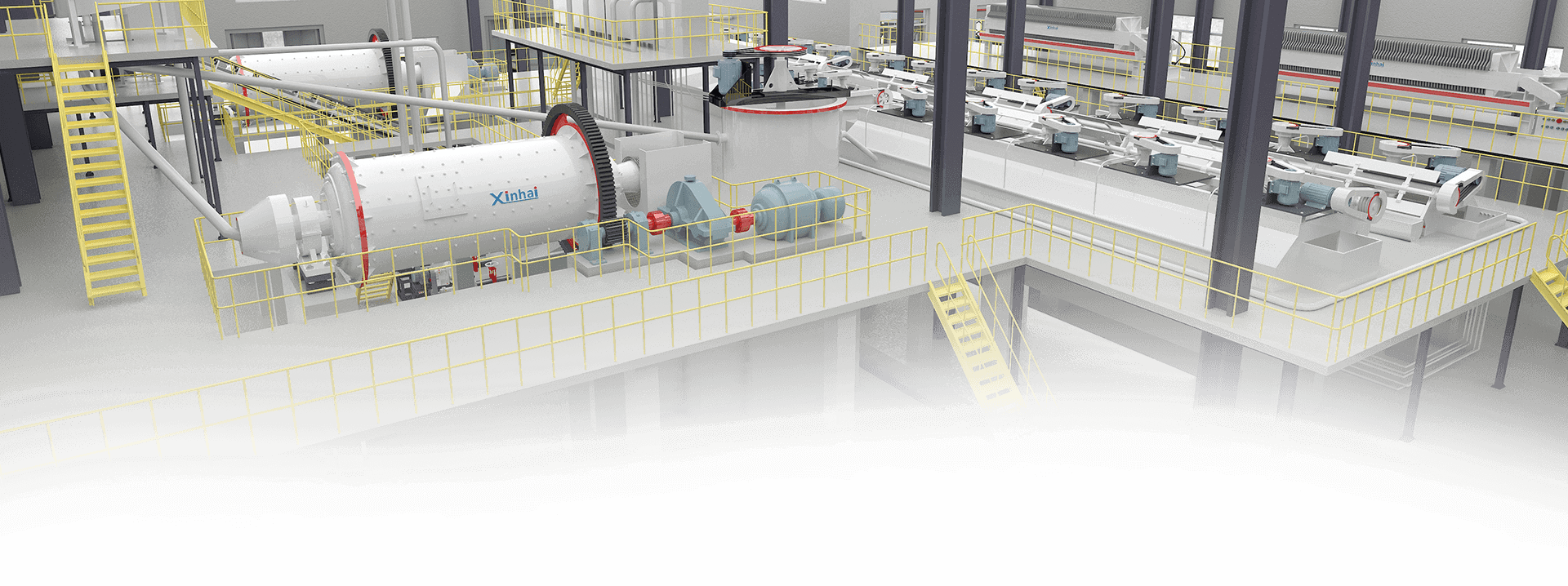
Modern plants often combine multiple methods into a single system. This includes gravity separation, cyanide leaching, and carbon recovery. The goal is to maximize efficiency across different ore types.
These integrated systems allow greater flexibility in processing. They can adapt to changes in ore quality. This makes them ideal for large-scale modern mining operations.
04 Conclusion
BackModern gold leaching methods have evolved to offer a range of options for different mining conditions. Cyanide-based systems remain dominant, but alternative and hybrid technologies are growing in importance. Each method has unique advantages depending on ore type and operational goals.
Selecting the right leaching approach is critical for efficiency, cost control, and environmental compliance. With continued innovation, gold extraction is becoming more efficient and sustainable.


RELATED PRODUCTS
-
Dry Magnetic Separator
-
Peripheral Transmission Thickener
-
Jig