+8618234403483
 yanzhang19990421@gmail.com



10 Key Steps in the Mica Processing Workflow
 Laura
Laura
 Jan 28, 2026
 502
502
If you want to know more details about equipment, solutions, etc, please click the button below for free consultation, or leave your requirements!
 Message
 Chat Now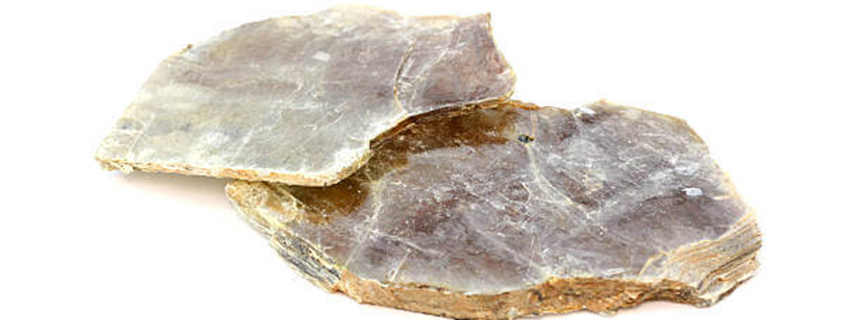
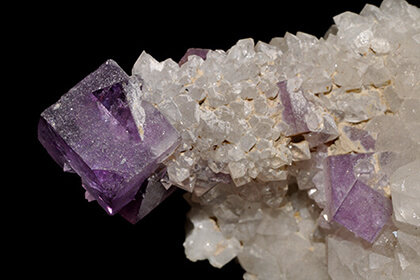
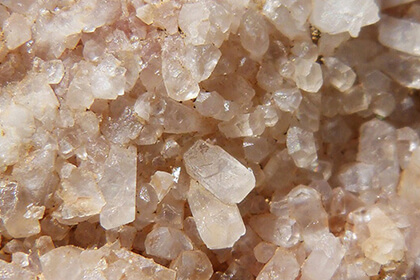
mica picture
Mica is a highly versatile industrial mineral used in electronics, insulation, paints, plastics, cosmetics, automotive components, and many other applications. Its unique structure and thermal/electrical properties make it invaluable across global industries. But before mica can be used, it must undergo a carefully controlled processing workflow.
Below are the 10 key steps in the mica processing workflow, explained to help manufacturers, suppliers, and buyers understand the full transformation from raw mineral to refined product.
01 Geologic Survey and Deposit Mapping
BackThe process begins with locating mica-rich regions through geologic mapping, sampling, and laboratory analysis. Identifying the mineral composition and concentration helps determine the most efficient mining method and expected production costs.
02 Extraction Through Open-Pit or Underground Mining
BackAfter confirming the deposit, extraction begins. Depending on the depth and terrain, companies use:
Open-pit mining for surface-level deposits
Underground mining for deeper mica veins
Care is taken to preserve natural mica flakes and prevent unnecessary breakage.
03 On-Site Sorting and Initial Cleaning
BackOnce removed from the earth, raw mica is manually sorted to remove large impurities, rocks, and unwanted materials. Early cleaning minimizes waste and increases separation efficiency during later processing steps.
04 Crushing and Size Reduction
BackThe mined material is transported to a processing facility where it is crushed into smaller fragments. Crushing helps break down rock formations, freeing mica flakes and preparing them for screening and separation.
05 Screening and Grain Classification
BackCrushed material passes through vibrating screens that separate it by size. This classification step:
Ensures consistent feed material
Improves efficiency during separation
Allows automatic removal of oversized pieces
Proper screening sets the foundation for high-purity mica products.
06 Advanced Separation and Beneficiation
BackDuring beneficiation, mica is separated from associated minerals such as quartz and feldspar. Separation methods may include:
Gravity separation
Air classification
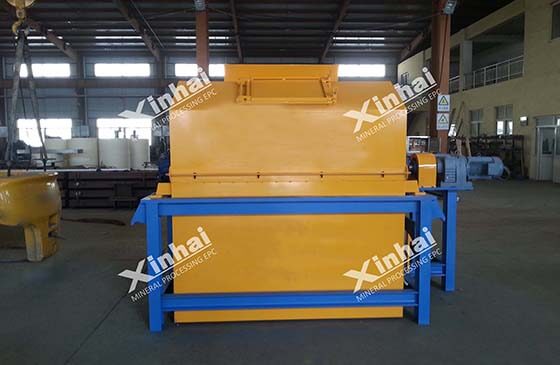
Magnetic separation
Froth flotation for fine particles
This is one of the most critical stages in the mica processing workflow because it determines final product purity.
07 Washing and Surface Treatment
BackAfter separation, the mica is washed to remove dust, clay particles, and other contaminants. Thorough washing improves clarity, color consistency, and overall appearance—especially important for cosmetic-grade mica.
08 Industrial Drying for Moisture Control
BackTo prepare the mineral for milling or packaging, moisture is removed using rotary dryers, flash dryers, or fluid-bed dryers. Controlled drying prevents agglomeration, improves flowability, and ensures stable long-term storage.
09 Milling, Grinding, and Final Particle Sizing
BackDepending on the end-use application, mica may be processed into:
Coarse mica flakes
Fine powders
Ultra-fine micronized grades
Jet mills, ball mills, roller mills, and pulverizers convert separated mica into the required particle size. Sophisticated classifiers ensure precise grading for industries such as electronics, coatings, and polymers.
10 Quality Assurance, Packaging, and Shipping
BackBefore leaving the plant, mica undergoes stringent quality control testing. Evaluations typically include:
Particle size analysis
Purity and mineral composition
Brightness and color consistency
Moisture level
Bulk density
Once approved, the mica is packaged in moisture-protected bags or bulk containers and shipped to manufacturers worldwide.
11Conclusion
BackThe 10 key steps in the mica processing workflow ensure the production of clean, consistent, high-quality mica suitable for countless industrial applications. From geological exploration to milling and final packaging, each step plays an essential role in transforming raw mica into a valuable, performance-ready mineral.


RELATED PRODUCTS
-
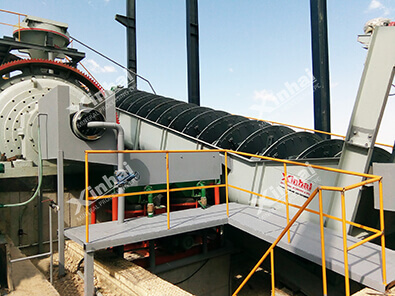
Submerged Spiral Classifier
-
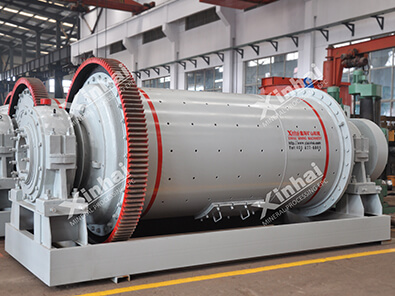
Energy Saving Ball Mill
-
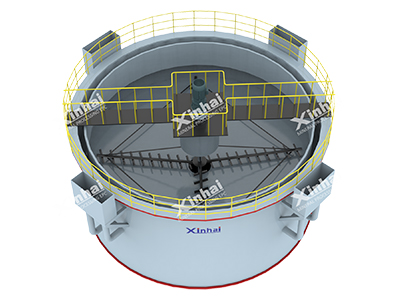
Washing Thickener