+8618335758886
 laura@xinhaimining.com



Graphite Manufacturing Plant Cost Breakdown
 Sheena
 Jan 21, 2026
 1717
1717
If you want to know more details about equipment, solutions, etc, please click the button below for free consultation, or leave your requirements!
 Message
 Chat Now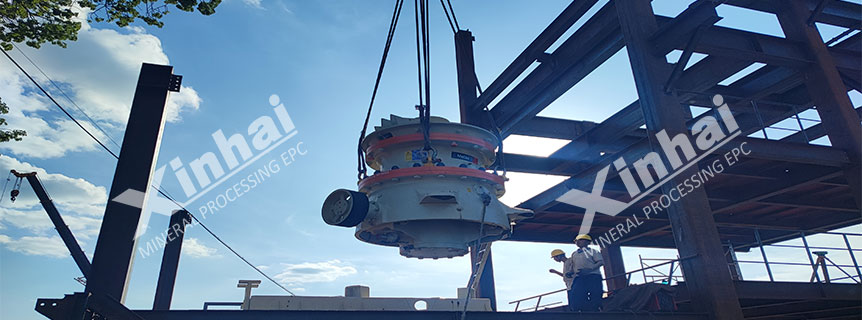
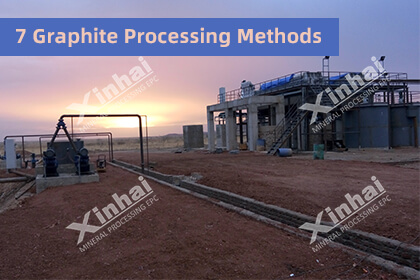
Graphite-beneficiation-plant-installation-site
Understanding the graphite manufacturing plant cost breakdown is essential for accurate project budgeting, risk assessment, and return-on-investment (ROI) planning.
This article provides a comprehensive breakdown of capital expenditure (CAPEX) and operating expenditure (OPEX) for graphite manufacturing plants, covering different production scales and product types, from flake graphite concentrate to spherical graphite and anode materials.
01Overview of a Graphite Manufacturing Plant
BackA graphite manufacturing plant typically converts raw graphite ore or graphite concentrate into marketable products. Depending on the target market, the plant configuration may include:
Crushing and grinding
Flotation and concentration
Drying and screening
Shaping and classification
Purification (chemical or thermal)
Coating and surface treatment (for battery graphite)
The complexity of the flowsheet directly influences the overall plant cost. Plants producing standard flake graphite concentrate are significantly less expensive than facilities manufacturing battery-grade spherical graphite or anode materials.
02Capital Cost (CAPEX) Breakdown
BackCapital expenditure represents the upfront investment required to design, build, and commission a graphite manufacturing plant. CAPEX usually accounts for 60–75% of total project cost during the development phase.
2.1 Land Acquisition and Site Development
Cost Share: 3–8% of total CAPEX
This includes:
Land purchase or long-term lease
Site clearing and earthworks
Roads, drainage, and fencing
Basic civil infrastructure
Costs vary significantly by region. Greenfield sites without existing infrastructure typically require higher site development budgets.
2.2 Plant Design and Engineering
Cost Share: 5–10% of total CAPEX
Engineering costs include:
Process flowsheet development
Equipment selection and sizing
Plant layout and civil drawings
Electrical and automation design
Environmental and safety engineering
Well-optimized engineering reduces long-term operating costs and improves recovery and product quality, making this a critical investment area.
2.3 Process Equipment Cost
Cost Share: 35–50% of total CAPEX
This is the largest single cost component in a graphite manufacturing plant.
Typical equipment includes:
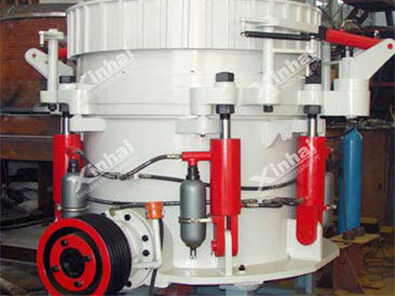
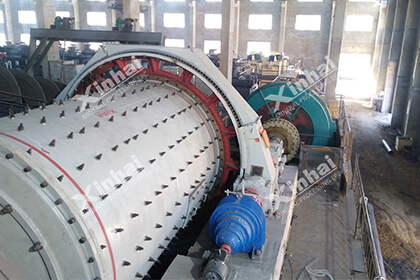
Crushers and mills
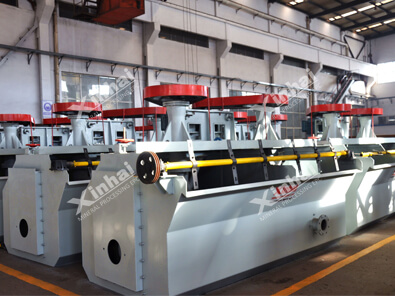
Flotation machines
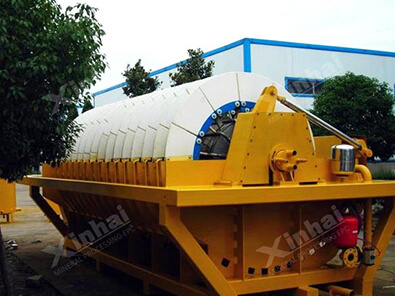
Thickeners and filters
Dryers and classifiers
Shaping mills and rounding machines
Purification systems
Material handling and storage systems
Battery-grade graphite plants require additional high-precision shaping and purification equipment, significantly increasing equipment cost per tonne.
2.4 Civil Construction and Buildings
Cost Share: 10–15% of total CAPEX
This category covers:
Plant foundations
Steel structures
Processing buildings
Warehouses and workshops
Control rooms and laboratories
The level of automation and environmental enclosure required will affect civil construction costs.
2.5 Electrical, Instrumentation, and Automation
Cost Share: 5–10% of total CAPEX
Includes:
Power supply and substations
Motors and drives
Instrumentation and sensors
PLC, DCS, and SCADA systems
Advanced automation improves consistency and reduces labor costs, particularly in high-purity graphite manufacturing.
2.6 Utilities and Environmental Systems
Cost Share: 5–10% of total CAPEX
Graphite processing requires reliable utilities, including:
Power distribution
Water supply and recycling
Compressed air systems
Wastewater treatment
Dust collection and emission control
Environmental compliance costs can be substantial, especially for purification processes involving chemicals or high-temperature treatment.
2.7 Installation, Commissioning, and Contingency
Cost Share: 10–15% of total CAPEX
This includes:
Equipment installation
Mechanical and electrical commissioning
Test runs and performance verification
Contingency allowance for unforeseen costs
A contingency of 8–12% is common in feasibility-level cost estimates.
2.8 Typical CAPEX Ranges
| Plant Scale | Capacity | Estimated CAPEX |
|---|---|---|
| Small | 30,000–60,000 tpa | USD 15–30 million |
| Medium | 60,000–80,000 tpa | USD 50–150 million |
| Large / Integrated | 80,000+ tpa | USD 300 million+ |
Battery-grade graphite and anode material plants generally fall at the upper end of these ranges.
03Operating Cost (OPEX) Breakdown
BackOperating expenditure determines the long-term competitiveness of a graphite manufacturing plant. OPEX is usually calculated on a per-tonne of finished product basis.
3.1 Raw Materials and Feedstock
Cost Share: 20–35% of OPEX
Includes:
Graphite ore or concentrate
Reagents for flotation
Chemicals for purification and coating
Higher-grade feed reduces processing costs and improves yield.
3.2 Energy Consumption
Cost Share: 15–25% of OPEX
Graphite manufacturing is energy-intensive, particularly during:
Fine grinding
Shaping and rounding
Thermal purification
Power cost sensitivity is a key factor when selecting plant location.
3.3 Labor and Staffing
Cost Share: 10–20% of OPEX
Labor costs depend on:
Level of automation
Local wage rates
Shift structure
Highly automated plants can significantly reduce labor intensity.
3.4 Maintenance and Spare Parts
Cost Share: 8–15% of OPEX
Includes:
Wear parts
Routine maintenance
Equipment overhauls
Graphite’s abrasive nature increases wear on grinding and shaping equipment.
3.5 Consumables and Utilities
Cost Share: 5–10% of OPEX
Includes:
Water
Compressed air
Packaging materials
Lubricants and minor consumables
3.6 Logistics and Product Handling
Cost Share: 5–10% of OPEX
Covers:
Internal material handling
Storage
Transportation to customers or ports
Export-oriented plants must consider port access and shipping costs.
3.7 Typical OPEX Ranges
Flake graphite concentrate: USD 300–600 per tonne
Spherical graphite: USD 800–1,500 per tonne
Battery anode material: USD 1,500–2,500 per tonne
Actual costs depend heavily on energy prices, feed quality, and plant efficiency.
04Key Factors Influencing Graphite Manufacturing Plant Cost
Back4.1 Product Specification
Higher purity and tighter particle size distribution increase both CAPEX and OPEX.
4.2 Plant Capacity
Larger plants benefit from economies of scale but require higher initial investment.
4.3 Location
Power availability, labor cost, logistics, and environmental regulations strongly affect total cost.
4.4 Level of Integration
Integrated mining-to-manufacturing projects have higher CAPEX but better supply chain control.
05Conclusion
BackUnderstanding the graphite manufacturing plant cost breakdown is critical for successful project planning and investment decision-making. Capital costs are driven primarily by equipment, plant complexity, and environmental systems, while operating costs are influenced by energy consumption, feed quality, and labor efficiency.
With proper engineering design, equipment selection, and cost control, graphite manufacturing plants can be economically viable and strategically valuable assets in the global energy transition and advanced materials markets.


RELATED PRODUCTS
-
Ceramic Vacuum Filter
-
Hydraulic Cone Crusher
-
XJB Bar Flotation Cell