+8618335758886
 laura@xinhaimining.com



Complete Guide to Setting Up a Mica Processing Plant
 Laura
Laura
 Jan 28, 2026
 510
510
If you want to know more details about equipment, solutions, etc, please click the button below for free consultation, or leave your requirements!
 Message
 Chat Now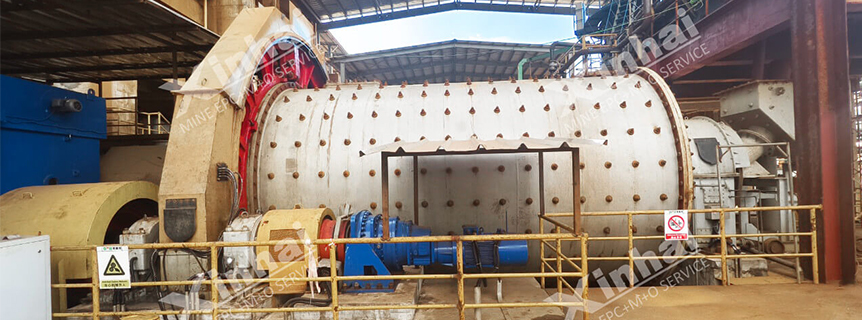
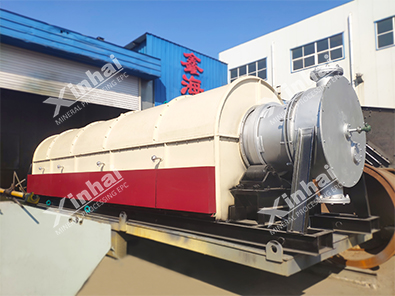
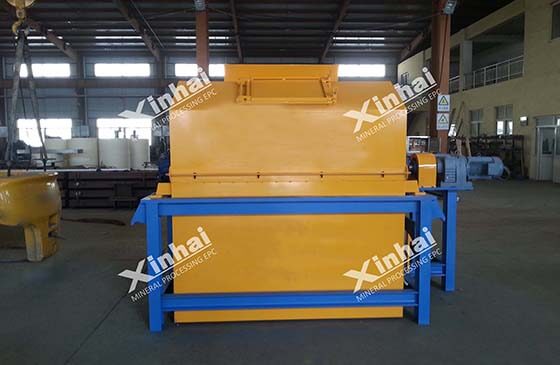
On-site picture of a grinding mill
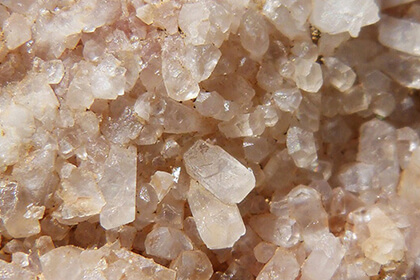
Mica is a vital industrial mineral widely used in construction materials, electronics, cosmetics, paints, plastics, and insulation products. As global demand for high-purity mica continues to rise, investing in a mica processing plant has become an attractive opportunity for mining companies and investors.
This complete guide explains everything you need to know about setting up a mica processing plant, from raw material preparation and processing methods to equipment selection and environmental considerations.
Understanding Mica and Its Industrial Applications
Mica is a group of silicate minerals known for their excellent electrical insulation, heat resistance, and layered structure.
The most commonly processed types include:
Muscovite mica
Phlogopite mica
Biotite mica
Key Applications of Processed Mica:
Electrical and thermal insulation
Construction materials and gypsum boards
Paints, coatings, and plastics
Rubber and automotive parts
Cosmetics and personal care products
Understanding the end-use requirements is crucial when designing a mica processing plant.
01Step 1: Raw Mica Ore Sourcing and Evaluation
BackThe first step in setting up a mica processing plant is securing a reliable mica ore supply.
Key Factors to Consider:
Mica grade and purity
Flake size distribution
Associated impurities (quartz, feldspar, iron oxides)
Mining method (open-pit or underground)
Proper ore testing and mineralogical analysis help determine the most suitable processing route.
02Step 2: Mica Crushing and Grinding Process
BackAfter mining, raw mica ore must be crushed and ground to liberate mica flakes without damaging their structure.
Common Crushing and Grinding Equipment:
Jaw crushers
Hammer crushers
Roller mills
Ball mills (used carefully to avoid over-grinding)
Maintaining flake integrity is essential, especially for applications requiring large mica flakes.
03Step 3: Mica Screening and Classification
BackScreening and classification separate mica flakes based on size and thickness, ensuring product consistency.
Common Classification Equipment:
Vibrating screens
Air classifiers
Hydrocyclones
This step allows producers to create different mica grades for various industrial applications.
04Step 4: Mica Beneficiation and Purification
BackTo achieve high-purity mica, beneficiation processes are applied to remove impurities.
Common Mica Beneficiation Methods:
Gravity separation
Magnetic separation (to remove iron-bearing minerals)
Flotation (for fine mica particles)
High-purity mica is critical for electrical and cosmetic-grade applications.
05Step 5: Mica Drying and Surface Treatment
BackAfter beneficiation, mica must be dried and sometimes surface-treated to enhance its performance.
Drying Equipment:
Rotary dryers
Flash dryers
Surface Treatment Options:
Silane coating
Fatty acid treatment
Surface-treated mica improves dispersion and compatibility in plastics, rubber, and coatings.
06Step 6: Mica Packaging and Storage
BackProper packaging and storage ensure product quality and prevent contamination.
Packaging Options:
Bags (25 kg or 50 kg)
Jumbo bags
Bulk containers
Moisture control and dust management are essential during this stage.
07Step 7: Plant Layout, Equipment Selection, and Automation
BackEfficient plant layout design minimizes material handling and operational costs.
Key Considerations:
Equipment capacity matching
Energy efficiency
Automation and process control
Scalability for future expansion
Modern mica processing plants often use automated systems to improve consistency and reduce labor costs.
08Environmental and Regulatory Considerations
BackEnvironmental compliance is a critical part of setting up a mica processing plant.
Important Environmental Measures:
Dust collection and suppression systems
Wastewater recycling
Tailings and waste management
Noise control
Compliance with local mining and environmental regulations ensures sustainable and legal operations.
09Cost Analysis and Investment Considerations
BackSetting up a mica processing plant requires careful financial planning.
Major Cost Components:
Land and infrastructure
Processing equipment
Power and water supply
Labor and maintenance
Environmental protection systems
A detailed feasibility study helps determine return on investment (ROI) and project viability.
10Conclusion
BackSetting up a mica processing plant involves a well-planned approach covering raw material sourcing, processing technology, equipment selection, and environmental management. By adopting efficient processing methods and modern automation, manufacturers can produce high-quality mica products that meet diverse industrial demands.
With proper planning and execution, a mica processing plant can be a profitable and sustainable investment in today's growing industrial minerals market.


RELATED PRODUCTS
-
Activated Carbon Regenerator
-
Press Filter
-
Surface Auxiliary Equipment