+8618234403483
 yanzhang19990421@gmail.com



What Is Flotation in Antimony Processing?
 Laura
Laura
 Jan 29, 2026
 623
623
If you want to know more details about equipment, solutions, etc, please click the button below for free consultation, or leave your requirements!
 Message
 Chat Now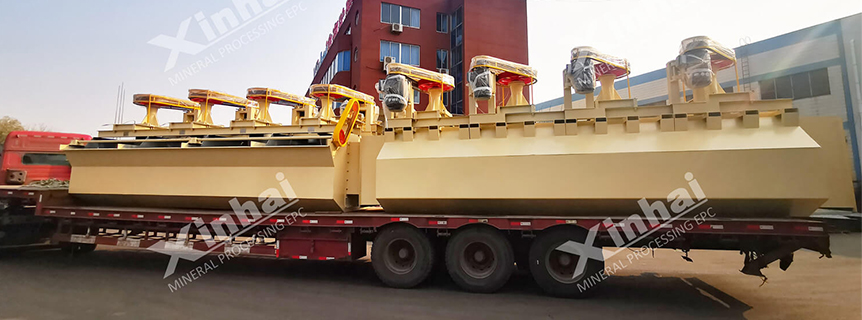
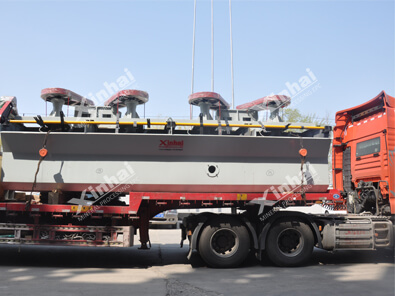
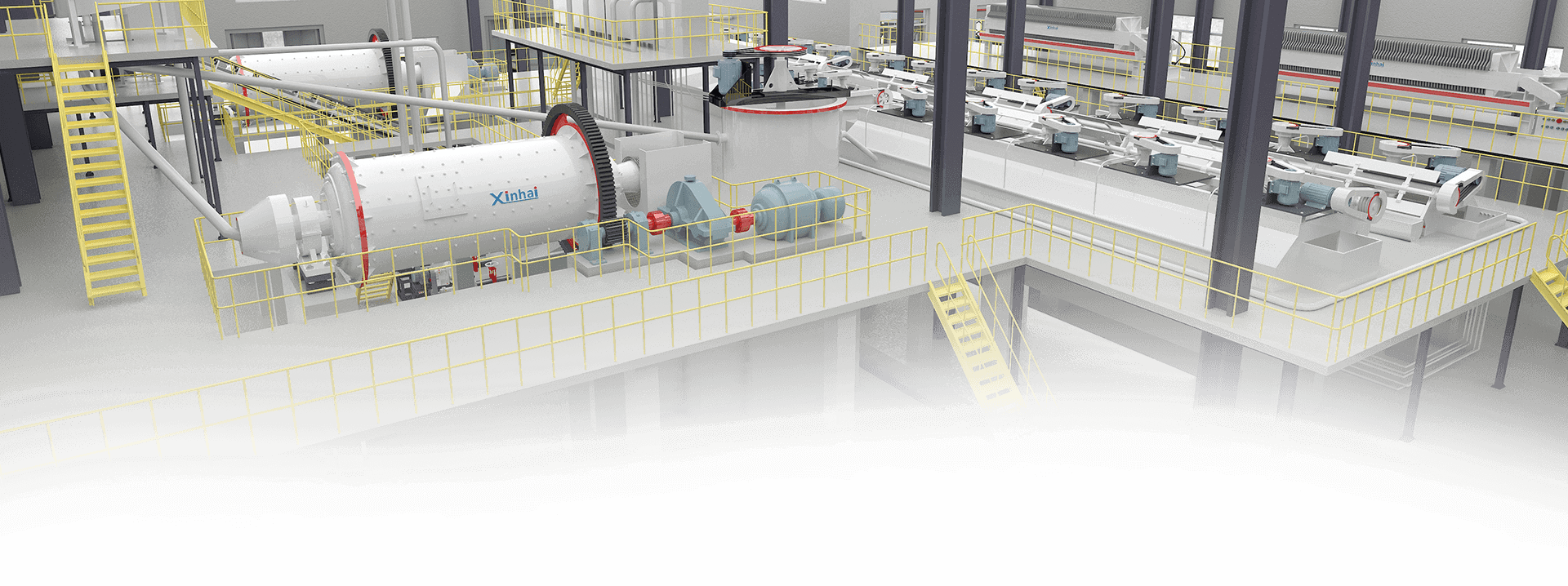
flotation equipment in transportation
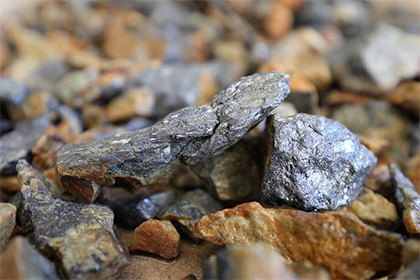
Antimony is an important industrial metal used in flame retardants, batteries, alloys, semiconductors, and chemical applications. However, raw antimony ore often contains a mixture of stibnite (Sb₂S₃), gangue minerals, and impurities. To achieve commercial-grade antimony, processors rely heavily on flotation, one of the most efficient mineral beneficiation methods.
This article explains what flotation is in antimony processing, how it works, and why it is essential for producing high-purity antimony products.
01What Is Flotation?
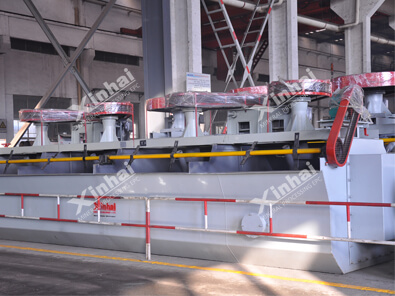
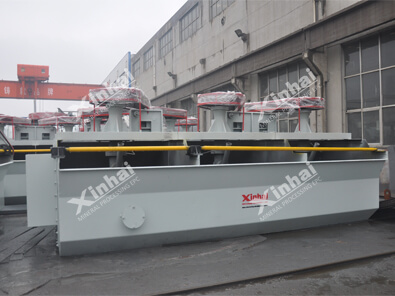
BackFlotation is a mineral separation technique that uses air bubbles, chemical reagents, and water to selectively attach to valuable antimony minerals and lift them to the surface of a flotation cell. Once the antimony-rich froth rises, it is skimmed off, leaving unwanted minerals behind.
In antimony processing, flotation is the primary concentration method for stibnite ore because it delivers high recovery rates and excellent purity.
02How Flotation Works in Antimony Processing
BackBelow are the key stages involved in applying flotation within antimony ore beneficiation.
1. Ore Crushing and Grinding
The ore is crushed and milled into fine particles. This increases the surface area of the minerals and ensures proper interaction with flotation reagents.
Fine grinding is essential because antimony sulfide minerals respond best when the particle size is optimized for bubble attachment.
2. Pulp Conditioning
Before flotation begins, the ground antimony pulp is mixed with water and specific reagents, including:
Collectors (help stibnite attach to bubbles)
Frothers (stabilize the froth layer)
Modifiers (depress impurities like quartz or calcite)
Conditioning ensures that antimony particles respond correctly during the separation phase.
3. Air Injection and Bubble Formation
Compressed air is introduced into the flotation cell, generating thousands of microscopic bubbles. These bubbles rise through the slurry, attracting antimony particles coated by collectors.
Stibnite particles attach to bubbles much more readily than gangue minerals, allowing selective separation.
4. Froth Formation and Concentrate Recovery
The antimony-rich bubbles form a froth layer at the top of the flotation cell. Operators skim or overflow the froth to collect the antimony concentrate, which now contains a much higher percentage of stibnite.
Multiple flotation stages may be used, such as:
Rougher flotation
Cleaner flotation
Scavenger flotation
This multi-stage approach maximizes recovery and purity.
5. Dewatering and Drying
The antimony concentrate is thickened, filtered, and dried. This prepares it for:
Direct sale
Further refining
Smelting into antimony metal or trioxide
03Why Flotation Is Important in Antimony Processing
BackFlotation plays a critical role in modern antimony ore beneficiation due to several advantages:
✔ High Selectivity
Flotation can distinguish between stibnite and surrounding waste minerals with excellent precision.
✔ High Recovery Rates
Well-optimized flotation circuits can recover a large percentage of the antimony contained in the ore.
✔ Enhanced Purity
The concentrated product is cleaner and suitable for smelting or chemical processing.
✔ Cost Efficiency
Compared to manual sorting or gravity methods, flotation is more efficient for fine-grained or complex ores.
✔ Suitable for Low-Grade Deposits
Flotation allows even low-grade antimony ore to be processed profitably.
04Applications of Flotation-Derived Antimony Concentrates
BackFlotation produces high-grade antimony concentrate used in:
Flame retardant materials
Lead-acid battery grids
Antimony trioxide production
Semiconductor components
Specialty alloys and coatings
This makes flotation a cornerstone of the global antimony supply chain.
05Conclusion
BackFlotation in antimony processing is a highly effective method for separating stibnite from gangue minerals. By using chemical reagents, air bubbles, and controlled processes, flotation delivers high recovery rates and produces high-purity antimony concentrate that serves a wide range of industrial applications.


RELATED PRODUCTS
-
BF Flotation Cell
-
JJF Flotation Cell
-
SF Flotation Cell