+8618335758886
 laura@xinhaimining.com



What Is Antimony Processing? Complete Guide for Beginners
 Laura
Laura
 Nov 27, 2025
 2436
2436
If you want to know more details about equipment, solutions, etc, please click the button below for free consultation, or leave your requirements!
 Message
 Chat Now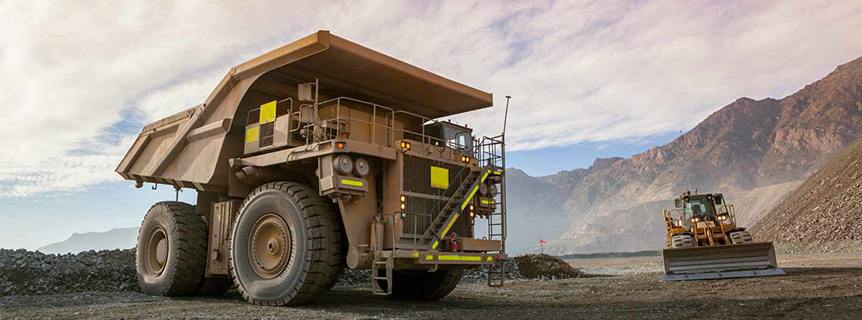
antimony mining
Antimony is a strategic metal used in flame retardants, batteries, alloys, and chemical applications. With growing demand for antimony products worldwide, understanding antimony processing has become increasingly important—especially for beginners entering the mining, metallurgy, or mineral-processing industries.
This complete beginner's guide explains what antimony processing is, how it works, key processing methods, and what equipment is needed to produce high-purity antimony products.
01 What Is Antimony?
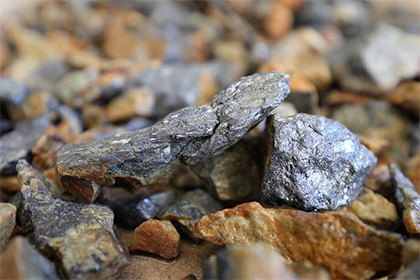
BackAntimony (Sb) is a semi-metal found mainly in the minerals stibnite (Sb₂S₃) and oxidized antimony ores. The majority of global antimony production comes from stibnite, which must undergo processing to separate and purify the antimony content.
02 What Is Antimony Processing?
BackAntimony processing refers to the series of steps used to extract antimony from ore and convert it into usable products such as antimony trioxide (ATO), metallic antimony, or antimony concentrates.
Processing typically includes:
Crushing and grinding
Ore beneficiation (separation and concentration)
Smelting or roasting
Refining into final antimony products
The goal is to increase antimony grade, remove impurities, and produce either metallic antimony or antimony compounds for industrial use.
03 Types of Antimony Ores
BackUnderstanding the ore type is the first step for beginners:
1. Sulfide Antimony Ores
Most common type
Primary mineral: stibnite (Sb₂S₃)
Usually processed by flotation
2. Oxide Antimony Ores
Formed by weathering of sulfide ores
Include senarmontite, valentinite, cervantite
Typically processed by gravity separation or direct smelting
3. Mixed Antimony Ores
Contain both sulfide and oxide forms
Require combined beneficiation processes
04 Antimony Processing Methods Explained
Back1. Crushing and Grinding
Antimony ore is crushed and ground to liberate antimony minerals from the surrounding rock. Fine particle size improves recovery during beneficiation.
2. Beneficiation (Concentration)
This step increases the grade of antimony before smelting.
A. Froth Flotation (Most Common Method)
Used primarily for sulfide ores.
Collectors like xanthates or dithiophosphates help stibnite attach to air bubbles and float.
Advantages:
High recovery
Suitable for low-grade ores
B. Gravity Separation
Used for coarse stibnite or oxide ores.
Common equipment includes:
Shaking tables
Spiral separators
Jigs
C. Combined Gravity–Flotation
Ideal for mixed ores where each mineral responds differently.
3. Smelting and Roasting
After beneficiation, antimony concentrate is converted into antimony metal or compounds.
A. Direct Smelting
Used for high-grade sulfide ores.
Produces crude antimony metal through reduction reactions.
B. Roasting–Smelting
Stibnite → roasted to form antimony oxide → reduced to metallic antimony.
C. Blast Furnace and Rotary Kiln Smelting
Used for large-scale production.
4. Refining
Final refining increases purity for industrial uses.
High-purity antimony may undergo:
Electrolytic refining
Fire refining
Vacuum distillation
The final products may include:
Antimony trioxide (ATO)
Antimony metal ingots
Antimony concentrates
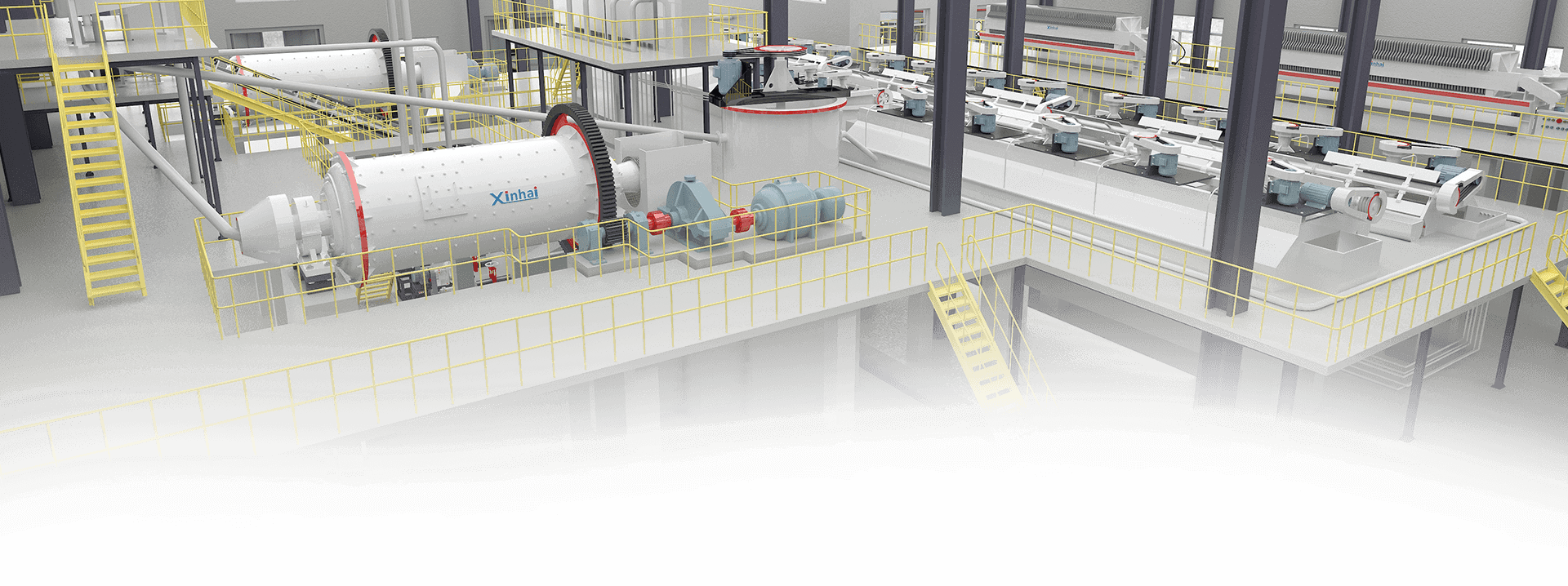
05 Common Equipment Used in Antimony Processing
BackBeginners should become familiar with essential equipment:
Jaw crusher, hammer crusher
Ball mill and classification equipment
Flotation cells
Shaking tables / jigs
Rotary kiln or furnace
Thickener and filter press
06 Tips for Beginners in Antimony Processing
BackIdentify the ore type first—processing flows depend heavily on mineral composition.
Use flotation for sulfide ores—most effective and widely used.
Consider gravity separation for oxide ores—cost-effective and simple.
Optimize grinding size—over-grinding may reduce flotation efficiency.
Recycling process water helps reduce cost and environmental impact.
07Conclusion
BackAntimony processing is the sequence of crushing, concentrating, smelting, and refining antimony ores to produce high-purity metal or antimony compounds. For beginners, understanding the ore type and choosing the correct beneficiation process—flotation, gravity separation, or combined methods—is essential for achieving high recovery and product quality.
As global demand for antimony continues to grow, mastering antimony processing provides valuable opportunities in mining, metallurgy, and industrial production.


RELATED PRODUCTS
-
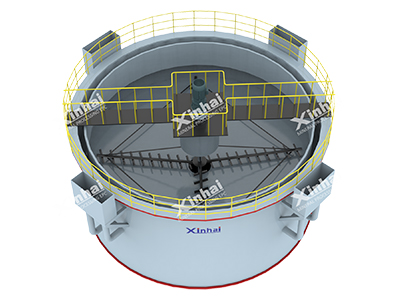
Washing Thickener
-
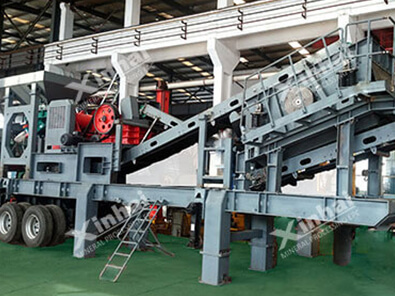
Mobile Crushing and Screening Equipment
-
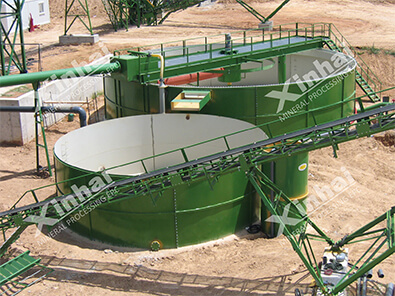
Hydraulic Motor Driving Center Thickener