+8618335758886
 laura@xinhaimining.com



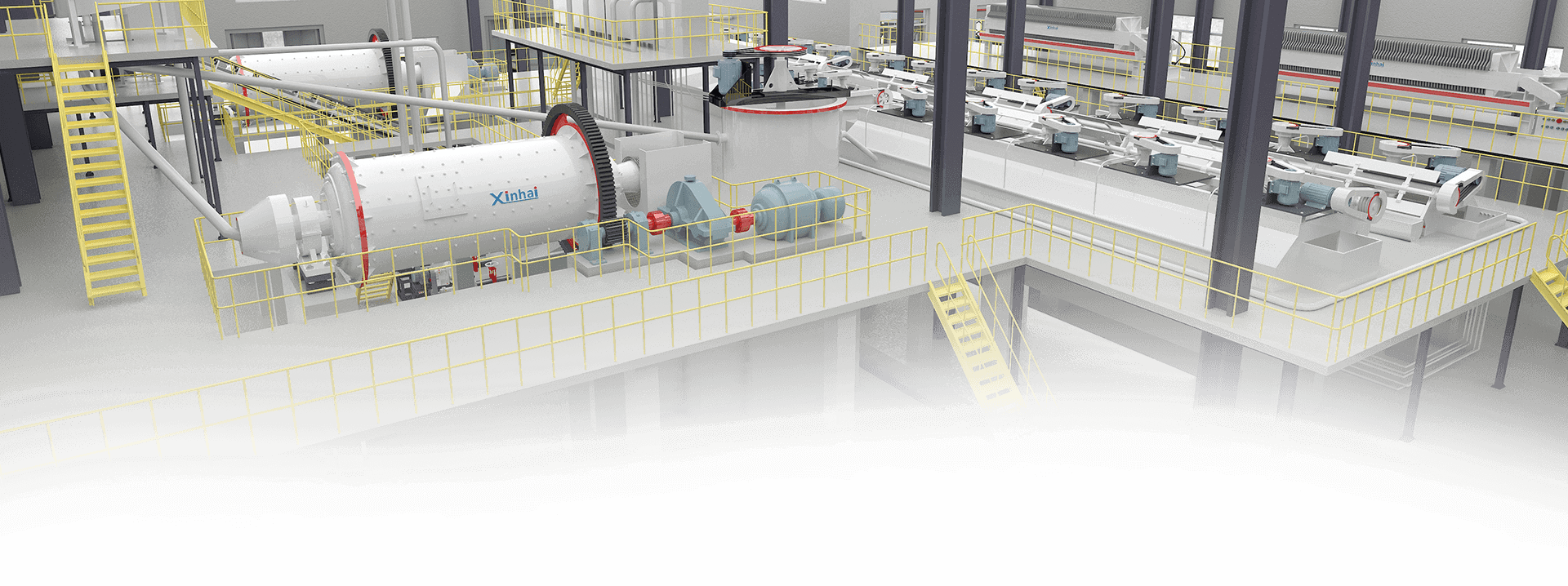
Complete Stibnite Processing Flow Chart Explained
 Laura
Laura
 Dec 25, 2025
 1415
1415
If you want to know more details about equipment, solutions, etc, please click the button below for free consultation, or leave your requirements!
 Message
 Chat Now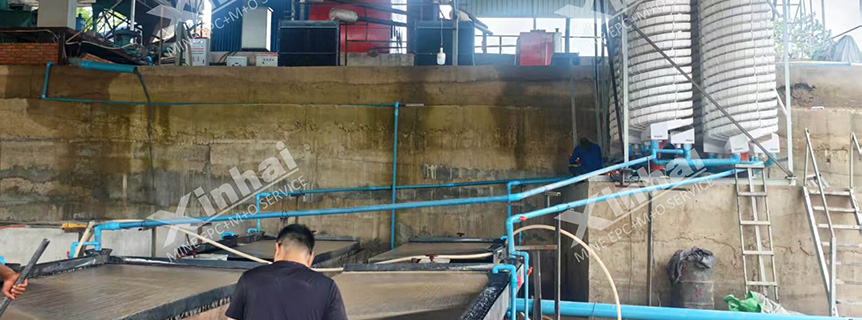
some shaking tables and spiral chutes at the antimony ore beneficiation plant
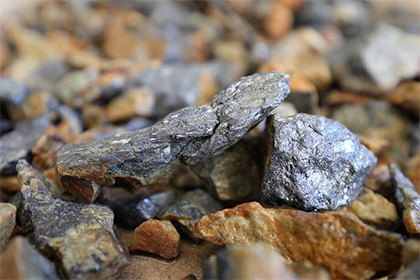
Stibnite (Sb₂S₃) is the most important mineral source of antimony, a strategic metal used in flame retardants, batteries, alloys, semiconductors, and chemical manufacturing. To achieve high recovery and concentrate grade, mining operations rely on a carefully designed stibnite processing flow chart.
This article provides a complete explanation of the stibnite processing flow chart, detailing each stage from raw ore to high-grade antimony concentrate.
Overview of the Stibnite Processing Flow Chart
A typical stibnite processing flow chart outlines the sequential steps required to liberate, separate, and concentrate antimony minerals efficiently.
Main Stages in the Flow Chart:
1. Ore mining and handling
2. Crushing and screening
3. Grinding and classification
4. Gravity separation
5. Flotation beneficiation
6. Concentrate dewatering and drying
7. Tailings treatment and water recycling
Each step is designed to maximize antimony recovery while minimizing losses and operating costs.
01Step 1: Stibnite Mining and Ore Preparation
BackThe flow chart begins with stibnite ore extraction, usually by open-pit or underground mining depending on deposit characteristics.
Key Objectives:
Maintain consistent ore feed grade
Minimize dilution and waste rock
Ensure stable plant operation
Run-of-mine (ROM) ore is transported to the processing plant for size reduction.
02Step 2: Crushing and Screening
BackCrushing and screening reduce the ROM ore to a size suitable for grinding and liberation.
Typical Equipment Used:
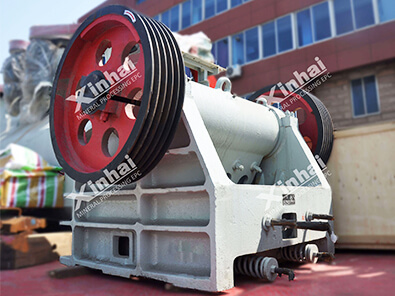
Jaw crushers (primary crushing)
Cone or impact crushers (secondary crushing)
Vibrating screens
Because stibnite is relatively soft and brittle, controlled crushing prevents excessive fine particle generation.
03Step 3: Grinding and Classification
BackAfter crushing, the ore enters the grinding and classification circuit.
Purpose:
Liberate stibnite crystals from gangue minerals
Achieve optimal particle size for separation
Common Equipment:
Ball mills or rod mills
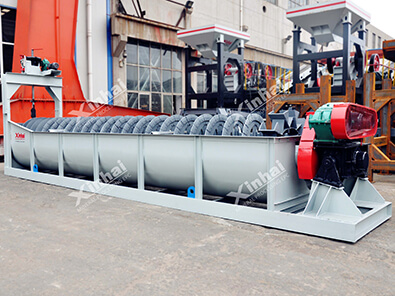
Hydrocyclones or spiral classifiers
Correct grinding fineness is critical to avoid slime losses during flotation.
04Step 4: Gravity Separation in the Flow Chart
BackDue to its high density, gravity separation is often included in the stibnite processing flow chart as a pre-concentration step.
Gravity Separation Methods:
Jig separators
Shaking tables
Spiral concentrators
This step removes coarse gangue early, improving flotation efficiency and reducing processing costs.
05Step 5: Flotation Beneficiation of Stibnite
BackFroth flotation is the core beneficiation stage in most stibnite processing flow charts.
Flotation Principles:
Collectors selectively attach to stibnite particles
Air bubbles carry hydrophobic particles to the froth
Gangue minerals remain in the slurry
Common Flotation Reagents:
Xanthates and dithiophosphates (collectors)
Pine oil or MIBC (frothers)
Lime and sodium silicate (modifiers)
Flotation produces a high-grade antimony concentrate suitable for smelting.
06Step 6: Concentrate Thickening, Dewatering, and Drying
BackAfter flotation, the concentrate contains significant moisture and must be thickened and dewatered.
Dewatering Equipment:
Thickeners
Vacuum filters
Filter presses
Drying reduces moisture content and prepares the antimony concentrate for transportation or further processing.
07Step 7: Tailings Treatment and Water Recycling
BackThe final stage in the stibnite processing flow chart focuses on tailings management and environmental protection.
Key Measures:
Tailings thickening and safe disposal
Water recovery and reuse
Monitoring antimony levels in effluent
Dust suppression systems
Modern plants prioritize sustainability and regulatory compliance.
08Factors Influencing Stibnite Processing Flow Chart Design
BackSeveral factors affect how a stibnite processing flow chart is designed, including:
1. Ore grade and mineral composition
2. Particle size distribution
3. Presence of other sulfide minerals
4. Desired concentrate grade and recovery
Customized flow charts ensure optimal performance for each deposit.
09Conclusion
BackA complete stibnite processing flow chart provides a clear roadmap for transforming raw antimony ore into a high-grade concentrate. By integrating crushing, grinding, gravity separation, flotation, and dewatering in the correct sequence, mining operations can maximize recovery and improve economic performance.
Understanding each step of the flow chart is essential for designing efficient, cost-effective, and environmentally responsible stibnite processing plants.


RELATED PRODUCTS
-
Jaw Crusher
-
Rock Drilling Equipment
-
High Dam Spiral Classifier