+8618234403483
 yanzhang19990421@gmail.com



Cost Analysis of Gold Processing Plants
 zeki
zeki
 Apr 28, 2026
 1543
1543
If you want to know more details about equipment, solutions, etc, please click the button below for free consultation, or leave your requirements!
 Message
 Chat Now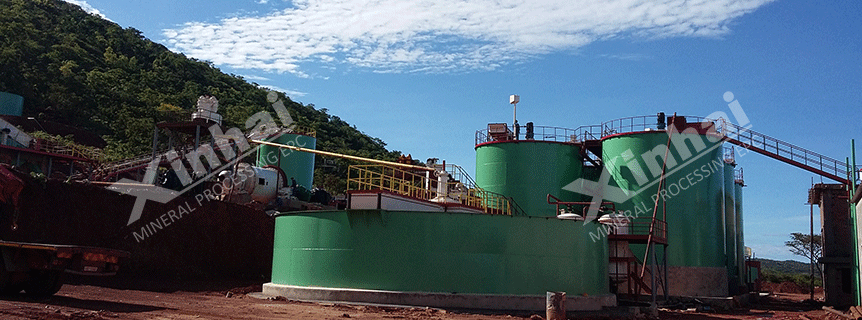
Zimbabwe Gold Processing Plant
As a globally stable precious metal, gold has a sustained and steady demand in fields such as investment, jewelry, electronics, and central bank reserves. With gold prices remaining at a high level, more and more investors and mining enterprises are planning to construct or upgrade gold mine processing plants. However, the construction and operation costs of gold mine processing plants are the core factors determining the feasibility and profitability of the project. This article will analyze the core factors affecting the costs of gold mine processing plants and provide practical guidance for optimizing production efficiency, gold recovery rate, and long-term sustainability.
01Fixed Asset Investment
BackThe initial capital expenditure (CAPEX) of gold mine processing plants varies significantly, mainly depending on factors such as plant capacity, ore properties, processing technology, infrastructure, and location.
The core investment components include:
1. Core Processing Equipment
(1) Crusher
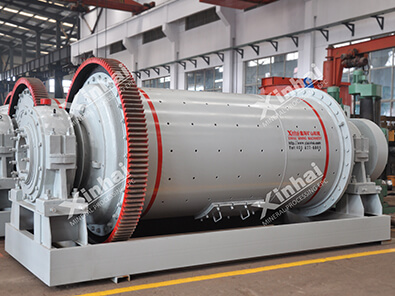
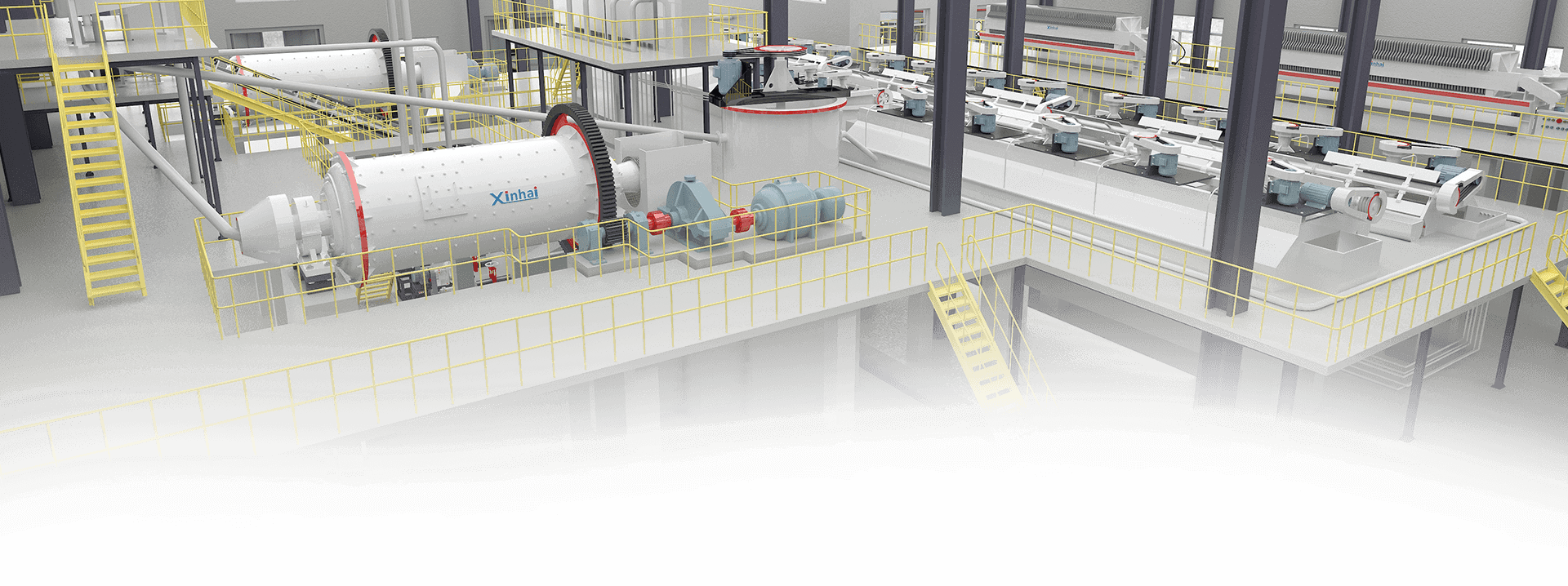
(2) Ball Mill
(3) Gravity Separation Equipment
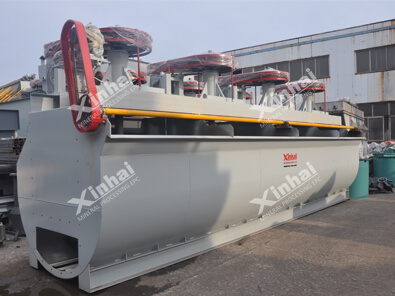
(4) Flotation Machine
(5) Leaching Tank
(6) Carbon-In-Leach (CIL)/Carbon-In-Pulp (CIP) System
(7) Electrowinning
2. Civil Engineering and Installation Works
Site leveling, equipment foundations, production workshops, tailings ponds, water supply systems, and power distribution facilities. Locations in remote mountainous areas or with complex terrain will increase earthwork and construction costs.
3. Electrical and Automation Systems
Power distribution equipment, Distributed Control System (DCS), detection instruments, and online monitoring equipment.
4. Public Utilities and Supporting Equipment
Water treatment systems, tailings treatment facilities, reagent storage warehouses, maintenance workshops, and security systems.
5. Engineering Design and Commissioning
Costs related to process design, project management, installation supervision, and trial production.
Operating expenses (OPEX) are the main component of the total cost of gold mine processing plants and directly affect the production cost per ounce of gold.
The main ongoing expenditures include:
1. Energy Consumption
The crushing and grinding links consume extremely high energy, usually accounting for 40%–50% of the total power consumption. Increases in electricity or diesel prices will significantly increase operating costs.
2. Reagents and Consumables
Cyanide, lime, activated carbon, flotation reagents, grinding media, and wearing parts. The consumption of consumables mainly depends on the ore type and process control level.
3. Labor Costs
Salaries of skilled operators, technical personnel, and managers. Labor costs and accommodation costs in remote mining areas are usually higher.
4. Maintenance and Repair
Costs for spare parts procurement, regular maintenance, and predictive maintenance, aiming to reduce unplanned downtime.
5. Tailings and Waste Disposal
Costs for tailings transportation, dehydration, and safe disposal; part of the costs can be reduced through waste recycling.
6. Security and Logistics
Costs for the storage and transportation of gold products, as well as third-party refining fees.
Global environmental and safety regulations are becoming increasingly stringent, and gold mine processing plants must invest funds to meet compliance requirements, which is also an important part of the cost composition.
Core compliance investments include:
1. Dust and Noise Control
Install bag filters, spray systems, and sound insulation facilities to ensure emissions meet standards.
2. Wastewater Treatment
Construct cyanide destruction, neutralization, and recovery systems to achieve zero discharge or safe discharge of wastewater.
3. Tailings Management
Construct safe tailings storage facilities, equipped with anti-seepage systems and long-term monitoring equipment to avoid environmental risks.
4. Safety Systems
Install gas detection equipment, fire-fighting systems, emergency response facilities, and provide Personal Protective Equipment (PPE) for employees to ensure the safety of personnel and assets.
5. Permits and Reporting
Conduct Environmental Impact Assessment (EIA), apply for relevant permits, and submit regular monitoring reports.
04Process Efficiency and Gold Recovery Rate
BackProcess efficiency and gold recovery rate are the most critical factors affecting the economic benefits of gold mine processing plants, directly determining the profitability of the project.
The main optimization directions include:
1. Process Flow Design
Match appropriate processes according to ore types—heap leaching process can be adopted for oxidized ore; carbon-in-leach (CIL)/carbon-in-pulp (CIP), flotation, or pressure oxidation processes are usually required for sulfide ore or refractory ore.
2. Crushing Process Optimization
Reasonably control the crushing and grinding particle size, which can not only improve leaching efficiency and gold recovery rate but also reduce energy waste.
3. Separation and Leaching Optimization
Adopt gravity separation process to recover free gold in advance before leaching; optimize the leaching and carbon adsorption processes to maximize the gold load.
4. Tailings Management
Monitor the residual gold content in tailings, and consider reprocessing old tailings to recover additional value and reduce waste emissions.
Stable product quality and purity are the keys to winning market pricing power and customer trust, and also an important link in cost control.
The core quality control system includes:
1. Laboratory Testing
Provide a basis for real-time adjustment of the production process through chemical analysis, grade analysis, and process monitoring.
2. Online Analysis
Adopt real-time elemental analyzers to achieve stable process control and reduce human errors.
3. Product Refining
Produce standard gold bars or high-purity gold products through on-site refining or entrusting third-party refining.
4. Traceability
Establish a full-chain traceability system from ore to final products to meet compliance requirements and enhance brand influence.
Production scale directly determines the cost structure and market competitiveness of gold mine processing plants, and plants of different scales have their own advantages.
(1) Large-Scale Processing Plants
They can fully enjoy the advantages of economies of scale, including cost reduction through bulk purchasing, lower unit energy and labor costs, more efficient logistics processes, and easier access to preferential financing conditions.
(2) Small and Medium-Scale Processing Plants
They have lower initial investment and shorter construction cycles, can flexibly adapt to changes in ore properties, and are more suitable for the development of ore deposits in remote mining areas.
The construction and operation of gold mine processing plants need to comprehensively consider various cost factors such as fixed asset investment, daily operations, compliance requirements, process efficiency, product quality, and production scale. Although initial investment and regulatory requirements bring certain challenges, sustainable cost savings and higher profitability can be achieved through strategic investment in advanced technologies, process optimization, energy efficiency, and environmental management. By focusing on improving gold recovery rate, stabilizing product quality, and achieving economies of scale, operators can build cost-effective and market-competitive gold mine processing plants, which can meet market demand while fulfilling environmental and social responsibilities.


RELATED PRODUCTS
-
XCF Air Inflation Flotation Cell
-
Energy Saving Ball Mill
-
Leaching Agitation Tank