+8618335758886
 laura@xinhaimining.com



Efficient Separation Technology and Practice of Quartz-type Fluorite Ore
 zeki
zeki
 May 22, 2026
 440
440
If you want to know more details about equipment, solutions, etc, please click the button below for free consultation, or leave your requirements!
 Message
 Chat Now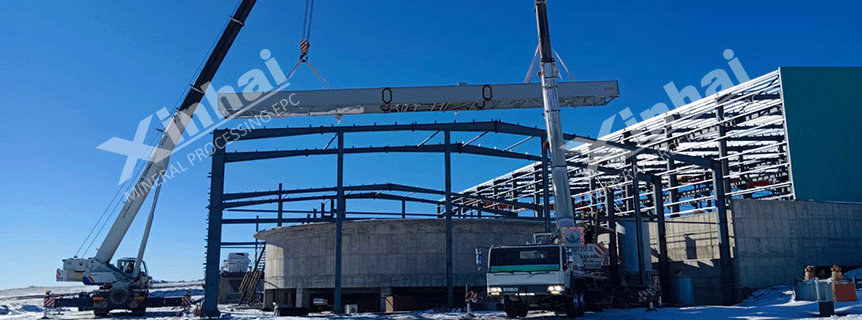
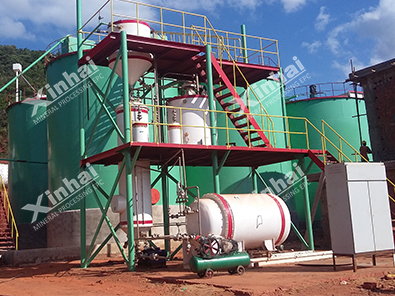
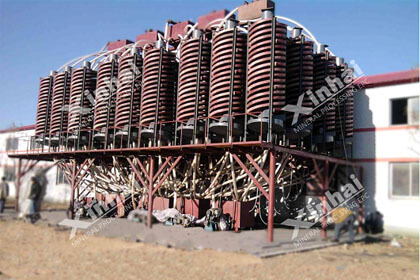
Mongolia-800-tpd-Fluorite-Beneficiation-Plant
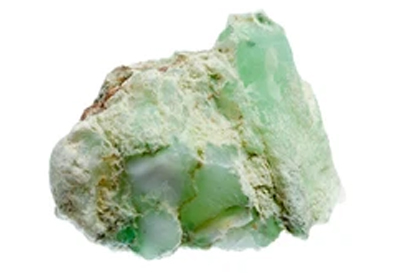
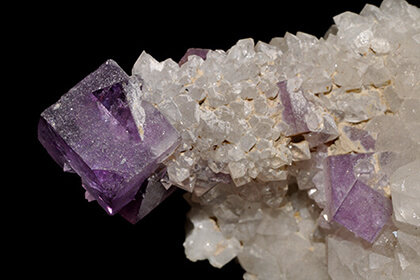
Fluorite is an indispensable strategic non-metallic mineral in industrial production. Featuring outstanding chemical stability and optical properties, it is widely applied in hydrofluoric acid preparation, metallurgical fluxing, glass and ceramics manufacturing, optical instruments, new energy materials and other pivotal fields. As high-grade and easily separable primary fluorite resources in China keep depleting, quartz-type fluorite ore with stable ore properties and controllable impurities has become the major raw material for fluorite mining and processing. This ore type boasts mature beneficiation processes, strong adaptability and steady production performance. Adopting refined flotation technology, it can stably produce high-purity acid-grade and metallurgical-grade fluorite concentrates to meet high-end production demands of various industries.
01Ore Characteristics and Separation Difficulties of Quartz-type Fluorite Ore
BackQuartz-type fluorite ore has a simple mineral composition, mainly composed of fluorite and quartz, with fluorite grade ranging from 80% to 90%. Gangue minerals are dominated by quartz, accompanied by trace calcite, barite, pyrite and clay slime without complex paragenetic structures, presenting excellent basic separability.
Based on actual mining conditions, the ore is categorized into coarse-grained disseminated ore and fine-grained disseminated ore, which bring distinct separation challenges:
(1)Coarse-grained disseminated ore: Uniform particle size with easy monomer dissociation of fluorite. Effective separation can be achieved via conventional grinding. It delivers high recovery rate, low reagent consumption and simple production control, ranking as the optimal fluorite ore type for separation.
(2)Fine-grained disseminated ore: Microfine fluorite particles are mostly encapsulated inside quartz or closely intergrown with quartz, leading to difficult separation. Insufficient grinding fineness results in undissociated fluorite lost in tailings; excessive grinding generates massive slime that adsorbs reagents and entrains gangue, causing excessive silicon content and degraded concentrate quality, which acts as the primary technical bottleneck in production.
02Comparison of Conventional Separation Processes and Applicable Scenarios
BackThree mainstream separation methods including hand sorting, gravity separation and flotation are adopted targeting ore characteristics, among which flotation serves as the dominant industrial process.
1.Manual hand sorting
A primitive pretreatment method for manual removal of large waste rock and high-grade ore. It only applies to lump ore with obvious grade difference and merely used for preliminary impurity elimination.
2.Gravity separation
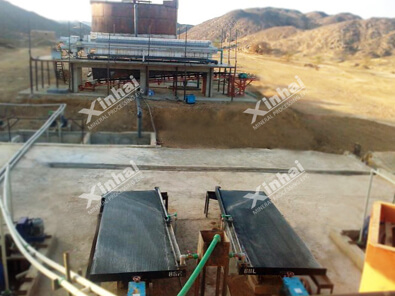
Mainly jigging and shaking table separation based on density difference between fluorite and quartz. It features zero reagent consumption, environmental friendliness and low operation cost, yet only suitable for pre-tailing to reduce subsequent equipment load.
3.Flotation process
The prevailing core separation technology. It realizes selective flotation of fluorite and effective inhibition of quartz by adjusting pulp conditions and applying dedicated reagents according to surface hydrophobicity differences. Free from particle size restrictions, the process adapts to both coarse and fine ores with high separation precision, stable concentrate quality and superior resource recovery rate.
03Full-process Refined Flotation Technology for Quartz-type Fluorite Ore
Back1.Crushing and Grinding
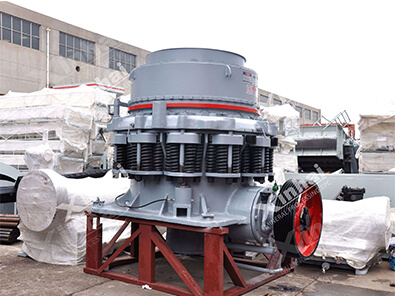
Crushing and grinding lay the foundation for flotation upgrading. The core principle is adequate dissociation while avoiding over-grinding and slime generation. A two-stage closed-circuit crushing flow is widely applied in industrial production.
Grinding parameters are adjusted according to ore dissemination features:
(1)Coarse-grained disseminated ore: Single-stage grinding is adopted, with the proportion of particles finer than 0.074 mm controlled at about 55% to satisfy roughing dissociation requirements.
(2)Fine and unevenly disseminated ore: Stage grinding and stage separation are implemented. Primary rough grinding and preliminary separation are conducted first, followed by regrinding of rough concentrate to raise the proportion of particles finer than 0.043 mm above 70%.
2.Reagent Regime
Reagent system determines flotation separation efficiency.
(1)pH regulator: Adjust pulp to weak alkaline environment of pH 8-9 to neutralize acidic impurities, stabilize mineral surface electrical properties and eliminate activation interference of metal cations on quartz.
(2)Depressant: Specifically inhibits silicate gangue such as quartz with strict dosage control.
(3)Collector: Oleic acid, sodium oleate and oxidized paraffin soap are commonly used to selectively attach to fluorite surface and enhance hydrophobicity.
3.Closed-circuit Flotation Separation Flow
The standardized industrial closed-circuit flow consists of one roughing, two scavengings and six to seven cleanings with circulating material flow.
(1)Roughing: Maximize fluorite recovery from raw ore and obtain rough concentrate rapidly.
(2)Scavenging: Re-separate roughing tailings to recycle residual microfine fluorite.
(3)Multiple cleanings: Key upgrading procedure with staged separation and supplementary depressant dosing.
04Core Production Control Points and Troubleshooting
BackRefined process control guarantees stable production indicators, focusing on two major aspects:
1.Grinding and reagent management
Detect grinding fineness regularly per shift and adjust parameters timely based on ore dissemination size to prevent inadequate dissociation and slime deterioration. Reagent dosage is dynamically modified according to pulp density, temperature and impurity content. Split low-dose addition of water glass is a key measure to reduce silicon content and improve concentrate quality.
2.Pulp and foam control
Maintain moderate pulp density in roughing and scavenging to ensure recovery rate; lower density in cleaning process to minimize gangue mechanical entrainment. Keep foam proper brittleness and good fluidity.
3.Common malfunction handling
In case of excessive silicon content or low recovery rate, inspect grinding fineness and water glass dosage firstly, then fine-tune pulp pH value to restore normal production performance quickly.
05Conclusion
BackQuartz-type fluorite ore has simple mineral structure and favorable separability, becoming the core raw material of the fluorite industry. The combined technology of stage grinding, precise reagent regulation and multi-stage cleaning flotation achieves thorough separation between fluorite and quartz. This mature and reliable process system delivers stable technical indicators and remarkable economic benefits, worthy of extensive promotion in fluorite beneficiation. Future technological upgrades including intelligent reagent regulation and microfine mineral recovery will further boost resource recovery and concentrate quality, driving the industry toward refinement, environmental protection and high-efficiency development.


RELATED PRODUCTS
-
Desorption Electrolysis System
-
Shaking Table
-
Spring Cone Crusher